How to Choose an Ankle Brace
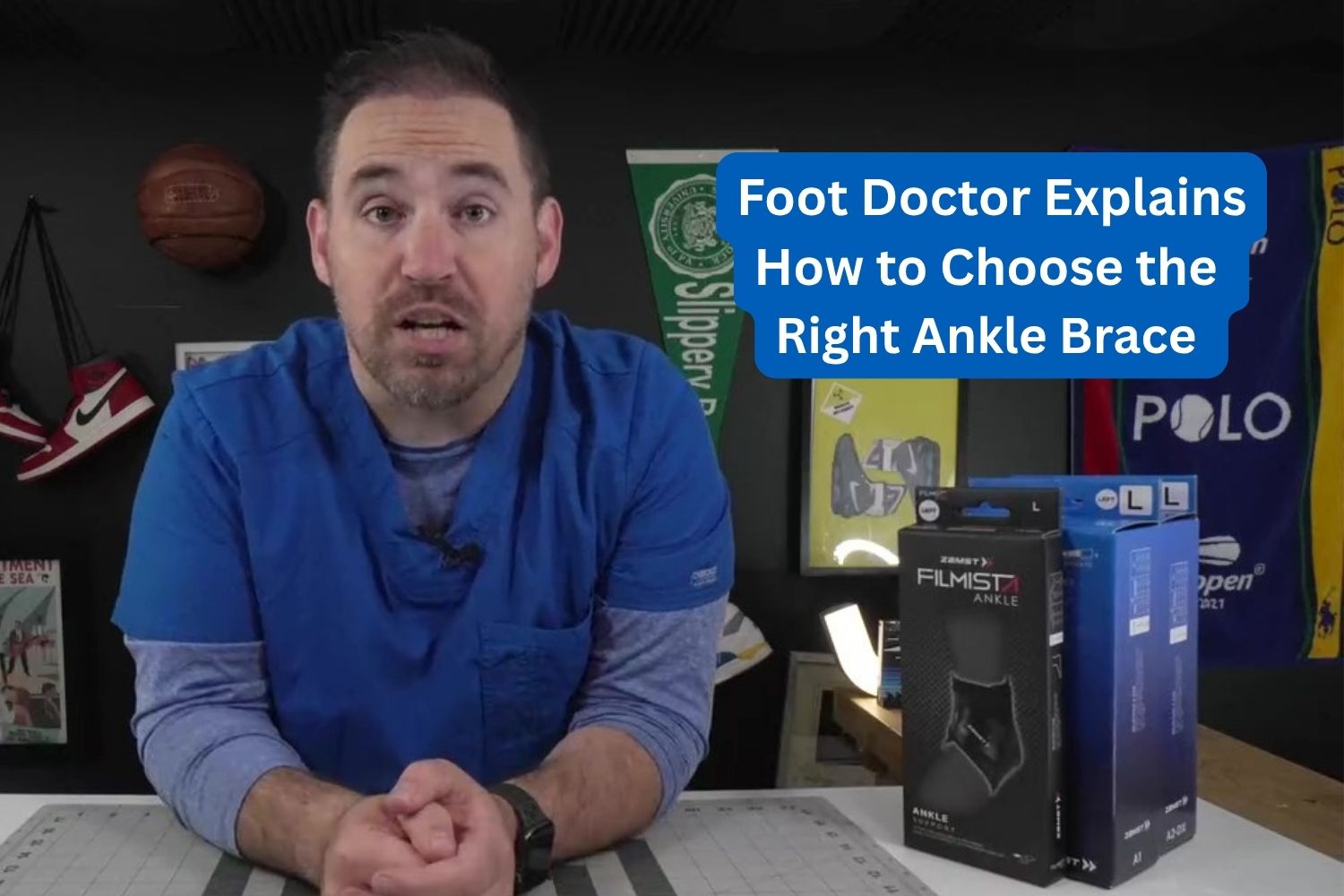
The best ankle brace depends on the type of support you need and the activity you participate in. Whether you're recovering from an ankle sprain, looking for additional stability during sports, or aiming to help prevent injuries, choosing the right ankle brace can make a significant difference.
Different ankle braces are designed for different sports, movement patterns, and levels of support.Athletes participating in basketball, volleyball, soccer, running, and other high-impact sports may benefit from varying levels of ankle support depending on their performance demands.
By selecting the appropriate brace for your needs, you can improve stability, move with greater confidence, and stay active during training and competition.
Explore the ZAMST lineup below to compare ankle braces by support level, activity type, and intended use to find the best option for your sport.
%20(1).avif)
%20(1).avif)
Looking for the best brace for your sport and needs? Use the Brace Finder below to discover your ideal match!

Ankle

ZAMST AT-1 (Achilles tendon support)
Reduce ankle movements stressing the Achilles tendon

ZAMST FA-1 (Ankle support)
Create stability by compressing the unstable ankle

ZAMST A1 Short
Support ankle from inversion at landing and turning

ZAMST A1
Support ankle firmly from inversion at landing and turning

ZAMST A2-DX
Powerful model in the series reducing inversion and eversion movements
Filmista series

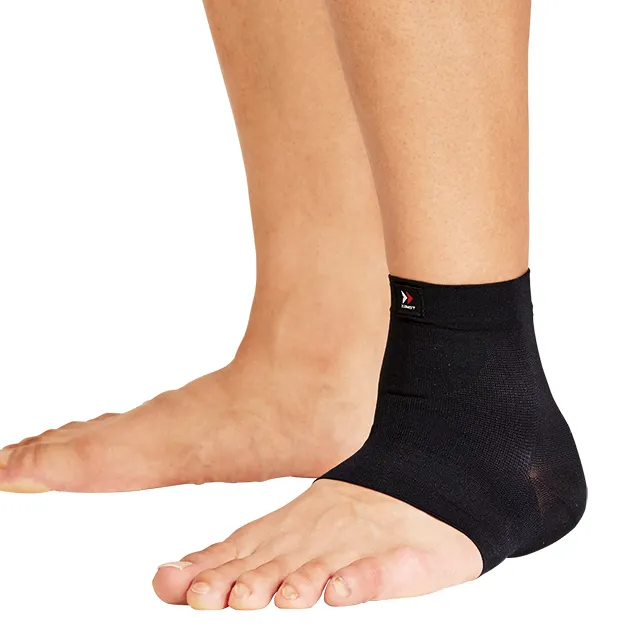
ZAMST FILMISTA ANKLE
Light compression and protection of the ankle
Customer Testimonials


“This wrap has been a great solution for my posterior tibial tendonitis. A compression brace is too much. This gives plenty of support and is adjustable.”

“Great ankle braces! My daughter uses these for volleyball and they are supportive and easy to take on and off.”

“Ya, they are pretty great. I really dont notice them while im playing ball. They aren't completely comfortable initially, they take a bit of adjusting to find the right form. Like it was rubbing my ankle bone the wrong way on day one, but i seemed to have figured them out. I also never really messed around with other ankle braces a whole lot. But Im pretty sure they are the top notch of the gang.”
Frequently Asked Questions Answered by Dr. Evan
Evan Jeffries, PT, DPT, MS
EVAN JEFFRIES is a physical therapist with a Doctorate in Physical Therapy (DPT) from the University of St. Augustine for Health Sciences. He has vast knowledge of the musculoskeletal system and has treated many orthopedic conditions by bringing a proactive approach to healthcare and lifestyle.


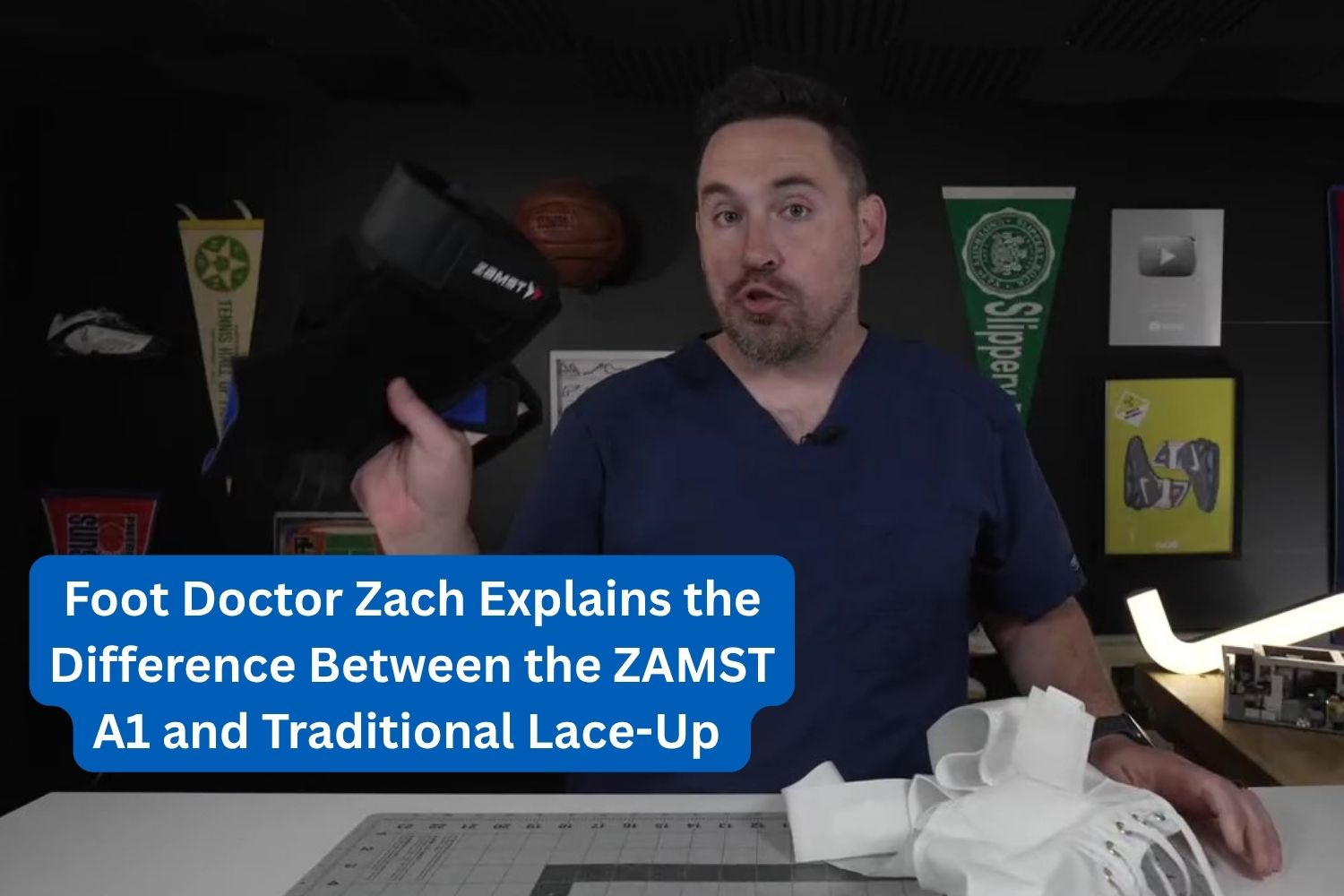
From Dr. Evan Both can be effective, but they provide support in slightly different ways. Lace-up braces typically surround the ankle more completely and provide uniform compression and stability. Strap-based braces often use figure-eight support patterns that help control specific ankle movements associated with sprains. As a physical therapist, I don't believe one design is universally better than the other. The best brace is the one that fits well, feels comfortable, works with your footwear, and provides the level of support you need. Athlete preference, injury history, sport demands, and comfort all play a role when selecting the right brace. The most important part is how does the athlete feel with it on because if they have confidence with a brace they won’t second guess wearing it.
From Dr. Evan For most basketball players, I tend to favor ankle braces. One reason is consistency. A quality brace provides the same level of support every time you put it on, while tape can loosen during activity and varies based on who applies it. Braces are also reusable, which makes them more cost-effective over the course of a season. From a performance standpoint, most athletes adapt quickly to both ankle bracing and tape. Sometimes when we need to completely limit motion in one direction athletic taping might be the solution because of rigidity of tape. However, for most athletes I work with, braces provide a better combination of support, convenience, and long-term value.
From Dr. Evan From first-hand knowledge I have seen the impact of volleyball on ankle sprains. Because of how common jumping and impact landing is in volleyball ankles are largely at risk for sprains. Ankle bracing can be a reasonable preventive strategy, even for athletes who haven't been injured before. As a physical therapist, I've worked with many volleyball athletes who wear braces proactively throughout their season. Research suggests that ankle braces can reduce sprain risk and severity, particularly in sports involving frequent jumping and landing. Making sure you have the right comfort level with an ankle brace is important and should be at the top of the list when choosing an ankle brace to wear.
From Dr. Evan High school basketball players are one of the groups I discuss ankle bracing with most often. They're playing a high-risk sport while still developing physically, and many are competing year-round. The key is they don’t have as many breaks because of the new age travel ball obsession. Therefore, it is important for them to use prevention strategies to reduce their injury risk. My recommendation is always individualized, but I view ankle bracing as a reasonable strategy when combined with proper strength training, balance exercises, and movement preparation. The goal is simple: keep athletes healthy enough to stay on the court.
From Dr. Evan This question needs a two-part answer. For athletes that have an ankle sprain coming into the season I usually recommend them to continue to wear the brace throughout the season to reduce risk for reinjury and while they are continuing to rehab and get stronger. Injuries don't usually happen when it's convenient. They happen unexpectedly during a bad landing, awkward cut, or player collision. That's especially true in sports like basketball and volleyball. For athletes with a no history of ankle sprains, ankle braces might not make sense for them at this time. As a physical therapist, my goal is to keep athletes available and healthy for the entire season, this starts with prevention by using an ankle brace and strengthening the whole kinetic chain to prepare for the toll the season takes on the body.
From Dr. Evan Yes and no. The research supporting ankle bracing is strong, especially in athletes with a history of ankle sprains. As a sports physical therapist, I've seen firsthand how effective ankle braces can be when used appropriately. Braces help limit excessive ankle movement and provide support during the unpredictable situations where sprains often occur. However, I always remind athletes that a brace isn't a guarantee. Sometimes you can’t prevent jumping and landing on a player’s foot and turning your ankle. But if you are wearing an ankle brace at that time it can lessen the severity of the ankle sprain which will reduce your time off the court. We have seen prime examples of this in the NBA with players like Trae Young who have all had ankle sprains that weren’t as severe because of the Zamst ankle brace.
From Dr. Evan It depends. In my practice an athlete must past all the stability, strength, sports specific test without a brace to discontinue the use of one during practice or games. For example, ankle sprains are incredibly common in sports like basketball. There are times that I recommend for some of my athletes to wear ankle braces during practice and games to reduce risk of injury and lessen the severity of a sprain if one were to happen. One thing athletes often forget is that they typically spend far more time practicing than competing. In fact, many injuries happen during practice simply because of the increased exposure. If you're returning from injury or using a brace for prevention, consistency matters. Wearing it only during games may leave you vulnerable during most of your training.
Related Articles
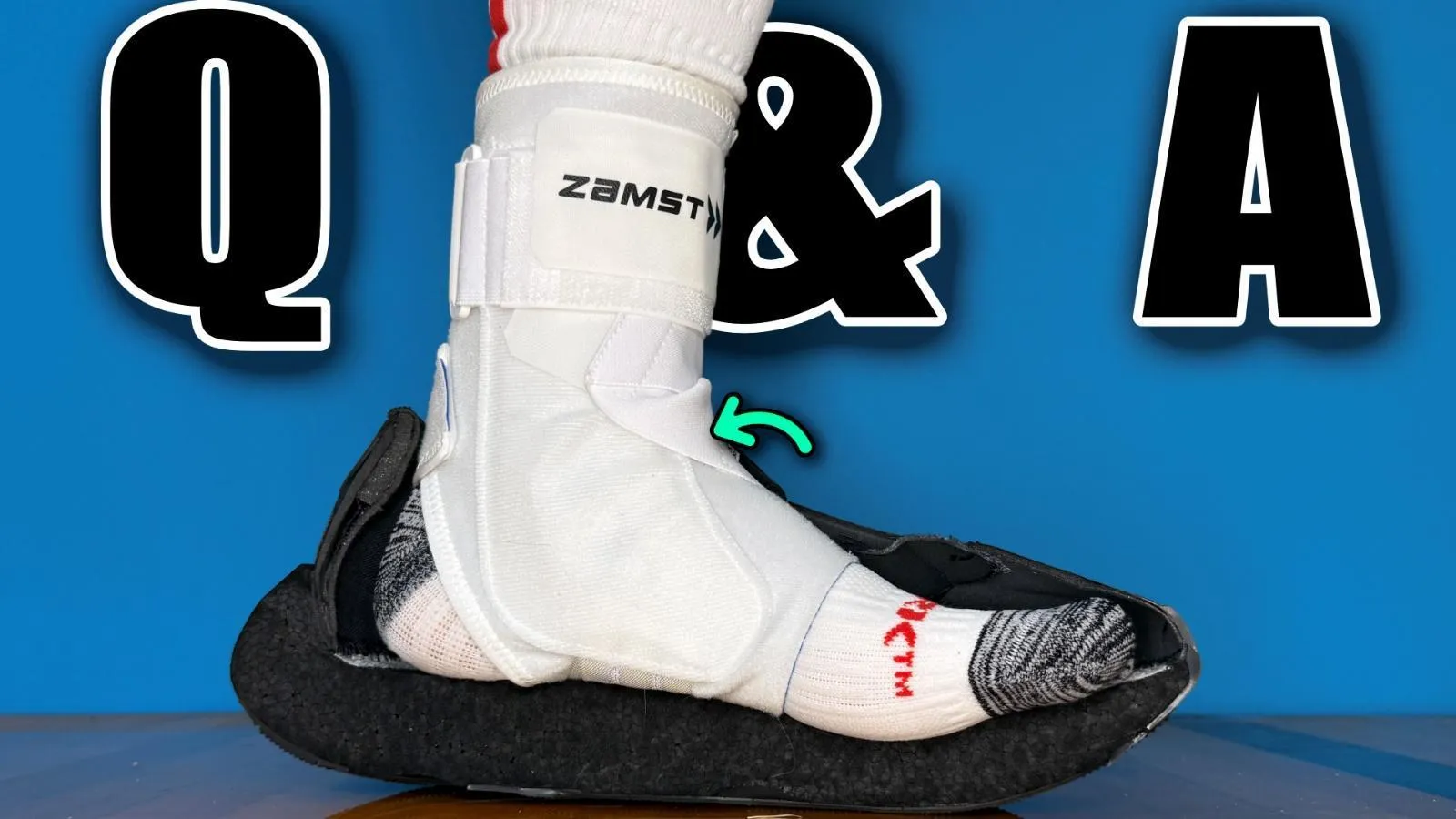
Expert-Reviewed: Confused About Which Brace to Choose? A Complete Guide to Ankle and Knee Braces

Beyond Compromise: The Story Behind ZAMST's TRIFORCE TECHNOLOGY
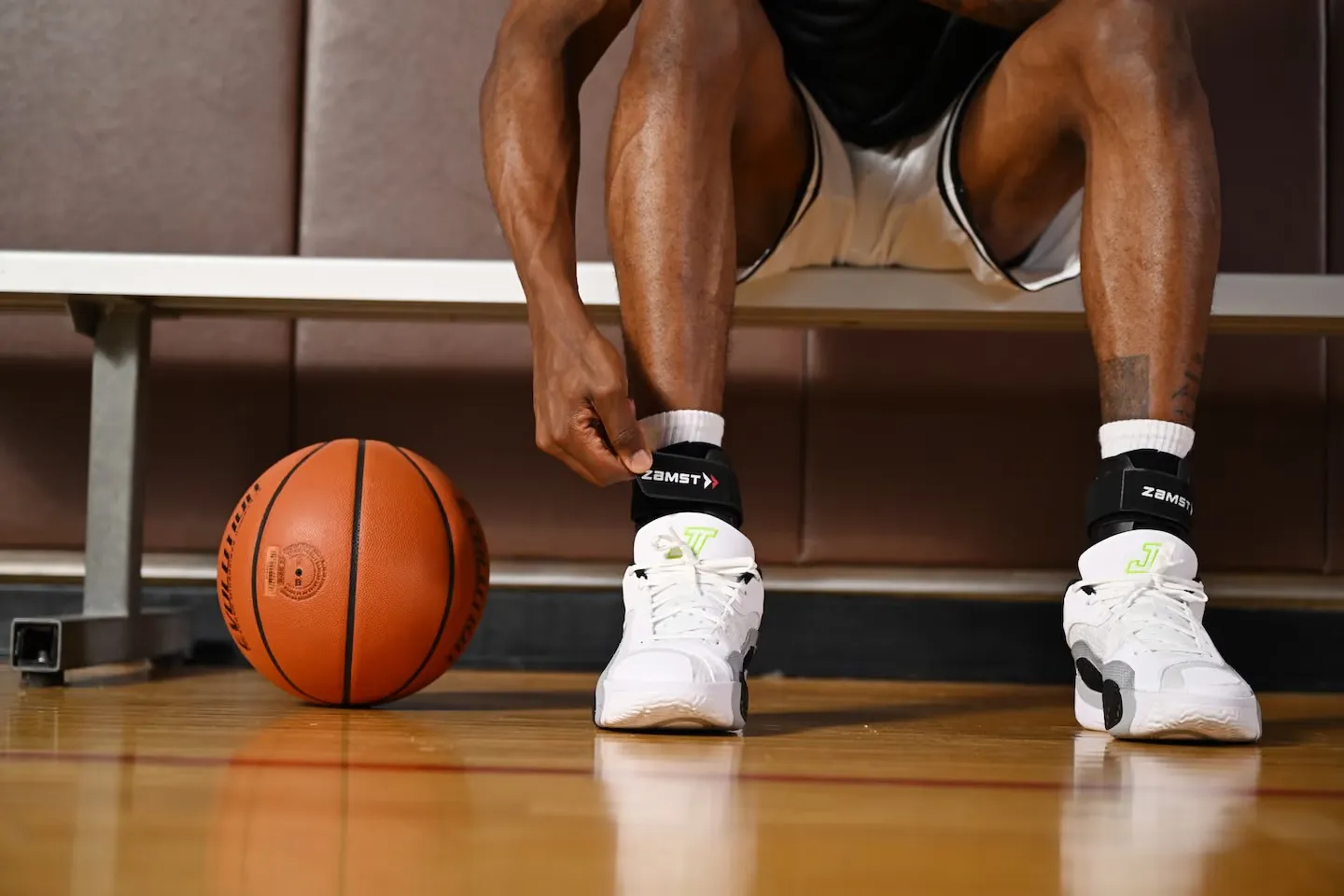
Why Athletes Around the World Continue to Choose ZAMST: What TRIFORCE TECHNOLOGY Has Proven
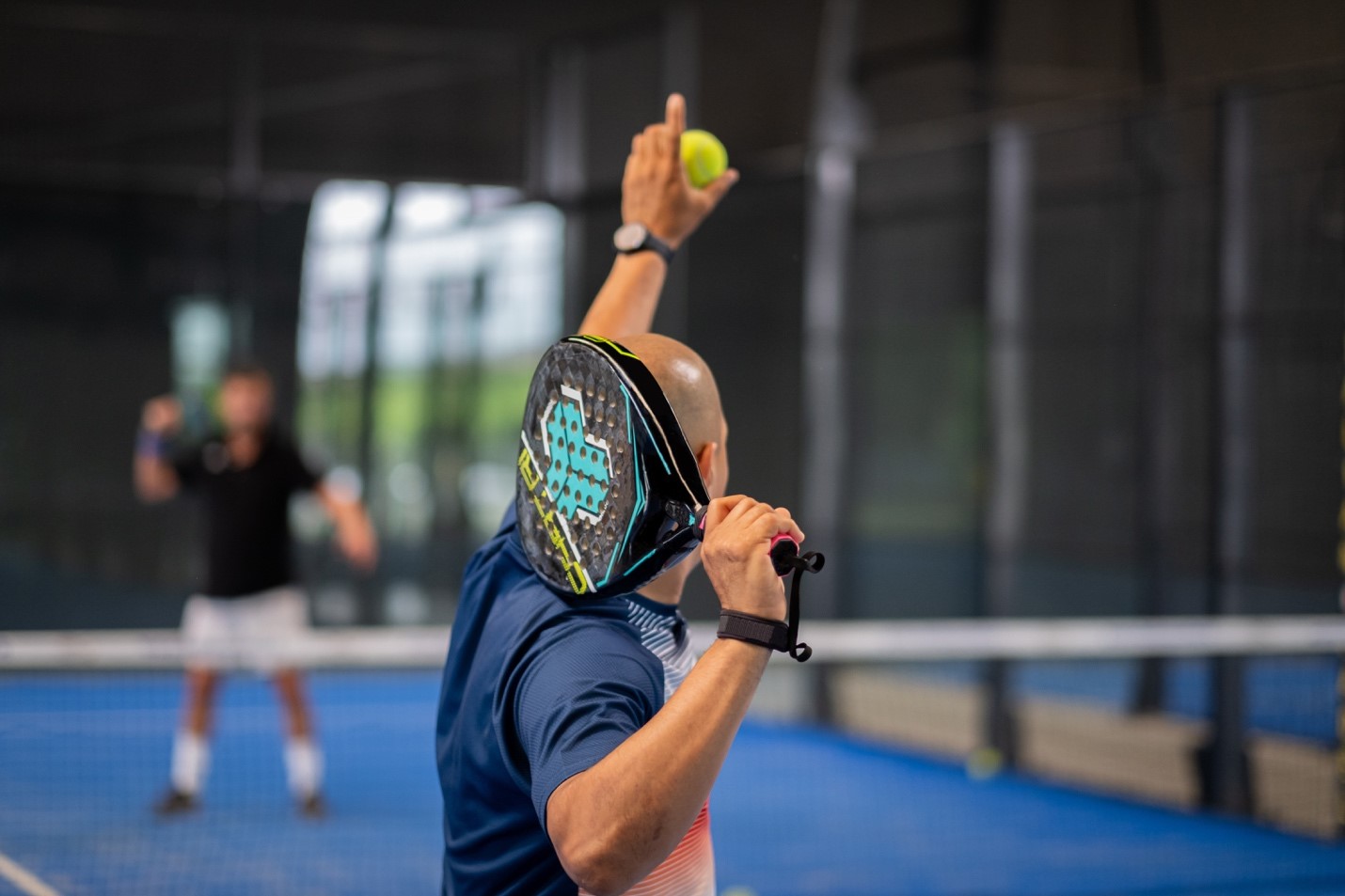
Blog:Staying Injury-Free in Racket Sports After 40: What You Need to Know