How to Choose the Right Knee Brace
The best knee brace depends on the area you want to support and how you plan to use it. Start by identifying where you need support, whether it is the entire knee, around the kneecap, the outside of the knee, or the area above or below the knee. Then consider the intensity of your activity and the severity of your symptoms.
Different knee braces are designed for different support needs. Some provide light compression and comfort during everyday activities, while others offer enhanced stability for sports involving jumping, cutting, and rapid changes of direction.
Athletes participating in basketball, volleyball, running, soccer, and other high-impact sports may benefit from different levels of support depending on their movement demands.By choosing the appropriate level of support for your needs, you can find the knee brace that is right for you.
Explore the ZAMST lineup below to compare knee braces by support level, activity type, and target area to help you find the best option for training, competition, and everyday movement.
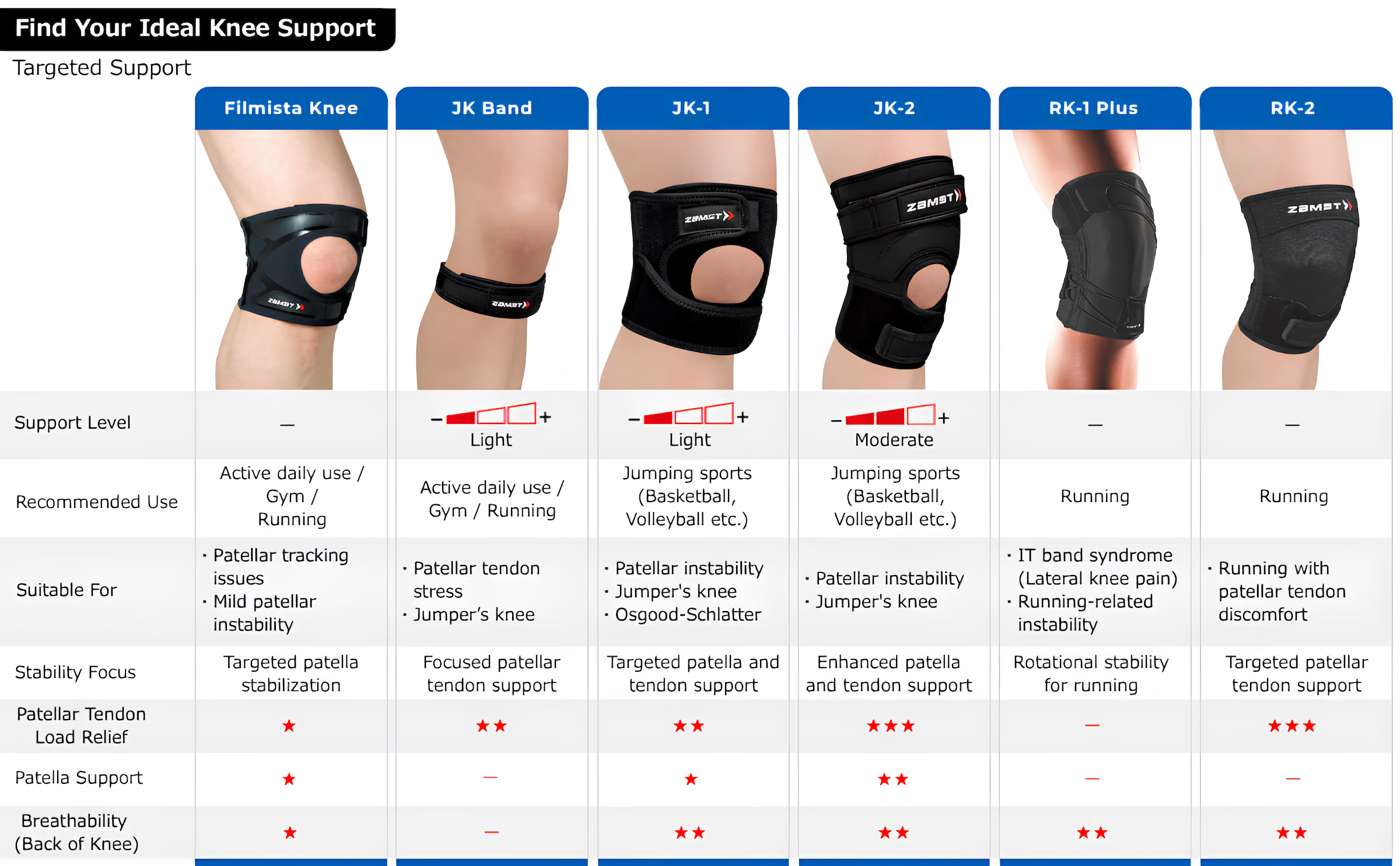
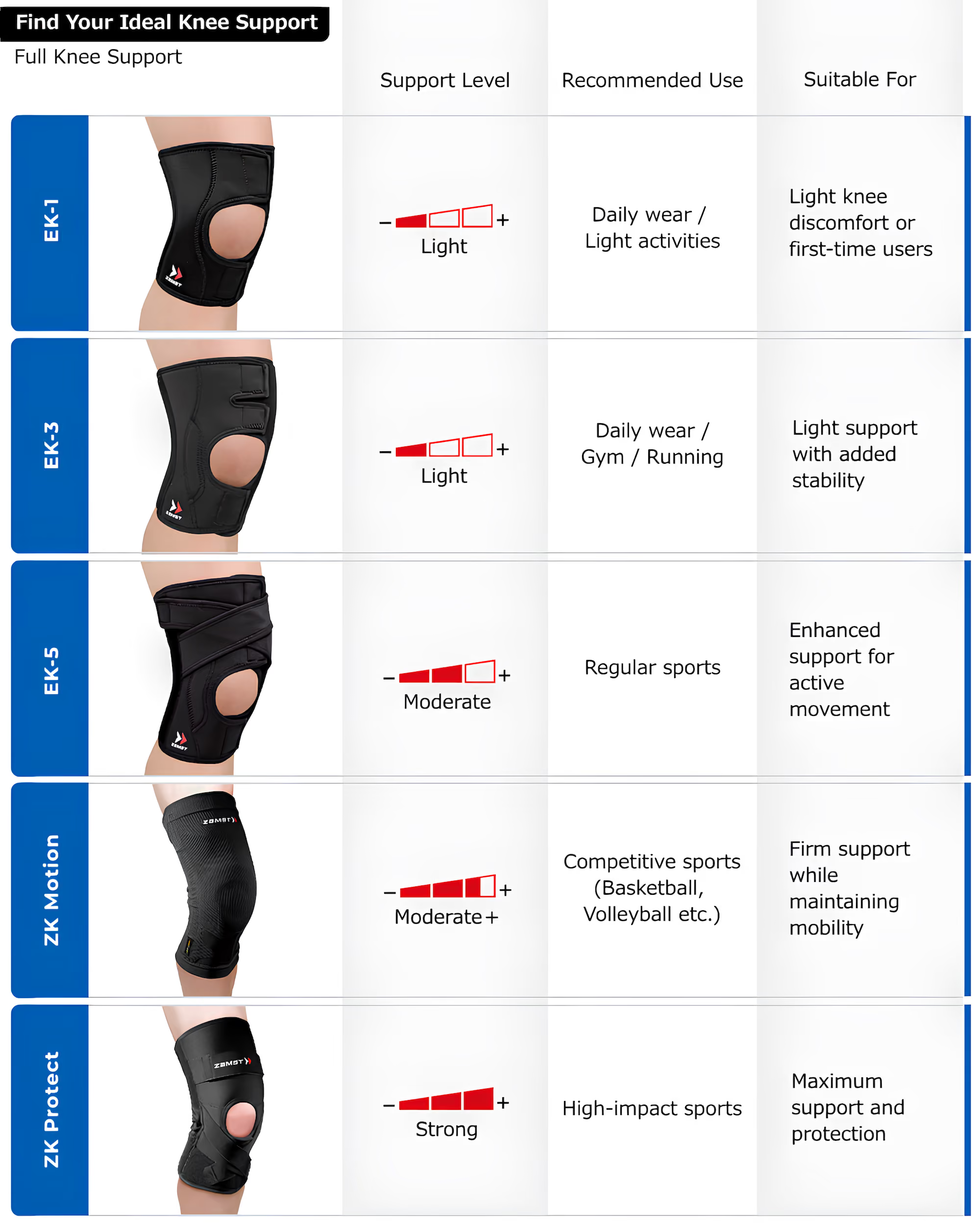
Looking for the best brace for your sport and needs? Use the Brace Finder below to discover your ideal match!

EK series

ZAMST EK-1
Light support for the entire knee

ZAMST EK-3
Support the entire knee for horizontal balance

ZAMST EK-5
Support the entire knee firmly for horizontal balance
ZK series

ZAMST ZK-MOTION
Comfortable knitted knee brace providing moderate support with excellent mobility

ZAMST ZK-PROTECT
Strongest support for inhibiting lateral and anterior movement
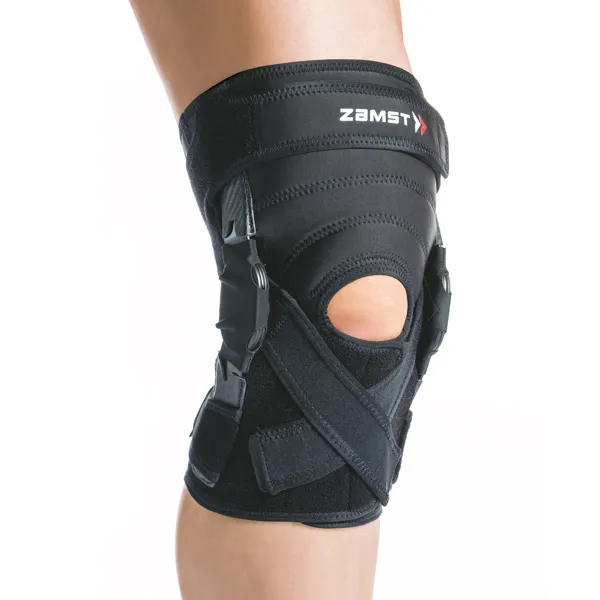
ZAMST ZK-X
For inhibiting lateral and anterior movement
JK series

ZAMST JK Band
Reduce the strain on below the kneecap

ZAMST JK-1
Reduce the strain on below the knee in a period of growth

ZAMST JK-2
Reduce the strain on below the knee for jumpers
RK series

ZAMST RK-1 Plus
Reduce the strain on the outside of the knee for runners

ZAMST RK-2
Reduce the strain on below the knee for runners
Filmista series

ZAMST FILMISTA KNEE
Light compression and protection of the knee
Bodymate series

ZAMST Bodymate Knee
For light compression and protection of the knee
Customer Testimonials About Zamst Knee Braces


“This smaller brace is perfect for my walks and runs. I may need something more substantial for running, if I'm being honest, but this things feels great while it's in. I often forget I'm wearing it. Definitely recommend.”

“This is my second pair and, like the first, they are very good knee braces. We do long distance walking and they provide great support and comfort. I could not do what I do without them.”

“Have had a couple knee surgeries and was looking for something to wear during beer league softball. Works great, not overly stiff but has given me more stability.”
Frequently Asked Questions Answered by Dr. Evan
Evan Jeffries, PT, DPT, MS
EVAN JEFFRIES is a physical therapist with a Doctorate in Physical Therapy (DPT) from the University of St. Augustine for Health Sciences. He has vast knowledge of the musculoskeletal system and has treated many orthopedic conditions by bringing a proactive approach to healthcare and lifestyle.


Zamst products are designed for sports activities, so you may find that it is not as difficult to move as you might worry. In practice, you should be able to move comfortably.
Zamst Knee brace is designed to be worn directly on bare skin and is not recommended to be worn over tights. If worn over tights, depending on the material of the tights, the brace may slip off and the desired effect may not be achieved, or the increased thickness of the back of the knee may cause discomfort or pain when bending the knee.
From Dr. Evan For most healthy runners, I don't routinely recommend a knee brace solely for prevention. Running injuries are usually influenced by factors such as training volume, recovery, strength, mobility, and biomechanics rather than a lack of external support. If a runner has a history of knee injuries, instability, or specific structural concerns, a brace may play a role. The times that I recommend a knee brace for runners is when they are dealing with a capacity and overtraining issue such as runner’s knee. The strategy of the ankle brace is to reduce the forces to the knee and lessen the impact. But in general, I focus more on helping runners build a resilient body that can tolerate the demands of training.
From Dr. Evan It depends. In my practice an athlete must past all the stability, strength, sports specific test without a brace to discontinue the use of one during practice or games. For example, ankle sprains are incredibly common in sports like basketball. There are times that I recommend for some of my athletes to wear ankle braces during practice and games to reduce risk of injury and lessen the severity of a sprain if one were to happen. One thing athletes often forget is that they typically spend far more time practicing than competing. In fact, many injuries happen during practice simply because of the increased exposure. If you're returning from injury or using a brace for prevention, consistency matters. Wearing it only during games may leave you vulnerable during most of your training.
From Dr. Evan The athletes I most commonly recommend braces for are those with a history of injury. One of the biggest predictors of injuries are past injury. If an athlete can reduce their risk of a severe injury I am all for brace use when appropriate. I also recommend braces for athletes returning to sport after injury and for athletes who consistently feel unstable during activity. Sports like basketball, volleyball, soccer, and football place a lot of stress on the joints because of the jumping, cutting, and rapid changes of direction involved. That said, I don't believe braces replace proper rehabilitation. My philosophy is to combine smart bracing with strength training stability, performance and movement training to give athletes the best chance to stay healthy.
From Dr. Evan Not necessarily. One of the biggest mistakes I see is athletes assuming they're fully recovered just because the pain has gone away. Pain is only one piece of the puzzle. Before I recommend discontinuing a brace, I want to see good strength, balance, confidence, and sport-specific movement. Can you jump, cut, sprint, and land without hesitation? That's what matters. Many athletes feel fine before their body is truly ready for the demands of competition. In most cases, I recommend gradually reducing brace use rather than stopping all at once. The goal is to make sure you're not only pain-free but also physically prepared to handle your sport safely.
From Dr. Evan As a sports physical therapist, I don't believe everyone needs a brace. But there are situations where a brace can be a smart tool. If you had just had an acute injury such as an ankle sprain or knee sprain a brace is a great tool during the protection phase to reduce the risk of further injury and provide stability and comfort. In my clinic, I often see athletes wait until they've been injured multiple times before thinking about prevention. A brace can provide an extra layer of protection during high-risk activities while you're continuing to build strength, balance, and movement control. The goal isn't to rely on the brace—it's to use it strategically to help keep you healthy and performing at your best.
Related Articles
Expert-Reviewed: Confused About Which Brace to Choose? A Complete Guide to Ankle and Knee Braces
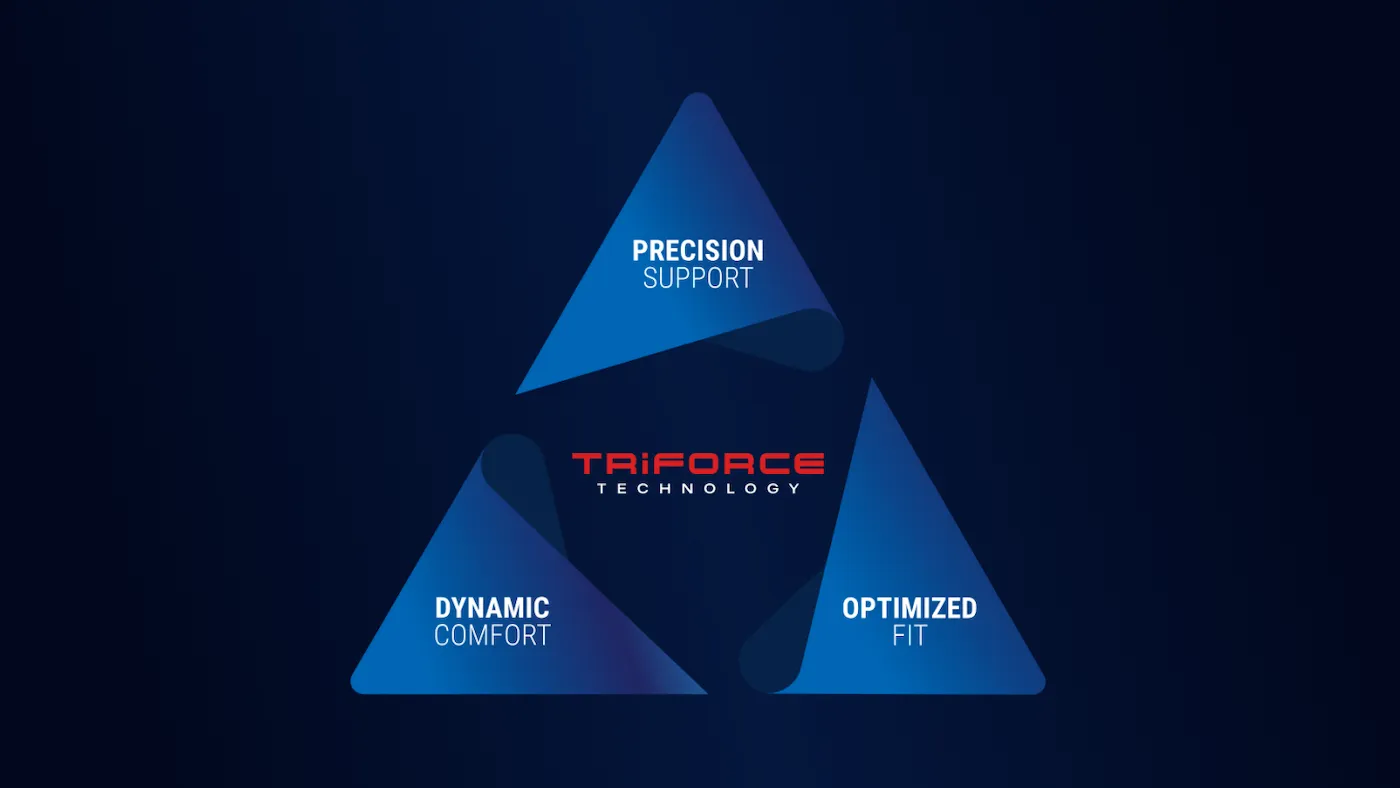
Beyond Compromise: The Story Behind ZAMST's TRIFORCE TECHNOLOGY
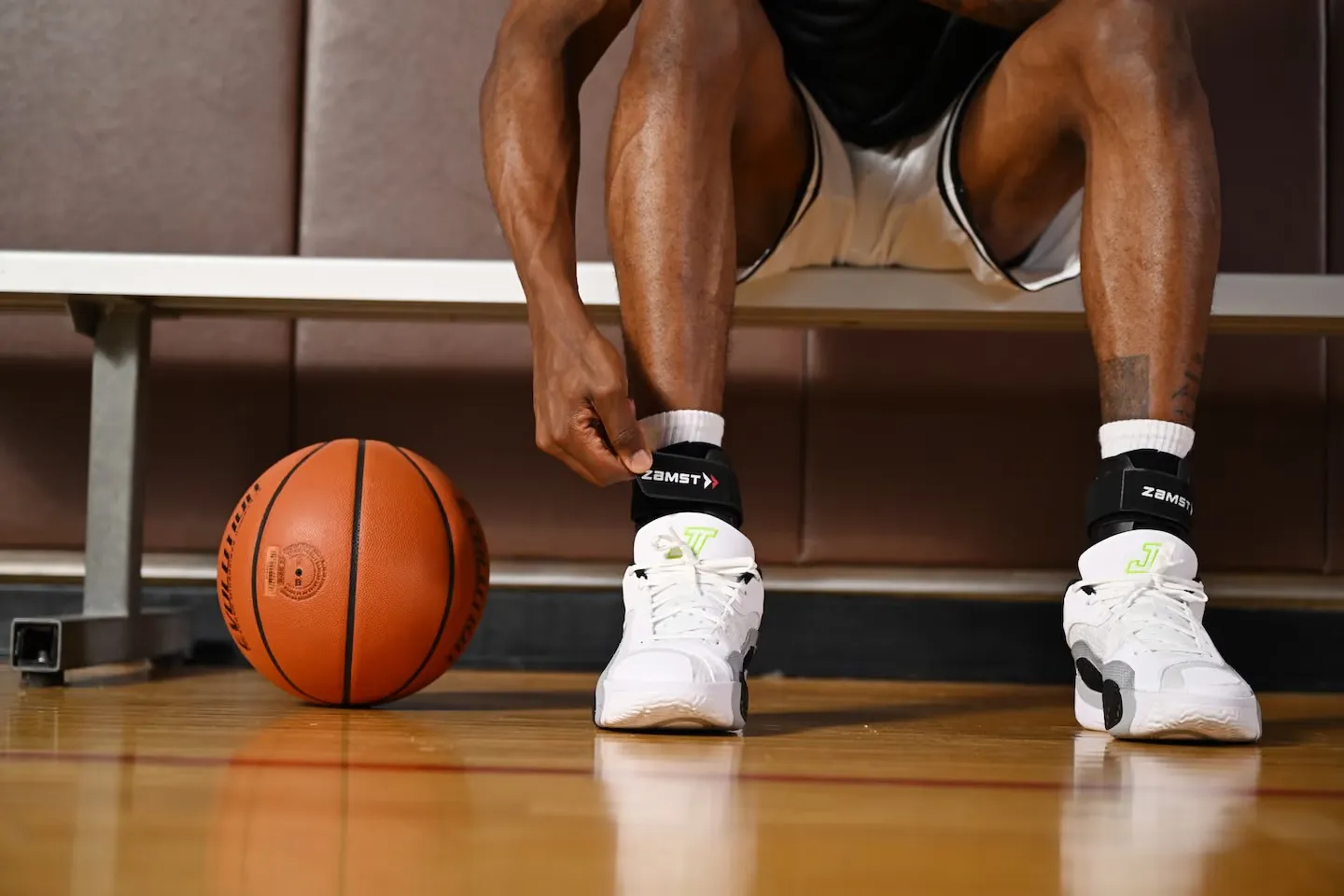
Why Athletes Around the World Continue to Choose ZAMST: What TRIFORCE TECHNOLOGY Has Proven
Blog: Knee Brace 101|How to Choose the Best Knee Braces for Padel
Blog:Staying Injury-Free in Racket Sports After 40: What You Need to Know