Blog:Staying Injury-Free in Racket Sports After 40: What You Need to Know
Disclaimer : This article was written byDr. Evan Jeffries, PT, DPT. This content is provided for general informationalpurposes only and does not constitute medical advice, diagnosis, or treatment.The information does not guarantee specific results or effectiveness for anyparticular symptoms or conditions. If you are experiencing persistent symptomsor have concerns about your health, please consult a qualified healthcareprofessional.
Why Injury Prevention Matters After 40
Racket sports like tennis, badminton, and padel are fantastic ways to stay active and social, especially as you hit 40 and beyond. However, as we age, injury prevention becomes crucial. In tennis, two-thirds of the injuries are due to overuse and one third is due to a traumatic injury or acute injury.1 Common issues like knee pain, ankle sprains, and elbow pain can creep up, threatening our performance and enjoyment.
Protecting Your Knees: Support, Stability, and Prevention
Why Knee Injuries Occur
Knee pain is a common issue among racket sports players, particularly due to the lateral movements and sudden stops these sports require. After 40, we can encounter less mobility, decreased strength and degeneration in joints.
Learn more about Knee injuries, “Blog: Common Knee Injury Risks When Playing Sports After Age 40”
The Role of Knee Support
One of the best ways to protect your knees is with proper knee support. Knee braces, knee sleeves, and knee compression products provide stability by reducing the strain on the knee joint during high-impact movements. By wearing a knee brace, it can offer mild to maximum support to reduce risk of injuries or prior existing injury.
Recommended Zamst Knee Brace Options
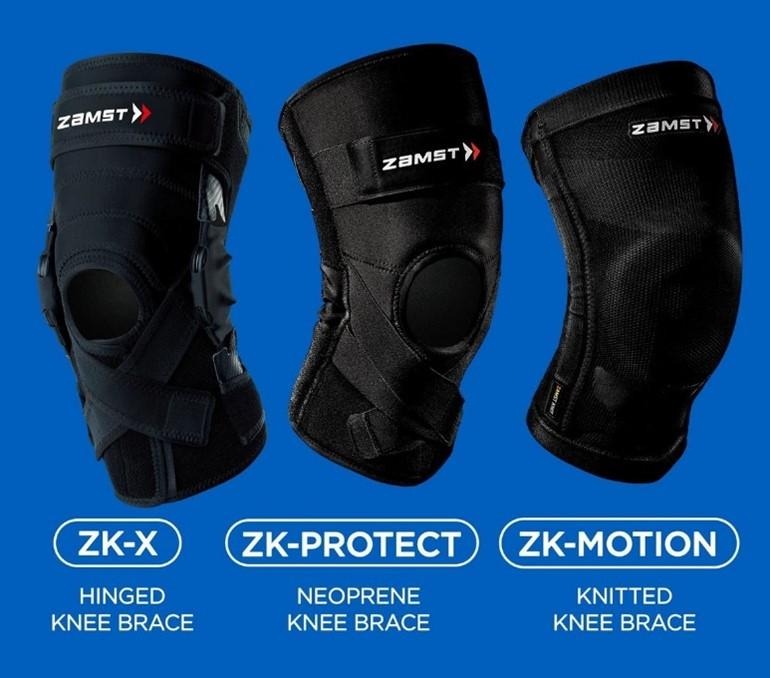
Zamst offers multiple styles for knee braces such as the Zamst ZK-Protect which offers strong support for ligament sprains. Zamst ZK-Motion offers moderate support with light weight feeling. Zamst ZK-X is a hinged brace with maximum support which helps with sports that have vigorous movement.
Tip: Always warm up properly before matches or practice sessions. Light jogging, dynamic stretching, and resisted activation of your muscles in a sport related movement can help get your knees ready for high-impact movement.
Ankle Protection: Why Stability Matters
The Risk of Ankle Sprains
Ankle sprains are another common injury in racket sports due to the sudden and quick movements that you have to make by reacting to what the other player is doing. After 40, we can lose some of our mobility and lose our proprioception which can cause the ankle to not be ready for dynamic positions.
Learn more about Ankle Sprain “Types of Injuries: Ankle Sprain ”
Benefits of Ankle Braces and Stabilizers
Using an ankle brace or ankle stabilizer can offer extra protection. These devices are especially useful during play as they limit excessive motion in the ankle while allowing enough mobility for rapid directional changes.
Recommended Zamst Ankle Brace Options
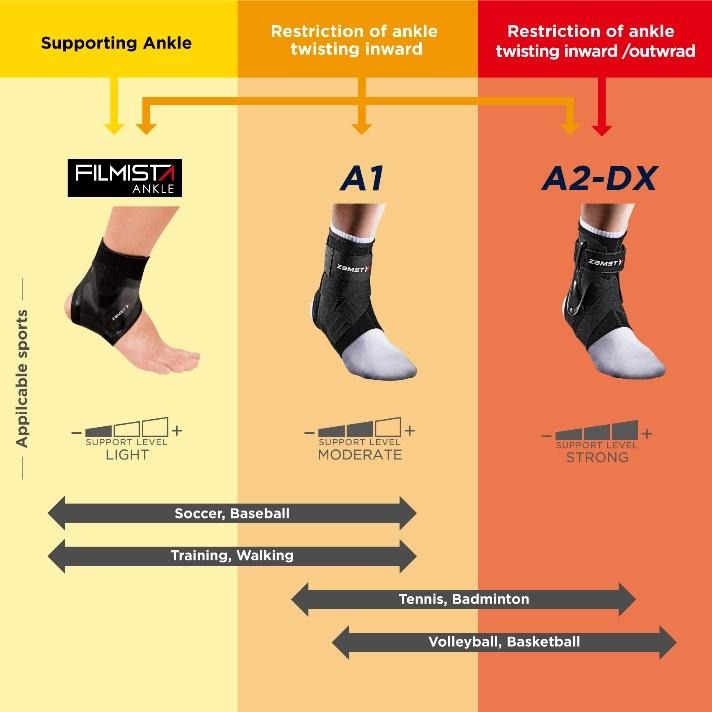
Zamst offers different level of support ankle braces from mild to strong support. The Filmista Ankle is the lightest support and feels similar to tape or sleeve to the Zamst A1 ankle brace that has moderate support and then lastly the Zamst A2-DX which offers the strongest support.
Tip: Wearing an ankle brace can help reduce ankle sprains and severity of a sprain if the ankle turns. However, combining strengthening exercises, mobility and balance training can reduce injury risk
Managing Elbow Pain in Racket Sports
Understanding Tennis Elbow
Lateral elbow pain, commonly known as “tennis elbow” or ‘lateral epicondylitis” (even in badminton and padel), is typically a result of overuse of the forearm muscles.
Learn more about Tennis Elbow, “Types of Injuries : PICKLEBALL/TENNIS ELBOW”
How Elbow Supports Help
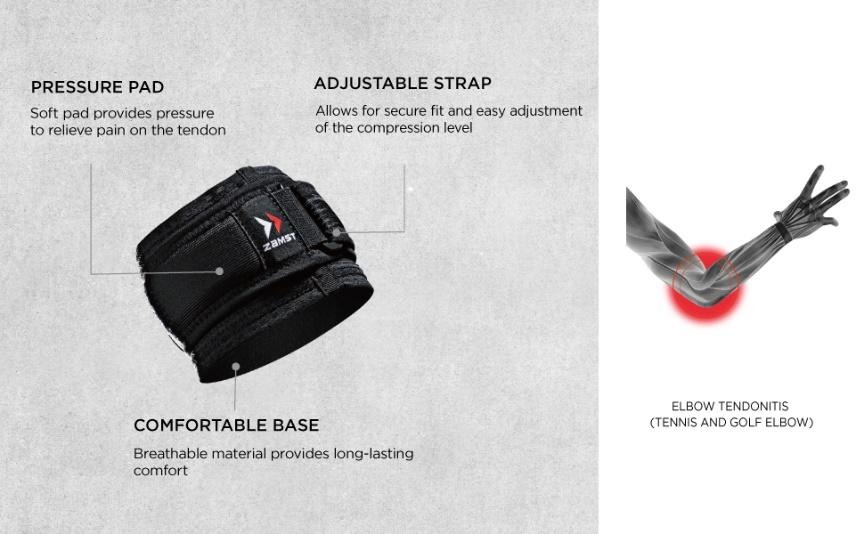
Using elbow support or an elbow brace can help to alleviate the pain and strain on the tendons, especially during play. The goal of an elbow brace is to disperse the force of the tendon of the forearm to reduce pain. Zamst offers an Zamst Elbow Band that can be worn during play or when doing activities that irritate the tendon.
Tip: Improving the mobility of the forearm and shoulder can help reduce load and force to the tendon which can alleviate pain.
Preventing Wrist Sprains: Supports and Strengthening Exercises
Why Wrist Support Is Important
Wrist sprains can be particularly troublesome for racket sport players, especially when reaching for a difficult shot or hitting with power. Because of the constant wrist motion with the racket the wrist can take a lot of stress to the joint.
Learn about Wrist Sprain “Types of Injuries : WRIST SPRAIN”
Wrist Support Options
A wrist brace or wrist support provides additional stability to the joint, especially during intense play. Wrist braces help prevent excessive motion that can lead to sprains or repetitive strain injuries. Zamst offers a Zamst Wrist Band and Filmista Wrist that provides moderate support to the wrist to reduce the load and stress.
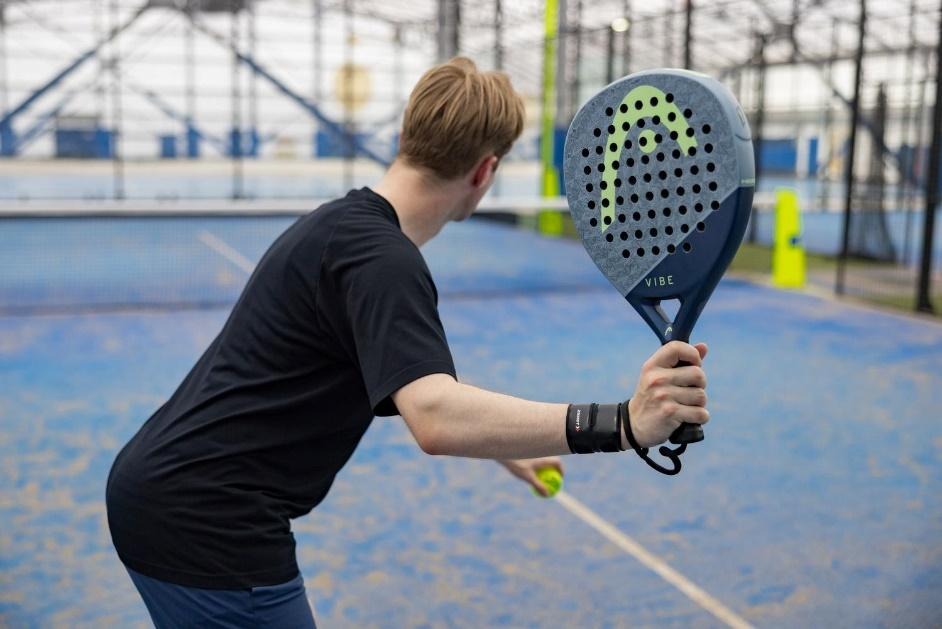
Tip: Working on grip strength can be a key to provide adequate wrist endurance and ability to hold the racket throughout play.
Final Thoughts
Racket sports can remain a lifelong passion with the right injury prevention strategies. By incorporating knee braces, ankle braces, elbow bands, wrist supports, and strengthening exercises, you can stay active and competitive beyond age 40. Remember, consistency is key: practicing these preventive measures regularly will go a long way in keeping you healthy and injury-free on the court.
ABOUT THE AUTHOR
EVAN JEFFRIES is a physical therapist with a Doctorate in Physical Therapy (DPT) from the University of St. Augustine for Health Sciences. He is also the owner of Evolving Motion Physical Therapy and has vast knowledge of the musculoskeletal system and has treated many orthopedic conditions by bringing a proactive approach to healthcare and lifestyle. Recently he has also been active on social media as an injury analyst mainly in related to injuries NBA players have sustained.
- Hassan, I. H. I., & Elgammal, M. A. (2018). Common injuries in racket sports: A mini review. Knee, 19(11.5), 24.