Blog: Why Your Knees Are at Risk While Skiing and Snowboarding and How to Protect Them
Disclaimer : This article was written by Dr. Evan Jeffries, PT, DPT.This content is provided for general informational purposes only and does notconstitute medical advice, diagnosis, or treatment. The information does notguarantee specific results or effectiveness for any particular symptoms orconditions. If you are experiencing persistent symptoms or have concerns aboutyour health, please consult a qualified healthcare professional.
Why Your Knees Are at Risk While Skiing and Snowboarding and How to Protect Them
Skiing and snowboarding are winter sports that combine speed, balance, and skill.
However, these activities are not without their risks, particularly to one of the most complex and vulnerable joints in your body—the knee. The knee transmits twice the amount of force on the joint compared to the hip. Whether you’re carving down a groomed run or navigating unpredictable powder, the knee joint often bears the brunt of high forces, quick turns, and sudden stops. In this blog we will dive into what makes it the most injured area in skiing and what you can do to protect the joints.
Why Are Knees at Risk on the Slopes?
Given its complexity and being the most weight bearing joint in the body, the knee is susceptible to injuries, particularly under the dynamic stresses of skiing and snowboarding. The following risk factors make the knees particularly vulnerable during winter sports:
Twisting and Turning Movements
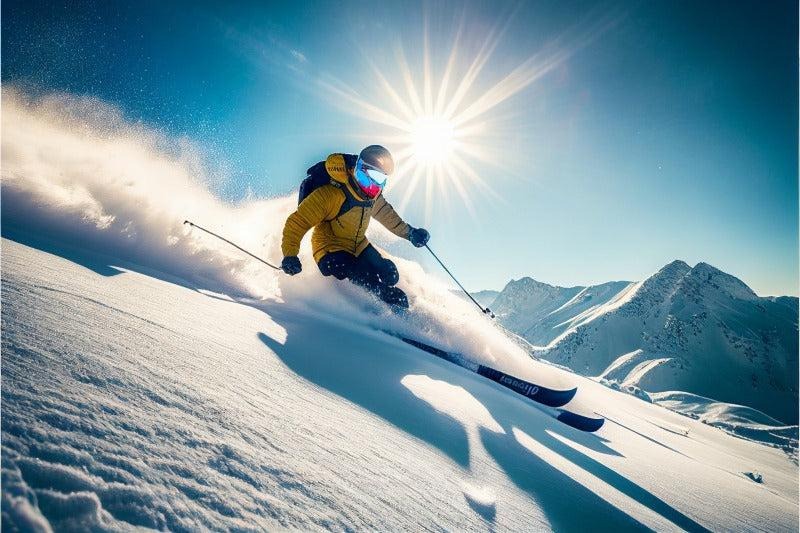
Skiing and snowboarding involve frequent and rapid direction changes, it also involves how well you can decelerate momentum. When your upper body moves one way, and your lower body doesn’t follow, it can put undue stress onto the knee ligaments, particularly the ACL.
Falls and Collisions
Falls are inevitable on the slopes whether you are a beginner or advance skier. This can lead to
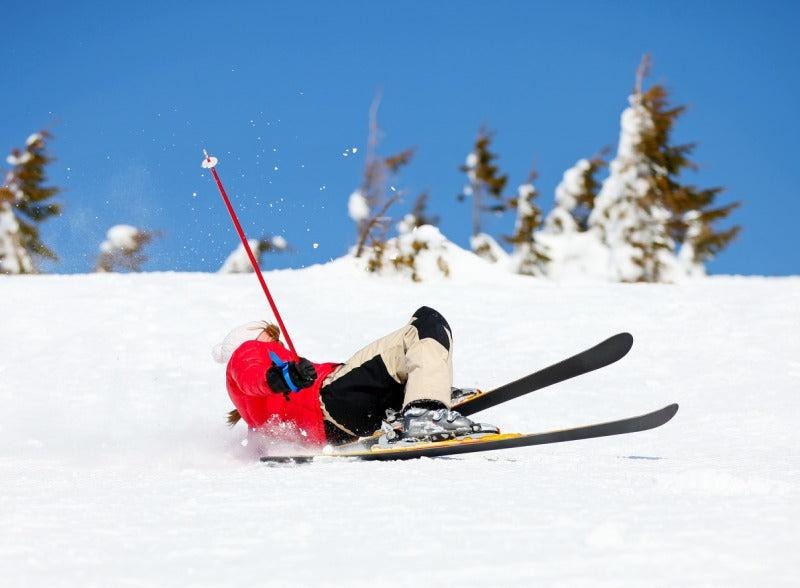
major traumatic acute injuries such as a lower leg fracture.
High Forces on Steep Slopes
Steeper terrain increases the forces on your knees, especially when you’re braking or navigating moguls. This is the body’s ability to decelerate but when the force because too much something has to give.
Common Knee Injuries in Winter Sports like Skiing and Snowboarding
ACL and Other Ligament Injuries
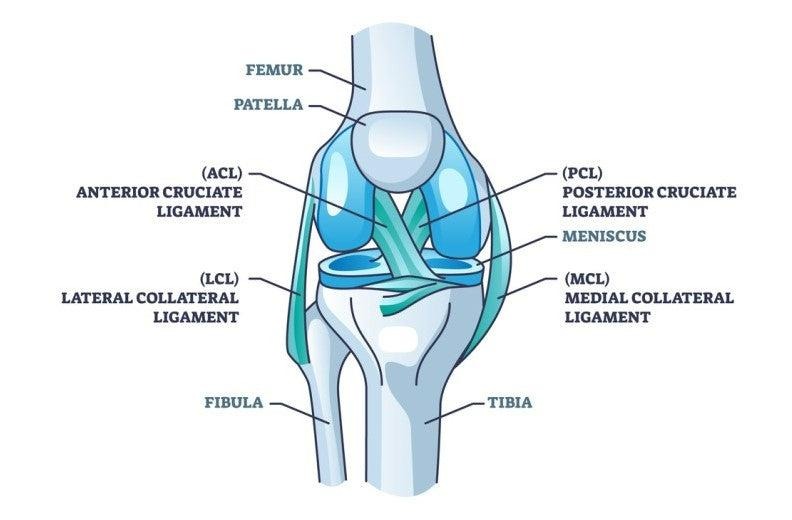
• Ligament injuries: Among the most common skiing injuries, often caused by a sudden twist or pivot. The ACL (Anterior Cruciate Ligament) is the most common knee ligament injury in skiing and there is a female dominance in ACL tears1.
• Meniscus Tears: Can result from twisting the knee.
• Lower leg fractures: This can result from the force and trauma of a fall.
Learn more about ACL injury, “Types of Injuries: ACL”
What You Can Do to Protect Your Knees
The good news is that you can take steps to reduce your risk of knee injuries and pain while skiing or snowboarding. Here are some practical strategies:
Strengthen the muscles surrounding the knee
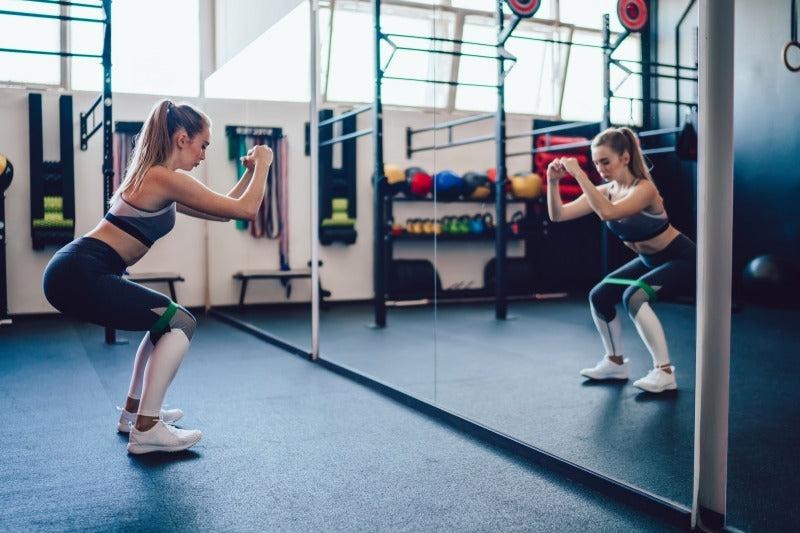
Strong quadriceps, hamstrings, and glutes provide support and stability for the knee joint. Incorporate exercises like squats, lunges, and leg presses into your workout routine. Adding in deceleration exercises to work the quads eccentrically can help with downhill skiing.
Wear a Knee Brace or Stabilizer
A knee brace or knee stabilizer can provide additional support during high-impact activities. These devices help reduce strain on ligaments and improve alignment, making them especially useful for those with a history of knee injuries.
Recommended Zamst Knee Braces for Skiing and Snowboarding
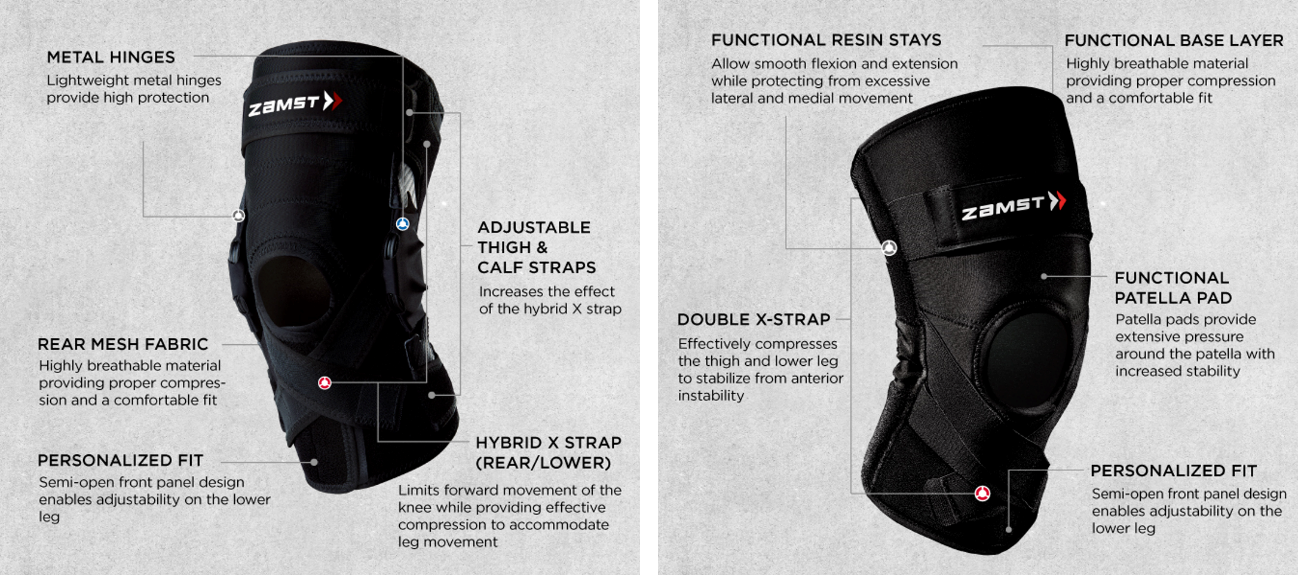
Zamst offers two great moderate to strong supportive braces called the Zamst ZK-X andZamst ZK-Protect.
Use Knee Compression Gear
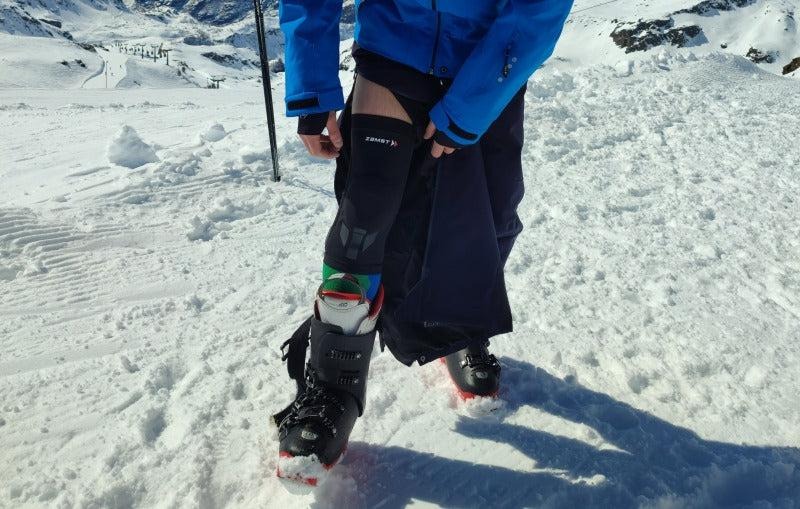
Knee compression can provide mild support. They’re an excellent option for preventing soreness and minor strains. Zamst offers a brace called the Zamst ZK-Motion that offers stability, mobility and comfortability at the same time.
Final Thoughts
Your knees play a critical role in keeping you active and mobile, making it essential to prioritize their care—especially on the slopes. By understanding the risks and taking preventive measures like strengthening exercises, proper technique, and using tools like knee braces or knee compression gear, you can enjoy your winter adventures with confidence.
ABOUT THE AUTHOR
EVAN JEFFRIES is a physical therapist with a Doctorate in Physical Therapy (DPT) from the University of St. Augustine for Health Sciences. He is also the owner of Evolving Motion Physical Therapy and has vast knowledge of the musculoskeletal system and has treated many orthopedic conditions by bringing a proactive approach to healthcare and lifestyle. Recently he has also been active on social media as an injury analyst mainly in related to injuries NBA players have sustained.
1. 1. Stenroos, A.J., Handolin, L.E. Alpine skiing injuries in Finland – a two-year retrospective study based on a questionnaire among Ski racers. BMC Sports Sci Med Rehabil 6, 9 (2014). https://doi.org/10.1186/2052-1847-6-9