Expert-Reviewed: Confused About Which Brace to Choose? A Complete Guide to Ankle and Knee Braces
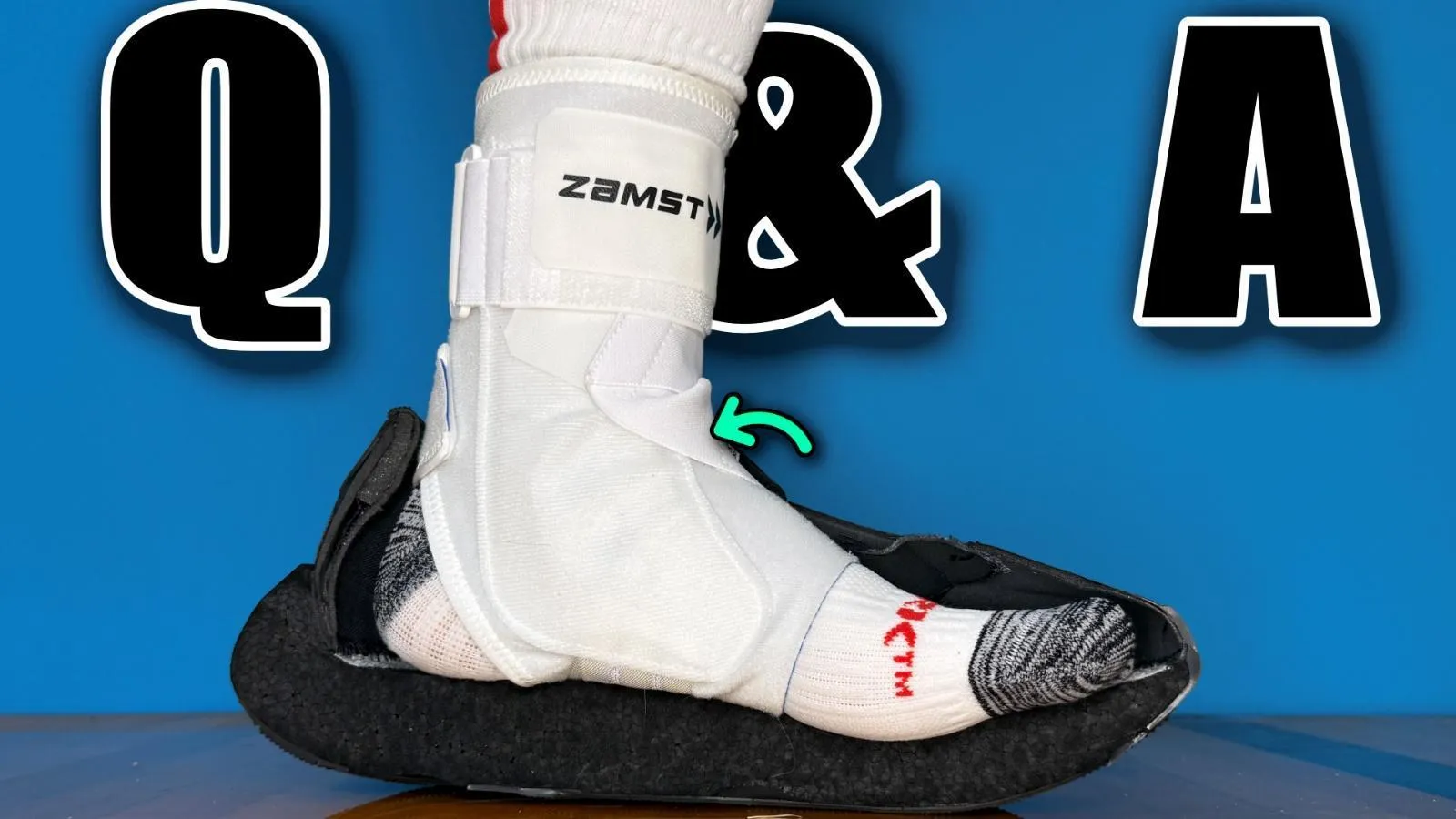
In recent years, more people have turned to braces as part of injury prevention, recovery, and rehabilitation for ankle and knee issues related to sports and everyday activities. However, many athletes and active individuals still wonder when they should wear a brace and which product is best suited to their condition.
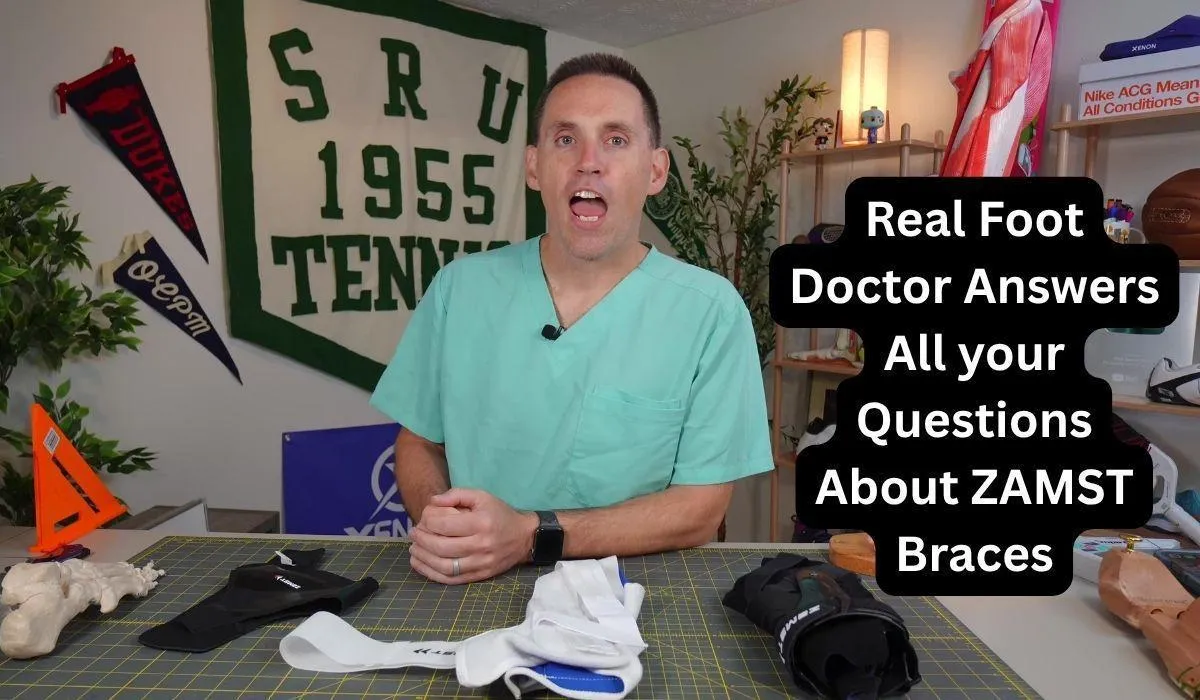
In this article, Zach, the podiatrist behind the popular YouTube channel Foot Doctor Zach, answers some of the most common questions he receives from patients and viewers about ankle and knee braces. Drawing from his expertise, we’ll cover the fundamentals of bracing, how to choose the right level of support, and recommended Zamst products for different situations.
Whether you're wondering what a brace actually does or trying to determine which type is right for your injury, this guide will help you make a more informed decision.
Ankle Brace Basics: Questions and Answers
What Is an Ankle Brace and When Should You Use One?
An ankle brace is any device designed to provide external stability to the ankle. Depending on its design, a brace may provide mechanical support to help stabilize the joint, enhance proprioception, or improve neurosensory feedback that helps the body better recognize ankle position and movement. As Zach explains, virtually any injury in or around the ankle can potentially benefit from bracing.
However, not all ankle braces serve the same purpose. Some products provide little more than basic compression, while others are specifically designed to support injured structures and improve ankle function. In some cases, poorly fitting braces may even shift stress to other areas of the foot or leg.
For this reason, choosing a brace that can be adjusted to fit your anatomy and injury is critical. A properly fitted brace can improve comfort, enhance function, and support a more effective recovery process.
Learn more in: Should You Wear an Ankle Brace? Benefits, How to Choose, Recommended Products, and How to Wear.
Can You Use an Ankle Brace Instead of a Walking Boot?
For Grade 1 or Grade 2 ankle sprains, an ankle brace can often provide sufficient support while allowing for a more functional recovery. Because braces fit closer to the foot and injured structures, they frequently allow for greater movement and a faster return to normal activity compared with a walking boot.
That said, severe injuries such as fractures or multiple structural injuries typically require immobilization with a fracture boot. Once healing progresses, many patients transition from a boot to an ankle brace as part of their rehabilitation process.
The decision ultimately depends on the severity of the injury, the structures involved, and the level of functional recovery being pursued. For many ankle sprains and cases of tendonitis, an ankle brace may serve as an effective alternative to prolonged boot use.
Learn more in: What Should You Do If You Sprain Your Ankle? A Guide to Severity Assessment and Recommended Ankle Braces.
Should I Use an Ankle Brace or an Orthotic?
This is not an either-or decision.
If you've successfully used orthotics in the past, you should generally continue wearing them even when using an ankle brace. Orthotics and braces address different aspects of lower-extremity function.
Orthotics primarily help distribute pressure throughout the foot, while ankle braces support and guide ankle joint movement through a three-dimensional support system extending from the foot to the lower leg. As a result, individuals who sustain ankle injuries typically do not need to discontinue their orthotics.
One important consideration is brace thickness. Bulky braces may leave insufficient room inside a shoe when used together with orthotics. This is one reason many athletic ankle braces are designed with a low-profile construction. If you plan to use both, make sure your footwear accommodates them comfortably.
How Long Should You Wear an Ankle Brace? Can You Overuse One?
The answer depends on the injury, age, and activity level of the individual.
For example, routinely placing ankle braces on healthy young athletes who have no injury history and are still undergoing musculoskeletal development may not be beneficial and could potentially create problems later on. In contrast, an adult with a long history of recurrent ankle sprains may safely wear an ankle brace during activity on a consistent basis.
For mild sprains, braces should generally be used only as long as necessary to support healing while allowing the body to recover naturally. The key question is not simply how long to wear a brace, but why you are wearing it and where you are in the recovery process.
How Tight Should an Ankle Brace Be? Is Discomfort Normal?
An ankle brace should feel snug and secure, but it should not be painful or uncomfortable.
If discomfort occurs, it may indicate that part of the brace is pressing where it should not be. Many commercially available braces provide limited adjustability, which can result in excessive pressure on certain areas while attempting to protect others.
Products such as Zamst ankle braces, which use rear-entry construction and multiple adjustment straps, allow users to fine-tune the fit while maintaining strong support. If pain, pinching, or unusual discomfort persists, consider adjusting the fit, changing sizes, or exploring a different brace model.
Should an Ankle Brace Be Worn Over or Under Socks?
As a general rule, ankle braces should be worn over socks unless the manufacturer specifically recommends otherwise.
There are exceptions. Products such as the Zamst FILMISTA series are designed to be worn directly against the skin. Their unique materials are intended to enhance proprioceptive feedback and function most effectively through direct skin contact.
For most traditional braces, however, wearing socks underneath can help reduce irritation and improve comfort by minimizing wrinkles and friction against the skin.
Should You Wear an Ankle Sleeve and an Ankle Brace Together?
Generally, no.
An ankle brace performs best when it sits as close as possible to the injured structures. Adding an ankle sleeve underneath increases the distance between the brace and the tissues it is intended to support, reducing effectiveness.
In some cases, excessive layering around the ankle can prevent support components from properly stabilizing key ligaments, such as the anterior talofibular ligament (ATFL), potentially contributing to recurrent ankle sprains. For most individuals, it is better to choose either an ankle sleeve or an ankle brace, rather than both simultaneously.
What Is the Proper Way to Wear an Ankle Brace?
A properly fitted ankle brace should be snug against the ankle without restricting circulation.
The brace should provide meaningful support while remaining comfortable during movement. Too much looseness reduces effectiveness, while excessive tightness can compromise comfort and blood flow.
Appropriate footwear also plays an important role. Crew socks that fully cover the brace are often recommended, and supportive shoes with good heel containment can help maximize the benefits of bracing, particularly during recovery from injury.
When Can You Return to Sports After an Ankle Sprain While Wearing a Brace?
Return-to-play timelines depend largely on injury severity.
Grade 1 sprains typically allow return within several weeks. Grade 2 sprains often require approximately three to six weeks, while Grade 3 sprains may require four to eight weeks or longer, particularly if surgical treatment is involved.
The demands of the sport also matter. Activities involving primarily straight-line movement, such as walking or jogging, may allow earlier return than sports requiring frequent cutting and lateral movement.
In all cases, braces that closely support the injured ligaments can facilitate a more functional recovery. For athletes recovering from a Grade 2 sprain who want substantial support and stability, the Zamst A2-DX, featuring anatomical straps and stabilizers, is often recommended.
Should Athletes Wear Ankle Braces to Prevent Injuries?
Should You Wear a Knee Brace if You Have Knee Pain During Sports?
That depends on the athlete's injury history.
If you've never had an ankle injury, wearing an ankle brace purely for prevention is generally not necessary. However, if you have a history of recurrent ankle sprains or repeated episodes of peroneal tendinitis, preventive bracing can be very beneficial.
The ideal brace also depends on the type of issue you're dealing with. For athletes with functional ankle instability related to impaired neuromuscular feedback, a low-profile Brace such as the Zamst FILMISTA ANKLE, which sits directly against the skin and enhances sensory input, may be appropriate. Athletes who experience repeated Grade 2 ankle sprains may benefit from a model such as the Zamst A1, which provides support without significantly restricting movement. For those with a history of severe Grade 3 sprains and ongoing concerns about reinjury, a more supportive option such as the A2-DX may be a better fit.
Do Ankle Braces Restrict Movement?
A properly designed ankle brace should not significantly restrict movement.
The ankle is meant to move, and modern sports medicine no longer supports the concept of completely immobilizing the joint. Instead, the goal is to allow normal ankle function while protecting structures that require support.
That said, overly rigid braces or products with poor fit can negatively affect performance. In contrast, a brace that conforms closely to the shape of the foot and ankle can provide support while preserving normal range of motion.
Brace vs. Taping vs. Wraps: What’s the Difference?
Many people think of wraps as elastic bandages commonly found in pharmacies or urgent care clinics. However, because wraps tend to lose compression quickly, their practical support value is limited. In many cases, they provide little more support than an extra layer of fabric and are not widely used as a primary treatment tool.
The choice between taping and a brace depends on the injury. For example, athletes recovering from a high ankle sprain may benefit from a combination of bracing and targeted taping to stabilize specific structures.
For more common conditions such as recurrent ankle sprains or chronic peroneal tendinitis, investing in a supportive brace is often more practical than repeatedly applying tape. Taping can lose effectiveness over time, requires regular reapplication, and may irritate the skin. As a result, many athletes use a brace as their primary form of support and reserve taping for specific situations.
For a more detailed discussion, see: “What is the Difference Between Bracing and Taping?”
Common Mistakes People Make When Using Ankle Braces
One of the biggest mistakes is skipping a professional medical evaluation.
Some people assume they have a simple ankle sprain, immediately put on a brace, and continue activity. In reality, the injury may be something more serious, such as a fracture of the fifth metatarsal. Delayed diagnosis can prolong recovery and lead to additional complications. Obtaining an accurate diagnosis through imaging and clinical evaluation should always come first.
Another common mistake is choosing a low-quality brace without considering whether it matches the specific injury. Selecting the right brace for your condition is often one of the fastest and most effective ways to support recovery.
Knee Brace Basics: Questions and Answers
Should You Wear a Knee Brace if You Have Knee Pain During Sports?
In general, yes.
However, the best type of brace depends on the nature and severity of the problem.
For mild knee pain or minor arthritic symptoms, a simple knee sleeve that provides warmth and compression may be sufficient. For patellar tendinitis, a low-profile option such as the JK-1 may be appropriate. Athletes with recurrent ligament injuries, including MCL or ACL issues, may need a more supportive brace with stays, such as the ZK-Protect or ZK-X.
Whatever brace you choose, it should support the injured area without unnecessarily restricting movement.
For more information, see: “Knee Braces Demystified: Which One Is Right for Your Knee Injury?”
Do Knee Braces Affect Performance or Movement?
Generally, they should not.
The knee is designed to move. When normal knee motion is restricted, stress is often transferred elsewhere in the body, including the hips, ankles, lower back, and even the upper body. Because the body functions as an interconnected kinetic chain, preserving healthy movement patterns is critical.
A well-designed brace can provide meaningful support while maintaining normal range of motion. Even highly supportive models such as the ZK-X are designed to balance stabilization with natural movement. In contrast, poorly designed products may unnecessarily limit mobility and increase stress on other joints.
How Tight Should a Knee Brace Be?
A knee brace should feel secure and supportive without being excessively tight.
Modern brace technology focuses not only on hinges and structural features but also on advanced fabrics that help maintain a consistent fit during activity.
Products such as the ZK-Motion and ZK-Protect are designed to stay securely in place while remaining comfortable for extended wear. If a brace is too tight, it may restrict circulation, cause discomfort, and negatively affect movement. The goal is a fit that is snug enough to stay in place but not so tight that it becomes restrictive.
Should Runners Wear Ankle or Knee Braces?
Among runners, knee problems tend to be more common than ankle problems.
Because running primarily involves forward motion rather than side-to-side cutting movements, the knees often experience greater long-term stress. Of course, runners recovering from an ankle sprain may still require ankle support, but chronic knee-related issues are generally more common.
Long-term runners frequently experience irritation around the kneecap and surrounding structures. In these situations, a brace that provides targeted compression and support around the patella can be helpful.
How to Choose an Ankle Brace
Choose Based on Injury Severity
Ankle sprains are commonly classified into three grades: Grade 1, Grade 2, and Grade 3.
Although braces can play a valuable role in functional recovery across all grades, the level of support required varies depending on injury severity.
It is important to recognize that these recommendations are only general guidelines. Anatomy, activity level, and individual factors can all influence the ideal level of support. An accurate diagnosis from a healthcare professional should always be the starting point when selecting a brace.
Choose Based on Fit
Fit and function are the two most important factors when selecting an ankle brace. Together, they create what Zach refers to as contour.
A brace with excellent contour closely follows the shape of the ankle, delivering support where it is needed while maintaining comfort.
One reason Zamst products stand out is their rear-entry design and continuous front panel. Because the front of the brace remains uninterrupted, there are fewer weak points, allowing for a thinner profile while maintaining strong support. This design also works well inside athletic shoes.
Adjustable strap systems further improve fit by allowing athletes to fine-tune pressure in specific areas. The more precisely a brace conforms to the individual athlete, the better it can balance support, comfort, and performance.
How to Choose a Knee Brace
Choose Based on Your Condition
The foundation of proper brace selection is an accurate medical diagnosis.
Once a diagnosis has been established, it can be helpful to think about whether your primary issue involves instability, tendinitis, or arthritis-related symptoms. Different conditions require different types of support, so identifying the underlying problem is the first step toward choosing the right brace.
Zach’s Recommended Zamst Ankle Braces
FILMISTA ANKLE
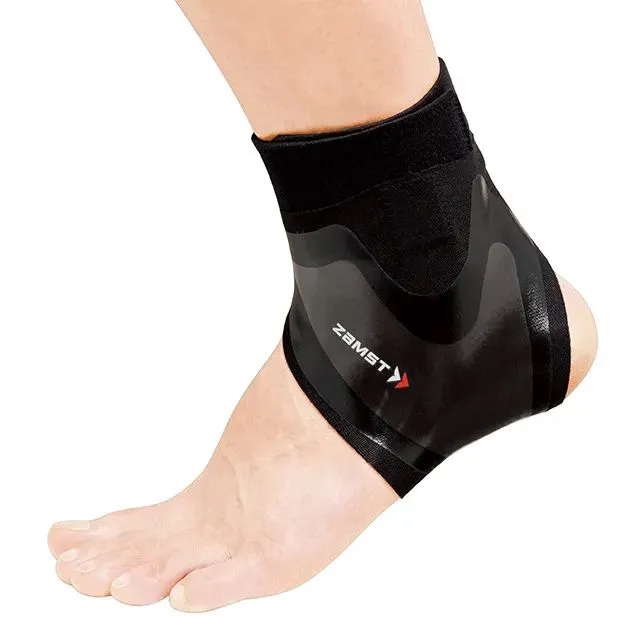
FILMISTA ANKLE is a thin, flexible ankle brace designed to be worn directly against the skin. Its primary purpose is to enhance proprioception.
Proprioception refers to the body's ability to recognize the position of its joints and limbs in space. The ankle contains numerous sensory receptors, and the ligaments themselves play an important role in sending positional information to the brain. In addition to physically limiting excessive motion, ligaments also contribute to neuromuscular awareness.
FILMISTA ANKLE helps enhance these sensory signals, providing additional feedback to the brain and supporting athletes who struggle with functional instability.
A1
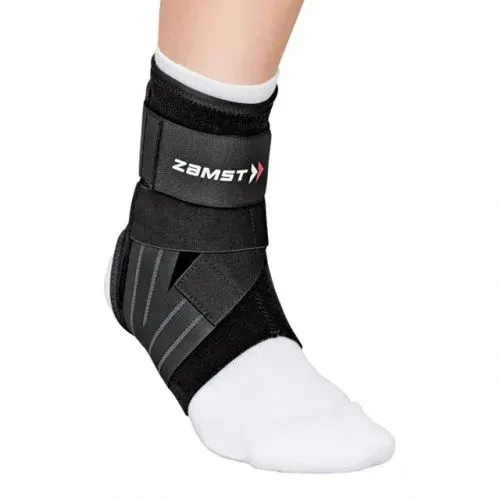
The Zamst A1Ankle brace is one of the most widely recommended ankle braces because of its versatility across a broad range of injuries and body types.
Its standout features include a rear-entry design and a continuous front panel, which help eliminate weak points and create a secure fit. Flexible stabilizers contour to the shape of the leg while providing semi-rigid support without sacrificing comfort.
The Zamst A1 also incorporates anatomical straps positioned to support key structures such as the anterior talofibular ligament (ATFL), calcaneofibular ligament (CFL), and the peroneal tendons. This combination of support and adaptability makes it suitable for many ankle-related conditions, including sprains, tendinitis, and chronic instability.
A2-DX
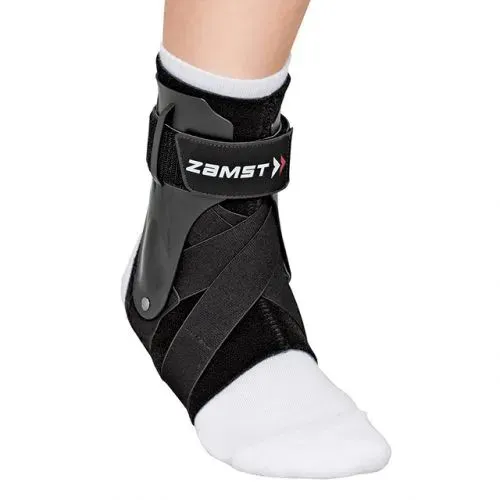
The Zamst A2-DX Ankle Brace builds upon many of the strengths of the Zamst A1 while offering a higher level of support for more severe injuries.
Like the Zamst A1, it features straps designed to reinforce the ATFL. However, the Zamst A2-DX incorporates a basket-weave configuration across the front of the ankle, creating an even more secure lockdown effect.
The brace also includes plastic stabilizers guard that allow natural dorsiflexion and plantarflexion while strongly resisting excessive inversion and eversion. This design provides exceptional protection without excessively limiting normal ankle movement.
As a result, the Zamst A2-DX is well suited for athletes recovering from severe ankle sprains, significant instability, high ankle sprains, and other conditions requiring maximum support. Its contoured stabilizers also provide effective compression while maintaining a comfortable fit.
For athletes concerned about ankle instability and looking for the highest level of support, the A2-DX is one of the strongest options available within the Zamst lineup. Learn more about Zamst Ankle line-up.
Conclusion
Choosing the right brace starts with understanding your injury.
Not every condition requires the same level of support. Mild symptoms may respond well to lightweight, flexible braces, while chronic instability, severe sprains, and ligament injuries often require more substantial protection.
Above all, obtaining an accurate diagnosis should be the first step. Without understanding the true nature of the injury, it is difficult to select the most appropriate product.
Whether you're dealing with ankle or knee issues, Zamst offers a range of braces designed for different injury types and severity levels. By identifying your condition and selecting the right level of support, you can work toward a safer recovery and a more confident return to activity.
For additional answers to frequently asked questions, see: “Expert-Reviewed: 20 Common Questions and Answers.”