Expert-Reviewed: 20 Common Questions and Answers
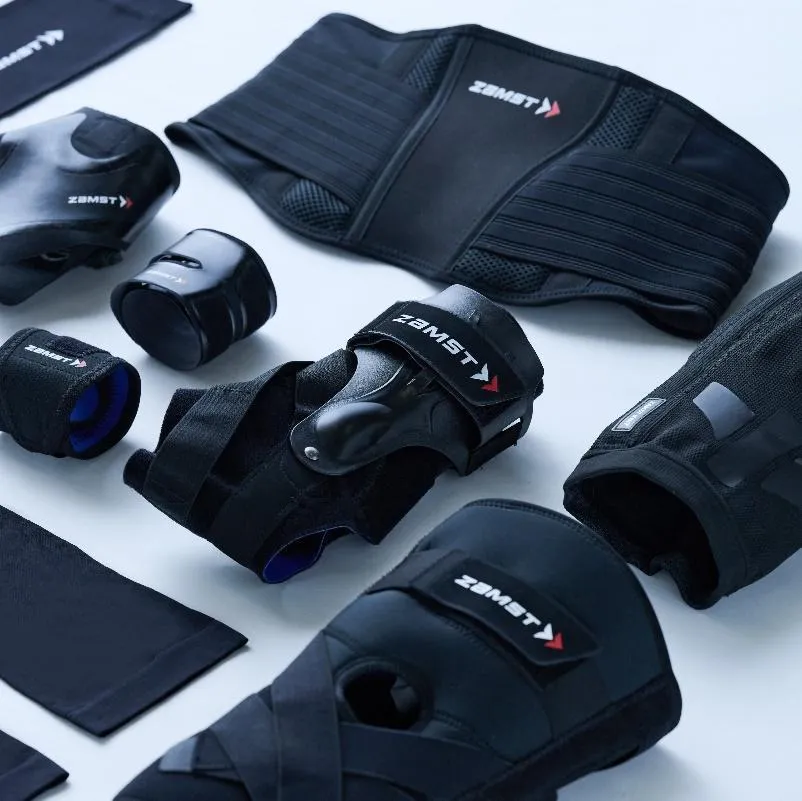
Disclaimer : This article was written by Dr. Evan Jeffries, PT, DPT. This content is provided for general informational purposes only and does not constitute medical advice, diagnosis, or treatment. The information does not guarantee specific results or effectiveness for any particular symptoms or conditions. If you are experiencing persistent symptoms or have concerns about your health, please consult a qualified healthcare professional.
“I'm worried about running long distances because my knee hurts.”
“I keep spraining my ankle and don’t feel confident about it.”
Many people experience knee or ankle problems while enjoying sports or running.
For those who have concerns about their knees or ankles, braces can be a helpful option. By properly supporting the joints, braces are said to help with injury prevention and stable performance. On the other hand, many people may also have questions or misconceptions, such as “Do they really work?”, “Will they make my muscles weaker?”, or “When and in what situations should I wear them?”
In this article, we will explain common questions about knee and ankle braces in an easy-to-understand Q&A format, based on answers from Dr. Evan, a specialist. We will cover a wide range of topics, including the effects of braces, when to wear them, how to choose braces by sport, key points when purchasing one, and precautions to keep in mind. If you are thinking, “I want to try using a brace, but I still have concerns,” or “I want to know whether I am using my current brace correctly,” please read through to the end.
About the Author

Evan Jeffreys is a physical therapist who earned his Doctor of Physical Therapy, DPT, from the University of St. Augustine for Health Sciences. He is also the owner of Evolving Motion Physical Therapy. With extensive knowledge of the musculoskeletal system, he has treated many orthopedic conditions through an active approach to healthcare and lifestyle.
About the Effects of Braces
Do knee and ankle braces really work? Here, we will explain the effects of braces in detail.
Q1. Do ankle braces actually prevent sprains?
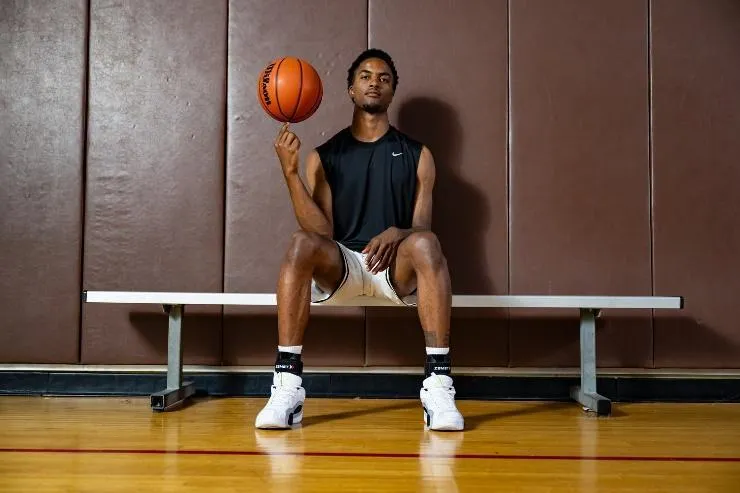
A. Yes and no. The research supporting ankle bracing is strong, especially in athletes with a history of ankle sprains. As a sports physical therapist, I've seen firsthand how effective ankle braces can be when used appropriately. Braces help limit excessive ankle movement and provide support during the unpredictable situations where sprains often occur. However, I always remind athletes that a brace isn't a guarantee. Sometimes you can’t prevent jumping and landing on a player’s foot and turning your ankle. But if you are wearing an ankle brace at that time it can lessen the severity of the ankle sprain which will reduce your time off the court. We have seen prime examples of this in the players like Trae Young who have all had ankle sprains that weren’t as severe because of the Zamst ankle brace.
For more information about ankle braces, please see
"Should You Wear an Ankle Brace? Benefits, How to Choose, Recommended Products, and How to Wear."
Q2. Do knee braces help with long-distance running pain?
A. They can, depending on what's causing the pain. Some runners report less discomfort and greater confidence while wearing a knee brace. In those cases, the brace may help manage symptoms and allow training to continue. But as a physical therapist, I'm always asking why the pain developed in the first place? What is the source of the knee pain? Once I find that I can really dive into the training errors, strength deficits, mobility limitations, or movement inefficiencies. During this time when we are trying to get the runner stronger a brace may help reduce symptoms temporarily, but long-term improvement usually requires addressing the underlying issue. I view braces as tools that can help keep runners active while we work on the factors contributing to the problem.
Common Misconceptions
Although braces can be expected to provide support, there are also many misconceptions about them. Here, we will explain common misconceptions about braces.
Q3. Do ankle braces weaken your ankles?
A. This is probably one of the most common myths I hear. The short answer is no. Research does not show that properly using an ankle brace causes your ankle muscles to become weak. What causes weakness is inactivity and failing to perform the exercises needed to maintain strength and stability. As a physical therapist, I encourage athletes to continue strengthening their ankles, improving balance, and training movement quality whether they wear a brace or not. A brace is simply an external support that can help reduce injury risk. When used appropriately alongside training, it doesn't replace the body's natural stabilizers—it complements them.
Q4. Can braces reduce performance?
A. This is a concern I hear frequently from athletes, but in most cases, the answer is no. Research generally shows that modern sports braces have minimal impact on athletic performance when properly fitted. In fact, some athletes perform better because they feel more confident and less concerned about reinjury. Many professional players such as Trae Young have worn ankle braces most of their career which has helped them stay on the court for more games. Confidence matters in sports. If an athlete trusts their body, they're often able to move more naturally and aggressively. The key is choosing a brace that provides the right amount of support without being overly bulky or restrictive. A properly selected brace should help support performance, not limit it.
When to Wear Braces
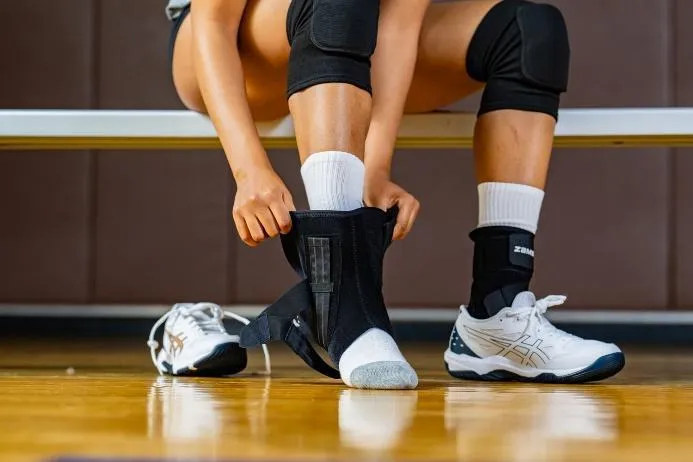
In order to make the most of a brace, timing is also an important point. Here, we will explain when to start wearing a brace, how to use one during practice and games, how to make use of braces throughout the season, and how to think about braces during marathon training.
Q5. When should you start wearing an ankle or knee brace?
A. As a sports physical therapist, I don't believe everyone needs a brace. But there are situations where a brace can be a smart tool. If you had just had an acute injury such as an ankle sprain or knee sprain a brace is a great tool during the protection phase to reduce the risk of further injury and provide stability and comfort. In my clinic, I often see athletes wait until they've been injured multiple times before thinking about prevention. A brace can provide an extra layer of protection during high-risk activities while you're continuing to build strength, balance, and movement control. The goal isn't to rely on the brace—it's to use it strategically to help keep you healthy and performing at your best.
For more information about sprains, please see
Q6. Should you wear a brace during practice, games, or both?
A. It depends. In my practice an athlete must past all the stability, strength, sports specific test without a brace to discontinue the use of one during practice or games. For example, ankle sprains are incredibly common in sports like basketball. There are times that I recommend for some of my athletes to wear ankle braces during practice and games to reduce risk of injury and lessen the severity of a sprain if one were to happen. One thing athletes often forget is that they typically spend far more time practicing than competing. In fact, many injuries happen during practice simply because of the increased exposure. If you're returning from injury or using a brace for prevention, consistency matters. Wearing it only during games may leave you vulnerable during most of your training.
Q7. When should you wear an ankle brace during a season?
A. This question needs a two-part answer. For athletes that have an ankle sprain coming into the season I usually recommend them to continue to wear the brace throughout the season to reduce risk for reinjury and while they are continuing to rehab and get stronger. Injuries don't usually happen when it's convenient. They happen unexpectedly during a bad landing, awkward cut, or player collision. That's especially true in sports like basketball and volleyball. For athletes with a no history of ankle sprains, ankle braces might not make sense for them at this time. As a physical therapist, my goal is to keep athletes available and healthy for the entire season, this starts with prevention by using an ankle brace and strengthening the whole kinetic chain to prepare for the toll the season takes on the body.
Q8. Should you wear a knee brace for marathon training?
A. For runners who are healthy and symptom-free, a brace usually isn't necessary during marathon training. However, if you're dealing with recurring knee pain during training, recovering from an injury, or experiencing instability, a brace may provide valuable support. Marathon preparation places repetitive stress on the body for months, so managing symptoms effectively can help maintain consistency. From my experience when someone is getting close to the marathon (within 1-2 months out) is when they might experience the overtraining which can lead to knee pain. This might be a time to de-load forces with a knee brace to continue their goal of running the marathon. As a physical therapist, my primary focus is making sure the runner is physically prepared for the demands of training. A brace can be helpful, but it’s not the end all be all.
Sports and Braces
The need for braces also differs depending on the type of sport and the individual’s condition. Here, we will explain what kinds of athletes may be suited to using braces, as well as how to think about braces in specific sports such as basketball, volleyball, and running.
Q9. Who should wear ankle or knee braces in sports?
A. The athletes I most commonly recommend braces for are those with a history of injury. One of the biggest predictors of injuries are past injury. If an athlete can reduce their risk of a severe injury I am all for brace use when appropriate. I also recommend braces for athletes returning to sport after injury and for athletes who consistently feel unstable during activity. Sports like basketball, volleyball, soccer, and football place a lot of stress on the joints because of the jumping, cutting, and rapid changes of direction involved. That said, I don't believe braces replace proper rehabilitation. My philosophy is to combine smart bracing with strength training stability, performance and movement training to give athletes the best chance to stay healthy.
Q10. Should I wear an ankle brace for basketball?
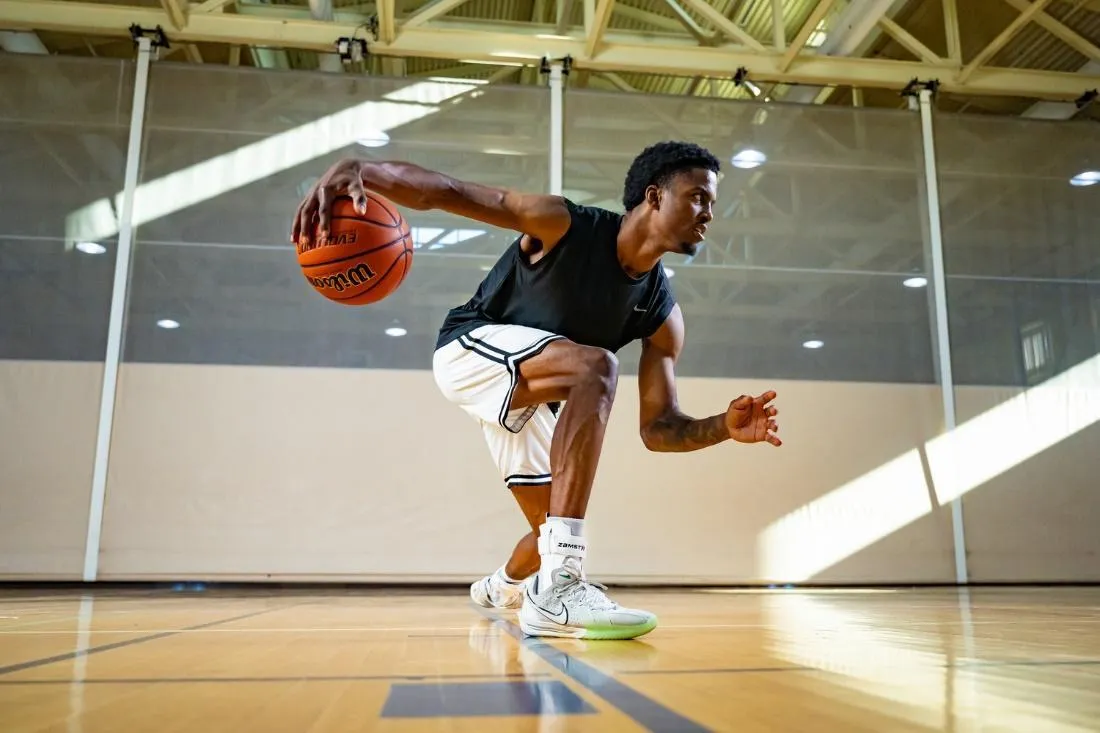
A. Basketball is one of the sports where I'm most likely to recommend an ankle brace. As a physical therapist, I've treated countless basketball players with ankle sprains, and we know that once you've sprained your ankle, your risk of doing it again goes up significantly. This is because once the ligaments have been stretched and become laxed this creates instability and likelihood of another ankle sprain. Between jumping, cutting, rebounding, and landing in crowded spaces, basketball creates a perfect environment for ankle injuries. A quality ankle brace can provide valuable support during those high-risk moments. That said, I never want athletes relying solely on a brace. Strong ankles, hips, good stability, proper landing mechanics, and consistent injury-prevention exercises remain the foundation for staying healthy throughout a long season.
For more information about sprains, please see "Are Ankle Braces Necessary for Basketball? Benefits, How to Choose, and Recommended Products."
Q11. Should high school basketball players wear ankle braces?
A. High school basketball players are one of the groups I discuss ankle bracing with most often. They're playing a high-risk sport while still developing physically, and many are competing year-round. The key is they don’t have as many breaks because of the new age travel ball obsession. Therefore, it is important for them to use prevention strategies to reduce their injury risk. My recommendation is always individualized, but I view ankle bracing as a reasonable strategy when combined with proper strength training, balance exercises, and movement preparation. The goal is simple: keep athletes healthy enough to stay on the court.
Q12. Should volleyball players wear ankle braces even without injury?
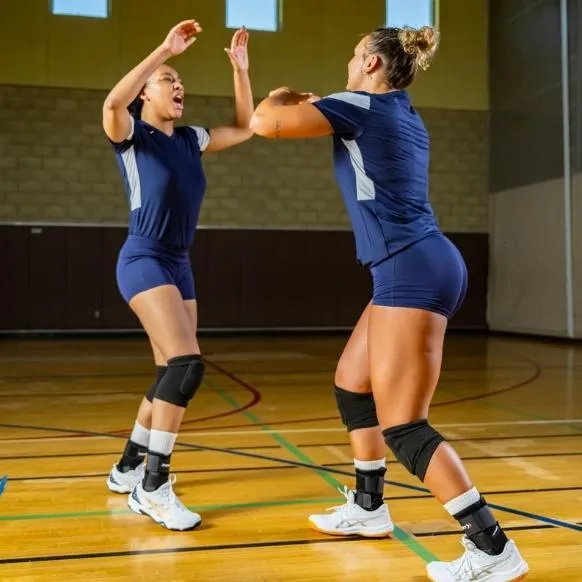
A. From first-hand knowledge I have seen the impact of volleyball on ankle sprains. Because of how common jumping and impact landing is in volleyball ankles are largely at risk for sprains. Ankle bracing can be a reasonable preventive strategy, even for athletes who haven't been injured before. As a physical therapist, I've worked with many volleyball athletes who wear braces proactively throughout their season. Research suggests that ankle braces can reduce sprain risk and severity, particularly in sports involving frequent jumping and landing. Making sure you have the right comfort level with an ankle brace is important and should be at the top of the list when choosing an ankle brace to wear.
For more information about sprains, please see "volleyball ankle braces."
Q13. Should runners wear knee braces for prevention?

A. For most healthy runners, I don't routinely recommend a knee brace solely for prevention. Running injuries are usually influenced by factors such as training volume, recovery, strength, mobility, and biomechanics rather than a lack of external support. If a runner has a history of knee injuries, instability, or specific structural concerns, a brace may play a role. The times that I recommend a knee brace for runners is when they are dealing with a capacity and overtraining issue such as runner’s knee. The strategy of the ankle brace is to reduce the forces to the knee and lessen the impact. But in general, I focus more on helping runners build a resilient body that can tolerate the demands of training.
For more information about runner’s knee, please see “Types of Injuries: IT BAND SYNDROME.”
Q14. Ankle brace vs. taping: Which is better for basketball in terms of support, performance, and cost-efficiency?
A. For most basketball players, I tend to favor ankle braces. One reason is consistency. A quality brace provides the same level of support every time you put it on, while tape can loosen during activity and varies based on who applies it. Braces are also reusable, which makes them more cost-effective over the course of a season. From a performance standpoint, most athletes adapt quickly to both ankle bracing and tape. Sometimes when we need to completely limit motion in one direction athletic taping might be the solution because of rigidity of tape. However, for most athletes I work with, braces provide a better combination of support, convenience, and long-term value.
For more information about the difference, please see “What is the difference between bracing and taping?”
Key Points When Choosing Braces
Even though they are all called braces, their characteristics and suitable uses differ depending on the type. Here, we will explain key points for choosing a brace.
Q15. Lace-up vs. strap ankle brace: what's the difference?
A. Both can be effective, but they provide support in slightly different ways. Lace-up braces typically surround the ankle more completely and provide uniform compression and stability. Strap-based braces often use figure-eight support patterns that help control specific ankle movements associated with sprains. As a physical therapist, I don't believe one design is universally better than the other. The best brace is the one that fits well, feels comfortable, works with your footwear, and provides the level of support you need. Athlete preference, injury history, sport demands, and comfort all play a role when selecting the right brace. The most important part is how does the athlete feel with it on because if they have confidence with a brace they won’t second guess wearing it.
For more information, please see “Strap brace vs Lace-up brace, which is better?”
Q16. Many runners apply kinesiology tape to their knees, but does it serve a different purpose than a knee brace?
A. Yes. Although they can sometimes be used for similar reasons, kinesiology tape and knee braces work differently. Tape is generally used to provide sensory feedback and may help improve kinesthetic body awareness or reduce discomfort. It offers very little structural support. A knee brace, on the other hand, is designed to provide compression, stability, or motion control depending on the type of brace. In my clinic, I often explain that tape may help provide sensory and tactile cues for the brain to reduce someone’s pain, while a brace is typically chosen when additional support is needed to reduce instability. Both can have a role, but they're different tools designed to accomplish different goals.
Q17. Knee sleeve vs. knee brace: which do you need?
A. I usually explain it this way: a knee sleeve is primarily about compression and comfort, while a knee brace is designed to provide more support and stability. Many athletes wear sleeves because they like the warmth, compression, and increased awareness they provide. A brace is generally the better option when there is a history of injury, instability, or a specific condition requiring additional support. As a physical therapist, I help athletes match the tool to the problem. If you're simply looking for mild support and comfort, a sleeve may be enough. If you're trying to manage instability or return from injury, a brace may be more appropriate.
Q18. Soft vs. hinged knee brace: which is better for sports?
A. It depends on the athlete and the reason for wearing it. Soft braces tend to be lighter, more comfortable, and less restrictive, making them a great option for many athletes. Hinged braces provide additional stability and are often used following ligament injuries or when significant support is needed. For example, most offensive lineman in college and the pros wear hinged braces as a prevention tool for knee ligament injuries because of the nature of their position making their knee very vulnerable to knee sprains. The best choice comes down to your injury history, sport demands, comfort preferences, and the level of stability you're trying to achieve.
Precautions Regarding Braces
Braces are most effective when used correctly, but there are also points that require caution depending on how they are used. Here, we will explain how to think about when to stop wearing a brace and daily brace use.
Q19. Can you stop wearing a brace once the pain is gone?
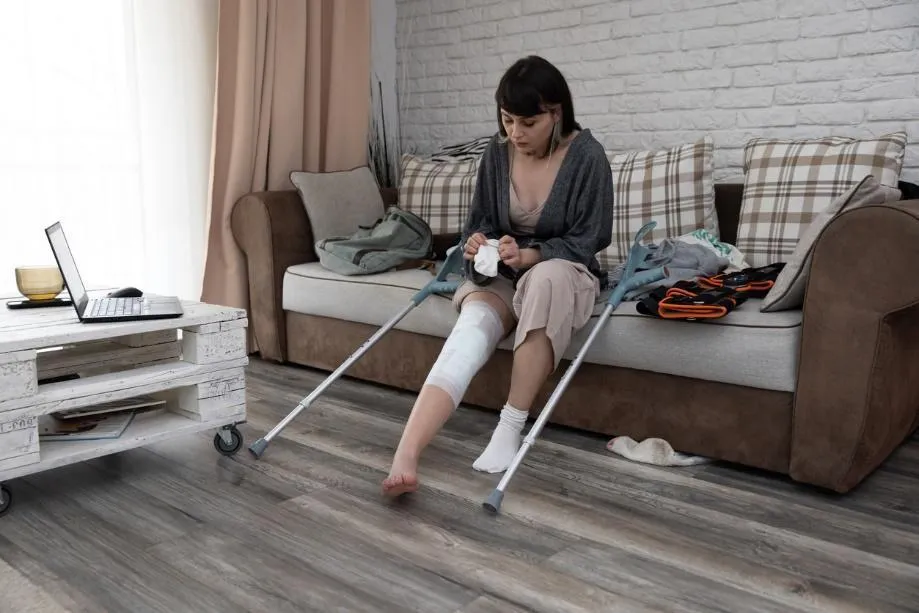
A. Not necessarily. One of the biggest mistakes I see is athletes assuming they're fully recovered just because the pain has gone away. Pain is only one piece of the puzzle. Before I recommend discontinuing a brace, I want to see good strength, balance, confidence, and sport-specific movement. Can you jump, cut, sprint, and land without hesitation? That's what matters. Many athletes feel fine before their body is truly ready for the demands of competition. In most cases, I recommend gradually reducing brace use rather than stopping all at once. The goal is to make sure you're not only pain-free but also physically prepared to handle your sport safely.
Q20. Is it bad to wear a brace every day?
A. The answer is it depends. If you are a healthy individual with no injury history there would be no reason to wear an ankle brace during daily activities. However, if you are recovering from an acute ankle sprain it would be wise to protect the ankle by wearing a brace every day to give it the chance to heal quicker. What I don't want to see is someone relying on a brace indefinitely without addressing the underlying issue. It is important to make sure you are doing your physical therapy, exercises at home and continue to stronger with aid of an ankle brace. As a physical therapist, my goal is always to improve the body's ability to function independently whenever possible. A brace can be an excellent tool, but it shouldn’t be the only thing you are doing to help the ankle.
Summary: Choose the Right Brace for You and Enjoy Sports
Ankle and knee braces are items that may help reduce the severity of sprains, manage pain, and support continued training. There are many misconceptions about them, but when chosen correctly and used together with training, they can become a reassuring ally for injury prevention and performance support. If you have concerns about your knees or ankles, why not consider trying a brace that suits you?