Expert Insights:Foot Doctor Zach Explains the Difference Between the ZAMST A1 and Traditional Lace-Up Ankle Braces
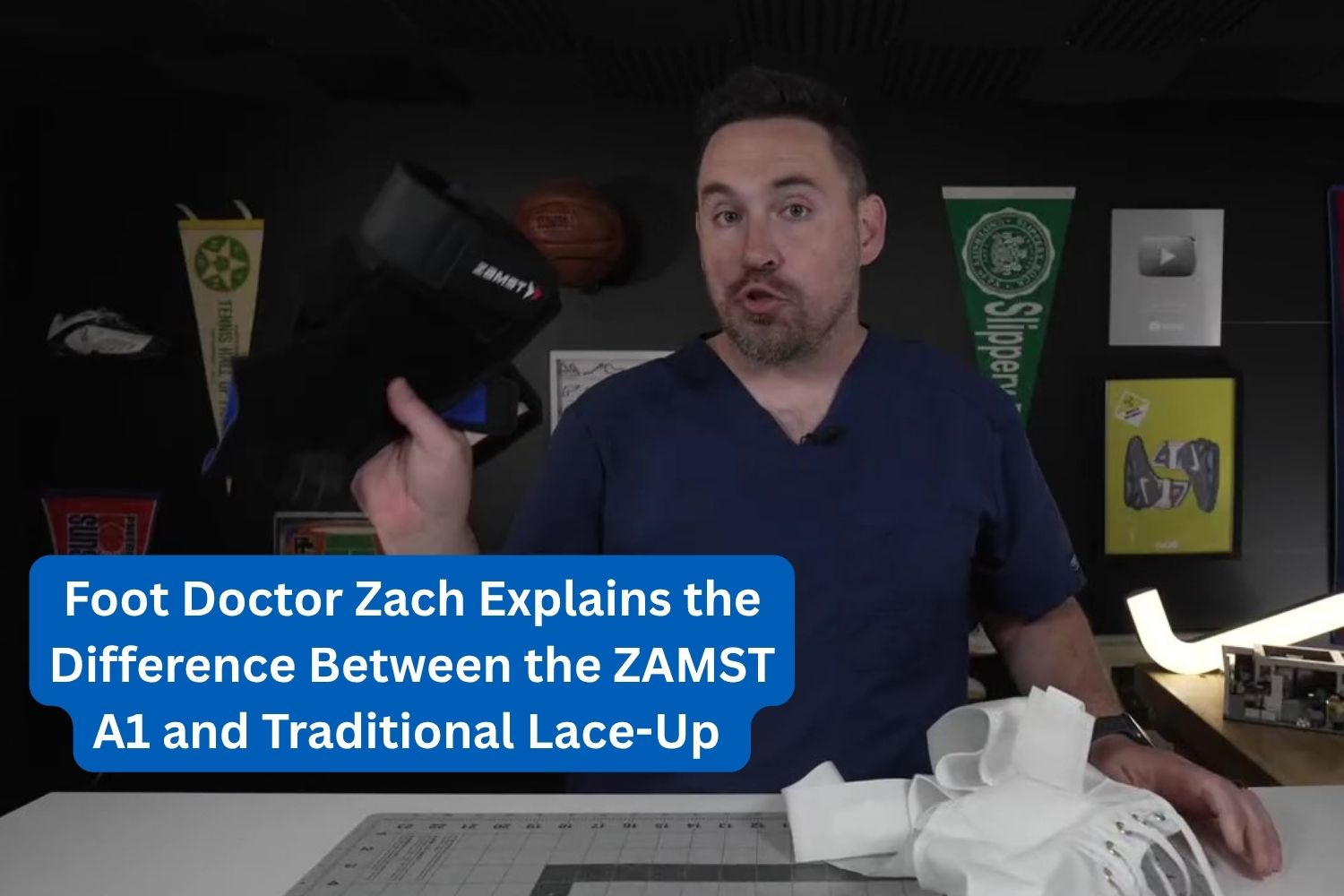
When recovering from an ankle injury, one of the most common questions athletes ask is whether they should use a traditional lace-up ankle brace or a more modern semi-rigid design.
According to Foot Doctor Zach, not every new product is automatically better.
"Newer technology does not always equal better performance."
However, after personally rehabilitating his own ankle injury, Zach found that one design difference had a significant impact on comfort, fit, and confidence during sport.
"I went from a traditional lace-up to the ZAMST A1."
In this article, we'll look at the key differences he noticed and why those differences mattered during his recovery.
Why Zach Switched Away from a Traditional Lace-Up Brace
Zach explains that traditional lace-up braces have been widely used for years and typically consist of a fabric sleeve that opens at the front and is tightened with shoelaces.
"Traditional lace-up braces work pretty simply. You've got some sort of nylon or canvas sleeve that opens in the front and then is laced up by a shoelace going up the leg."
While this design can provide support, Zach found that adjusting the lace tension often became a balancing act.
"I was trying to get it so tight in that area to protect myself that I ended up creating so many more problems either up my leg or into my foot."
For him, increasing support sometimes created pressure points and discomfort elsewhere.
A Different Design Philosophy
One of the first things Zach noticed about the A1 was that the brace does not open at the front.
"Unlike a traditional lace-up brace, it doesn't open in the front. The front is completely continuous."
Rather than concentrating tension around a central lace system, the A1 combines elastic materials, semi-rigid stays, and a series of support straps.
According to Zach, this creates a more continuous support structure around the ankle.
"When you really crank on the A1, the entire brace conforms to your leg."
Instead of focusing pressure in one location, the support is distributed across the brace.
"It's spreading out all of that pressure."
Support Designed Around Common Ankle Sprains
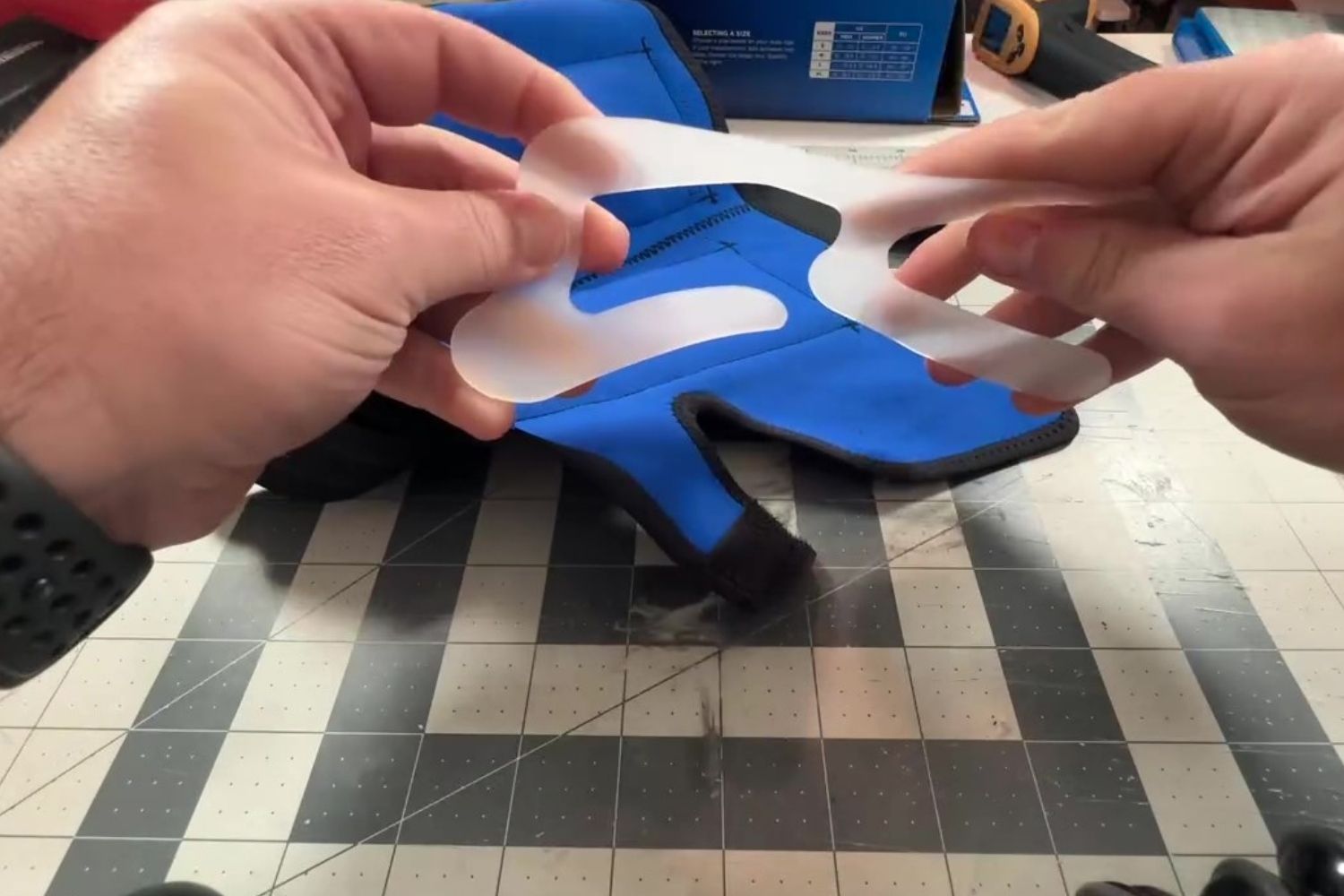
Another feature that stood out to Zach was the A1's strap configuration. He specifically highlighted the brace's L-shaped and Y-shaped support straps.
"It actually mimics the ATFL or the ligament that is most commonly sprained."
These straps work together with semi-flexible stays inside the brace.
According to Zach, the combination provides support while still allowing the brace to conform to the shape of the leg.
"It's going to conform to your leg."
Rather than simply restricting all movement, Zach describes the system as targeting the motions most commonly associated with ankle sprains.
Comfort Matters During Recovery
A recurring theme throughout Zach's review is comfort. He believes that a brace must be comfortable enough to wear consistently during training, rehabilitation, and competition.
"Typically if a brace is comfortable, that means it's working better."
One reason he preferred the A1 was the absence of a single pressure point.
"There's no one area on that brace that is pinching."
Instead, the support is distributed throughout the brace.
"All the tension on that brace is being borne throughout the leg."
For Zach, this resulted in a more natural fit compared with his previous lace-up brace experience.
Stability and Confidence
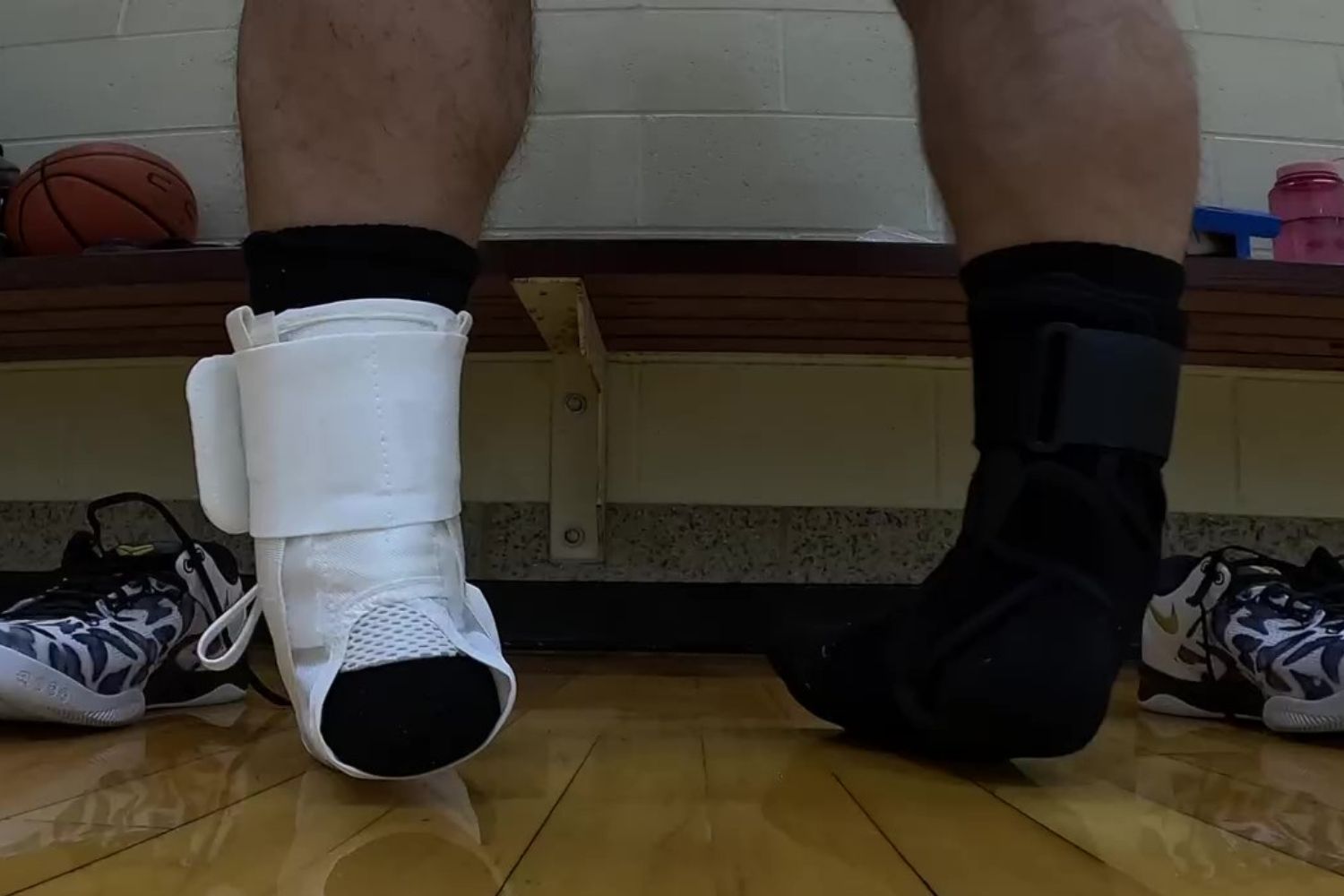
One of the features Zach repeatedly returns to is the upper ankle strap design.
"This thing doubles down around the ankle as it goes through the loop and then crosses over itself."
While seemingly a small design feature, he felt it improved stability and confidence during movement.
"The confidence that that gives you, I think, is just second to none."
As both a foot doctor and athlete recovering from injury, Zach viewed this detail as one of the most meaningful differences between the two brace styles.
"This to me was the game changer for sure."
Performance Inside the Shoe
Beyond support, Zach also focused on how the brace interacted with footwear. One issue he experienced with previous braces was heel movement inside the shoe.
"One thing that is usually super annoying about braces, especially bulkier ones, is the heel slippage."
According to Zach, the lower-profile design of the A1 allowed it to fit more naturally inside athletic shoes.
"It fits like just a little sleeve."
This helped reduce excess movement between the foot, brace, and shoe.
"Zero heel slippage."
For court sports that involve rapid changes of direction, he viewed that as an important advantage.
Who Might Consider the A1?
Based on Zach's experience, the A1 may be suitable for athletes looking for:
- Support during ankle sprain recovery
- Ongoing protection during sports participation
- A balance between mobility and stability
- A low-profile fit inside athletic footwear
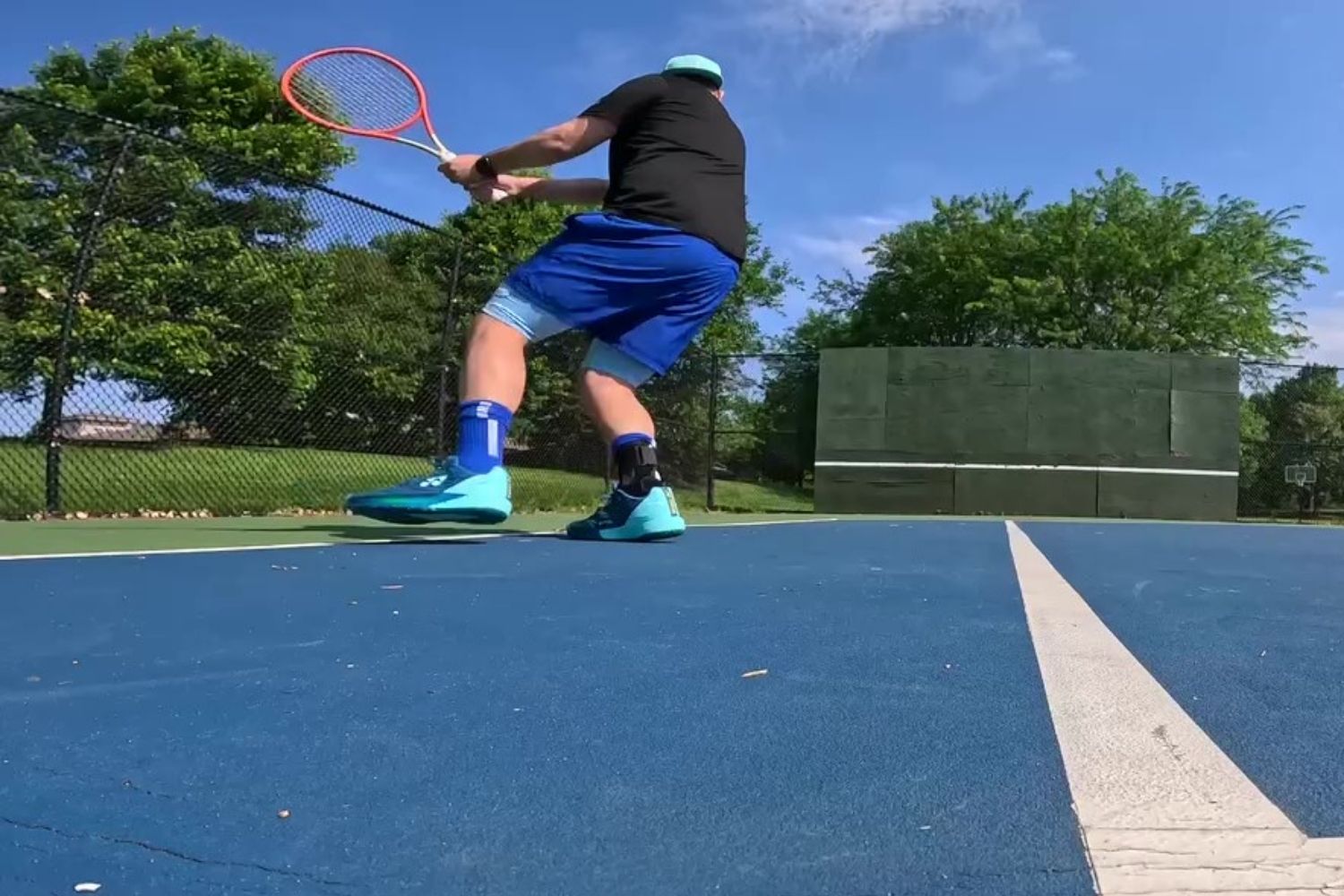
He also notes that the brace can be used across a wide range of sports.
"You can use this for pretty much any athletic application or rehab application in general."
From running to court sports such as volleyball, basketball, tennis, and pickleball, Zach found the A1 provided support without feeling overly restrictive.
Final Thoughts from Zach
While the goal of any ankle brace is to provide support, Zach emphasizes that the design of that support can influence how the brace feels during rehabilitation and competition. For him, the biggest difference was not simply the level of support, but how the support was delivered.
"The A1 is going to allow the more natural motion of your ankle, but it is not going to allow the abnormal motion of your ankle."
After using both styles during his own recovery, Zach ultimately found that the A1 helped him regain the confidence needed to return to full activity.
"I really found that the A1 was what kind of got me back to going 100%."
Learn more about Zamst A1 Ankle Brace , Click here
Read another article related of this topic, "Blog: Strap brace vs Lace-up brace, which is better?"