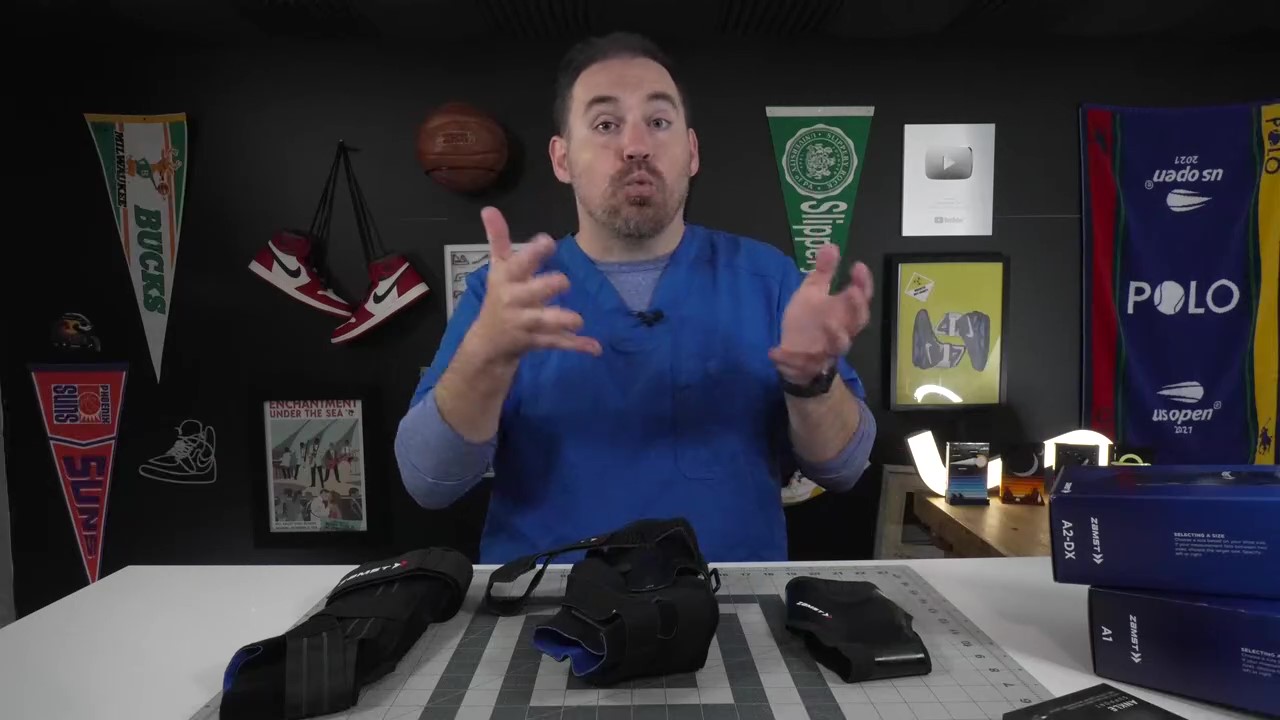
Expert Insights:Foot Doctor Explains How to Choose the Right Ankle Brace | Filmista Ankle vs A1 vs A2-DX
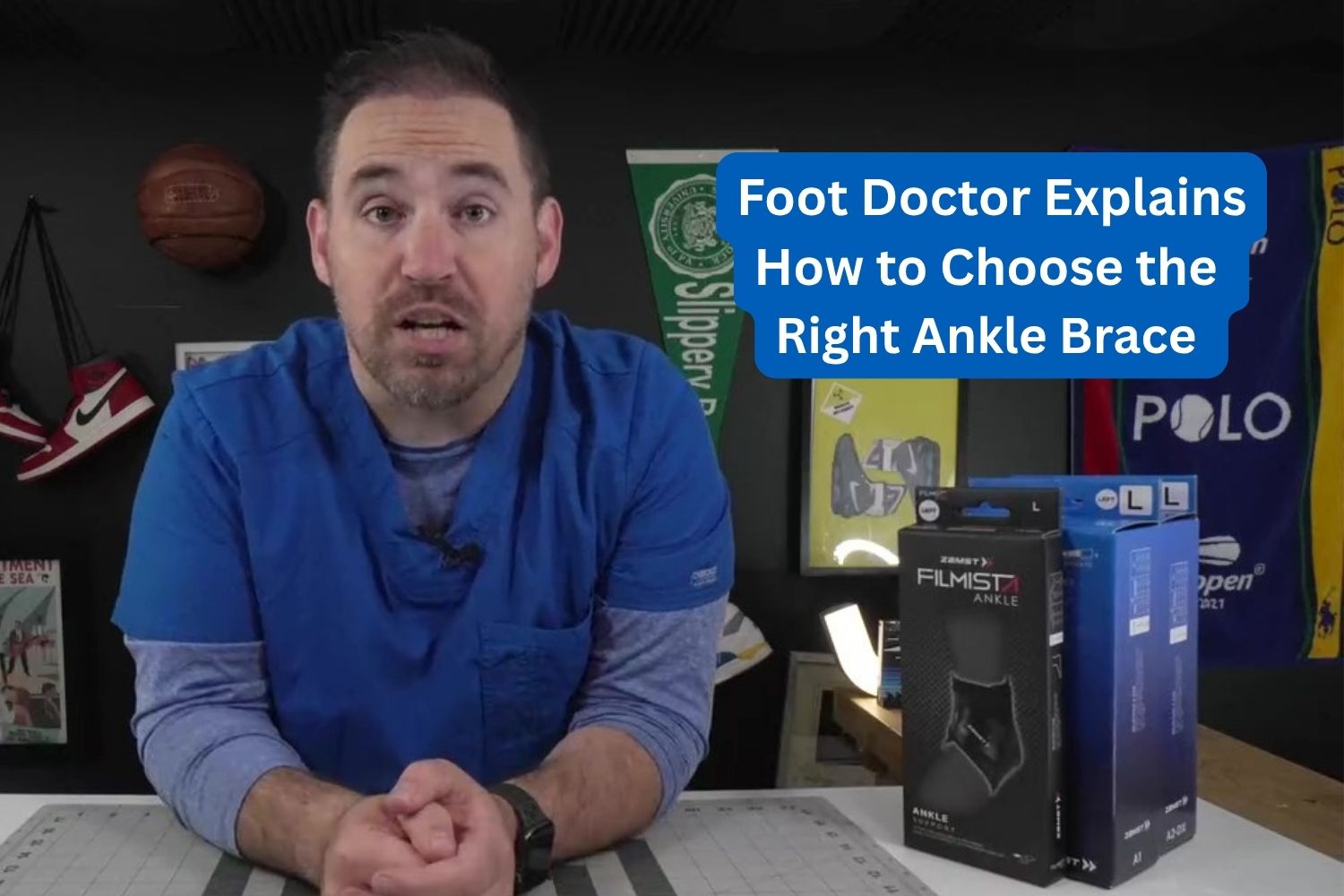
There are a lot of ankle brace options available today, and according to Foot Doctor Zach, choosing the strongest brace is not always the best solution.
"There are a lot of ankle brace options out there, especially a lot of options in terms of levels of support, but it's sometimes really hard to tell which one you should get for your particular needs."
The key, Zach explains, is understanding what type of support you need and matching that need to the right brace.
Before discussing specific models, Zach first explains why athletes wear ankle braces in the first place.
Why Athletes Wear Ankle Braces
According to Zach, the two most common reasons athletes wear ankle braces are:
- Ankle sprains
- Tendonitis
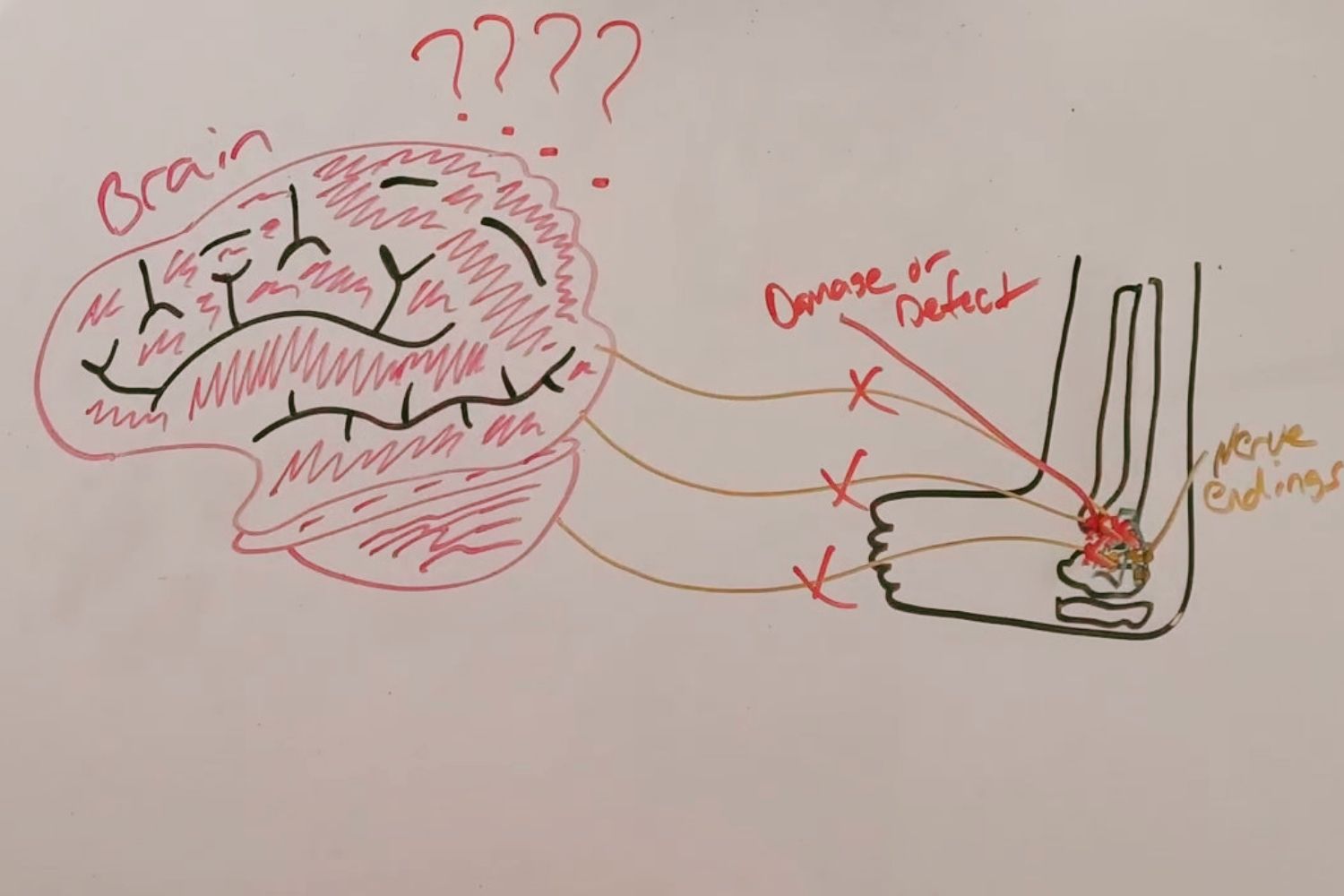
While some braces physically limit movement, others work by improving proprioception, helping the body better understand where the ankle is positioned during activity.
"Remember anything you put around your ankle is going to give your brain some extra data points about where your foot and ankle are in space."
After an ankle injury, those sensory signals may become less reliable. Additional feedback from a brace can help athletes improve balance and react more effectively to sudden movement.
"After an ankle injury, those data points can become corrupted or malfunction, and that extra data can be used to keep you balanced."
Option 1: Compression Sleeves for Mild Support
Recommended for:
- Mild tendonitis
- Minor ankle discomfort
- Athletes looking for compression and proprioceptive feedback
Featured Brace: ZAMST Filmista Ankle
The first category Zach discusses is ankle sleeves.
"Braces like the Filmista work mostly on compression for localized edema, mild support, as well as proprioception."
According to Zach, this category is ideal for athletes who have already progressed through part of their rehabilitation process and need mild support while returning to activity.
"These are good for less severe tendonitis or retraining an ankle after an ankle sprain after you've rehabbed a little bit."
One feature he particularly likes about the Filmista is that it can be worn directly on the skin.

"Some ankle sleeves you can't wear directly on your skin, whereas these you can wear directly on your skin and giving you that much more proprioception."
He also points to the adjustability of the brace.
"Because there are so many little connection points on here, you can tighten it or get it more customized to your ankle versus some others."
Another advantage is the anti-slip material.
"You can put it directly on your skin and it's going to stay there even if you are sweating really heavily."
Because of its low-profile design, Zach notes that athletes generally do not need to change shoe sizes when wearing it.
Option 2: Moderate Support for Everyday Sports
Recommended for:
- Grade I or Grade II ankle sprains
- Tendonitis requiring more support
- Athletes returning to sports after injury
Featured Brace: ZAMST A1
The next category includes semi-constraining braces like the ZAMST A1.
"These types of braces can offer compression and support like the first category, but they also start to offer more physical barriers to spraining and straining."
According to Zach, the A1 uses semi-rigid stays and multiple strap systems to create support without excessively restricting movement.
One feature he specifically highlights is the brace's ligament-focused design.
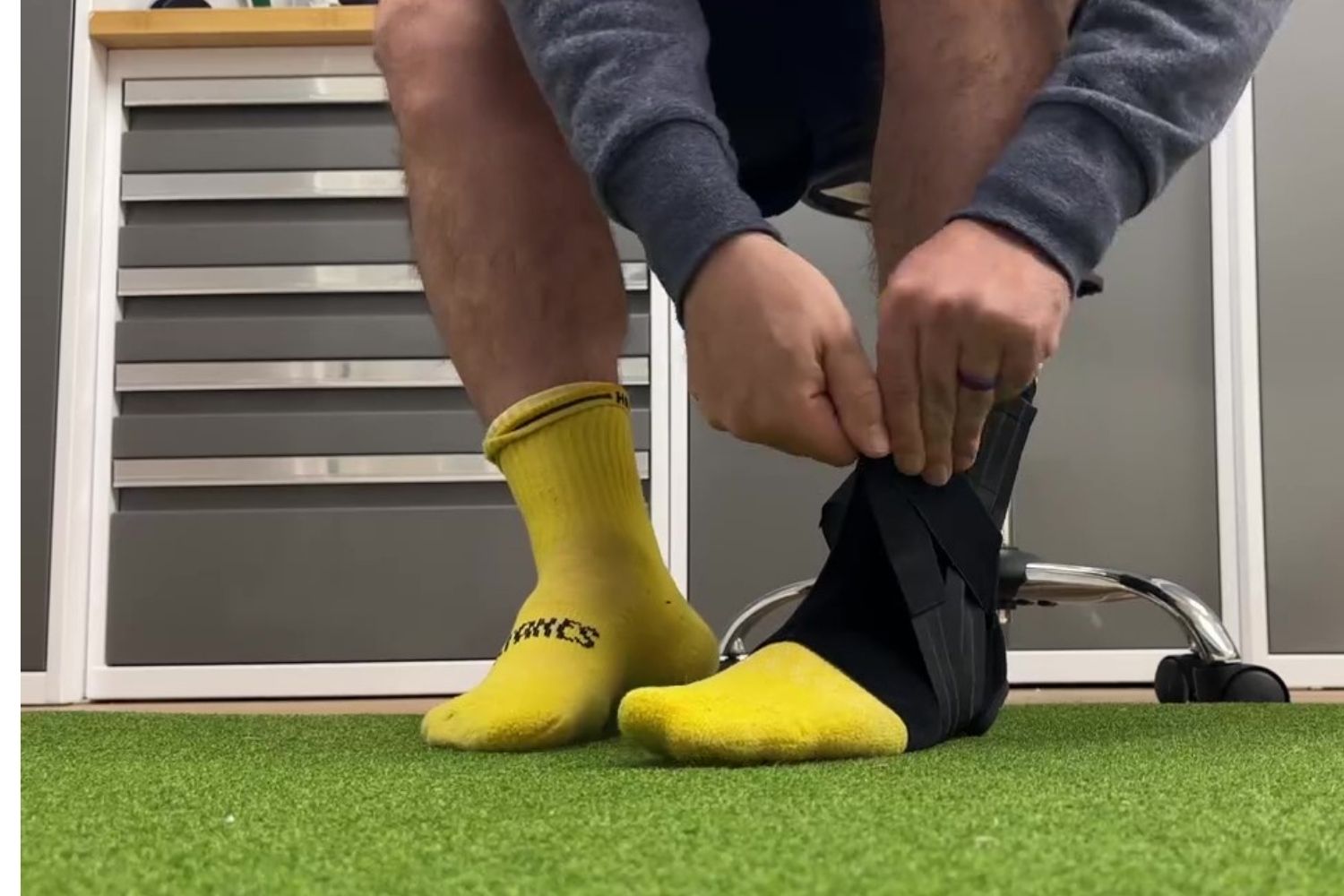
"This one also has an L and a Y strap, which really protect the ATFL but also the CFL, which are the two most commonly sprained ankle ligaments."
Another feature he values is compression adjustability.
"You can really get it to compress exactly where you want it to, and it's not going to be super uncomfortable."
For many athletes, Zach believes this category provides the best balance between protection and mobility.
"I would say the A1 is probably the more widely used by more people just because its applications are so broad."
He explains that it can be useful for tendonitis, ankle sprains, and athletes seeking ongoing support during sports participation.
Option 3: Maximum Support for Recurrent Ankle Sprains
Recommended for:
- Chronic ankle instability
- Repeated ankle sprains
- Athletes requiring maximum support during competition
Featured Brace: ZAMST A2-DX
For athletes who require greater protection, Zach recommends a more rigid ankle brace.
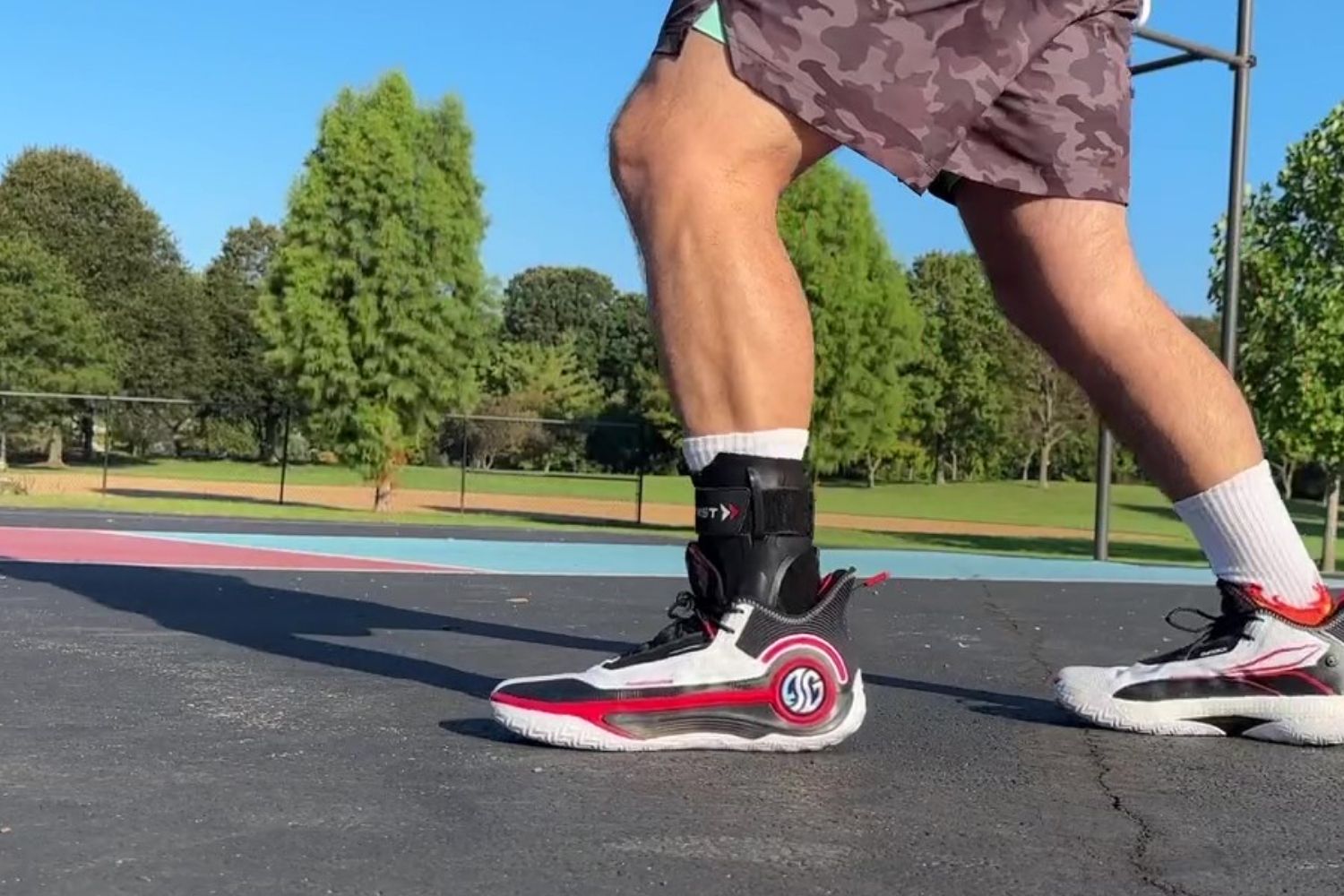
"If you want to get more support and more rigid support, you're going to go to something like the A2DX."
Unlike many rigid braces, Zach believes the A2-DX maintains an important balance between protection and movement.
"With the A2DX, it's meant to blunt inversion and eversion ankle forces, which are the abnormal ones."
One of the key reasons he prefers this design is that it still allows natural movement of the foot.
"You're still allowed all that foot motion, which is great."
He also highlights its compatibility with orthotics.
"Because it doesn't really have any bulk on the bottom of it, you can still wear an orthotic in your shoe with these."
For athletes with recurrent sprains, Zach considers this a significant advantage.
"The A2DX plus an orthotic is a super pickup. It just allows so many more options for you."
How Do You Choose the Right Brace?
According to Zach, choosing the right ankle brace comes down to matching the support level to your needs.
"You can't have a grade three ankle sprain and put on the Filmista."
Likewise:
"You can't put the A2DX on and think it's going to be a super low-profile sleeve."
His advice is simple.
"You really got to match what your needs are with the brace."
Quick Guide
Choose Filmista Ankle if you need:
- Mild support
- Compression
- Proprioceptive feedback
Choose A1 if you need:
- Moderate support
- Protection from common ankle sprains
- Versatility across multiple conditions
Choose A2-DX if you need:
- Maximum support
- Protection from recurrent ankle sprains
- High-level performance support
Braces Are Not a Substitute for Rehabilitation
Zach finishes with an important reminder.
"No brace is a substitute for proper rehabilitation of an injury."
While braces can provide support and protection, recovery still requires rehabilitation, strength training, and proprioceptive training.
"Braces are a training aid. They are an aid to things."
The best results come from combining the right brace with appropriate rehabilitation and training.
"You really have to marry the brain training, the proprioceptive training, as well as strength training with which brace you're using to rehab."
Read related Blog "ZAMST Brace FAQ: Foot Doctor Zach Answers the Most Common Questions About Ankle and Knee Support"
Check Zamst Ankle Brace line-up "Ankle Brace"