Blog:Why Does Elbow Pain Occur A Physical Therapist Explains the Causes, Treatment Options, and Recommended Braces!
Disclaimer : This article was written byDr. Evan Jeffries, PT, DPT. This content is provided for general informationalpurposes only and does not constitute medical advice, diagnosis, or treatment.The information does not guarantee specific results or effectiveness for anyparticular symptoms or conditions. If you are experiencing persistent symptomsor have concerns about your health, please consult a qualified healthcareprofessional.
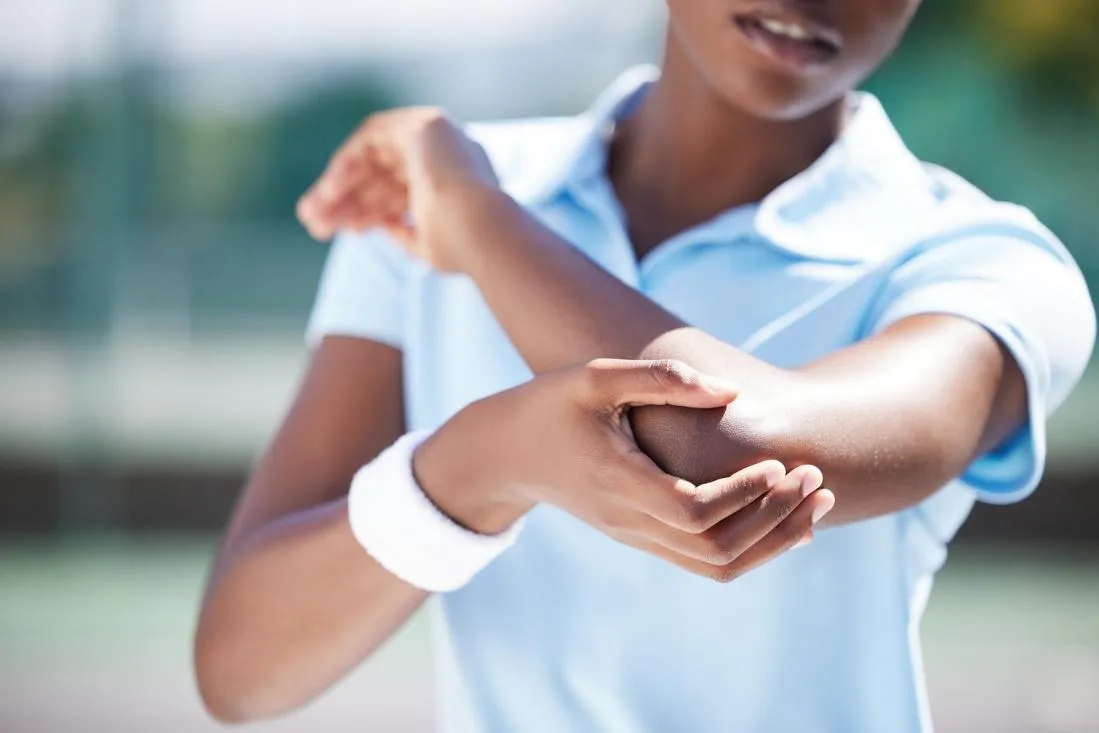
“I played tennis over the weekend and now my elbow is throbbing.” “My elbow hurts, but the symptoms are mild, so I’m not sure whether I should keep training.”
These are common concerns among athletes and active individuals. However, continuing to play through elbow pain without addressing the underlying cause can lead to worsening symptoms and eventually interfere with both sports and everyday activities. To continue enjoying the sports you love, it’s important not to ignore elbow pain and to seek appropriate care early.
In this article, based on insights from Zamst partner and physical therapist Dr. Evan Jeffreys (DPT), we’ll explain the most common causes of elbow pain, associated symptoms, self-care strategies you can start today, medical treatment options, and how to choose the right brace for your condition.
About the Author
Evan Jeffreys, DPT, is a licensed physical therapist who earned his Doctor of Physical Therapy degree from the University of St. Augustine for Health Sciences. He is also the owner of Evolving Motion Physical Therapy and has extensive expertise in musculoskeletal health, helping individuals manage a wide range of orthopedic conditions through proactive healthcare and lifestyle interventions.
Common Causes and Symptoms of Elbow Pain
Many cases of elbow pain caused by sports participation or repetitive activities fall into one of two categories: tennis elbow or golfer’s elbow. While the conditions are similar, the location of pain differs. Tennis elbow affects the outside of the elbow, while golfer’s elbow affects the inside.
Tennis Elbow
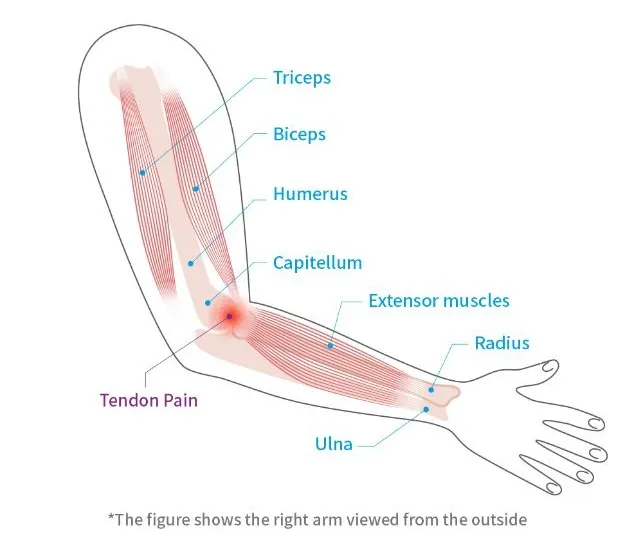
Tennis elbow, also known as lateral epicondylitis, is characterized by pain and inflammation of the tendons that attach to the outside portion of the elbow. Unlike an elbow sprain, which affects the ligaments, tennis elbow involves the tendons that connect the forearm muscles to the elbow. The condition typically develops from overuse, repetitive gripping, lifting, wrist extension, and twisting movements that place stress on the tendons and may lead to microscopic tearing and inflammation.
As the name suggests, tennis elbow is frequently seen in sports such as tennis and pickleball, where repetitive racquet swings and gripping motions place significant demands on the forearm muscles. Similar repetitive stress can also contribute to lateral epicondylitis in sports such as racquetball, badminton, baseball, and fencing. Athletes who participate in these activities should be aware of the potential risk.
Common symptoms include:
- Pain and tenderness
Pain is typically felt on the outside of the elbow where the wrist extensor muscles attach and may radiate down the forearm. Symptoms are often aggravated by wrist extension, gripping, or twisting motions. - Reduced grip strength
Everyday tasks such as shaking hands, turning a doorknob, opening a jar, or holding objects may become more difficult. - Swelling and stiffness
When inflammation becomes more significant, swelling and stiffness may develop, making the elbow feel increasingly uncomfortable. - Pain when stretching the muscles
Stretching the wrist extensors can create a pulling sensation on the tendon and may reproduce symptoms.
Symptoms vary depending on the severity and stage of inflammation. In many cases, discomfort begins as a mild irritation but gradually worsens if repetitive activities continue without modification.
Golfer’s Elbow
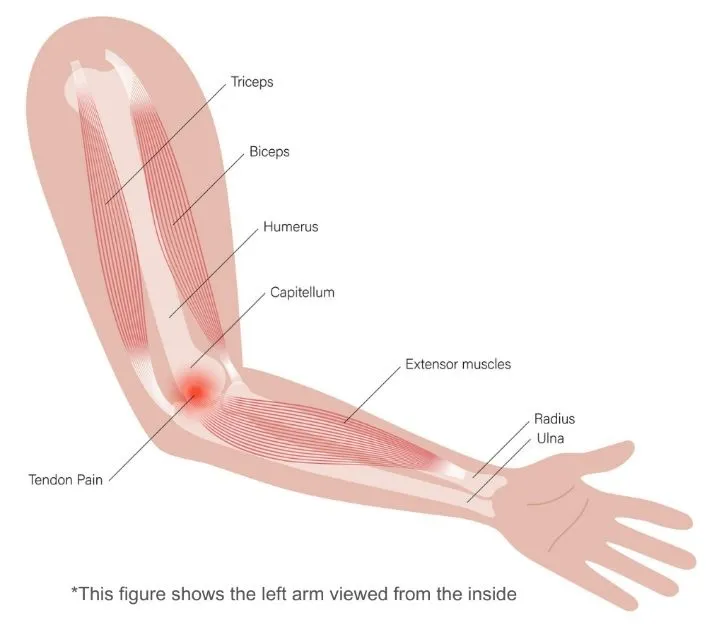
Golfer’s elbow, also known as medial epicondylitis, affects the tendons attached to the inside of the elbow. It causes pain and inflammation in this area due to repetitive stress and overuse. The condition commonly develops through activities such as golf, weightlifting, throwing sports, and racquet sports that require frequent wrist flexion and forearm rotation. Unlike an elbow sprain, golfer’s elbow affects tendons rather than ligaments, and it is essentially the opposite of tennis elbow in terms of injury location.
In addition to repetitive activity, age may also contribute to risk. The condition tends to occur more frequently in individuals over the age of 40, making it an injury worth monitoring as we get older.
Common symptoms include:
- Pain and tenderness
A dull ache or sharp pain is typically felt along the inside of the elbow and may extend into the forearm. Symptoms often worsen during the activity that contributed to the condition. - Numbness and tingling
Swelling around the elbow can place pressure on nearby nerves, sometimes causing numbness or tingling sensations in the ring finger or little finger. - Weakness
Grip strength may decline, and making a fist or grasping objects can become painful and difficult. - Stiffness
Swelling within the elbow joint may limit movement and create a sensation of stiffness.
As with tennis elbow, symptoms can vary considerably depending on the severity and stage of the condition.
What Happens If You Ignore Elbow Pain?
As discussed above, both tennis elbow and golfer’s elbow typically develop from repetitive stress. Symptoms such as pain, weakness, and reduced function often appear gradually. Unfortunately, many people ignore the early warning signs because the discomfort initially seems minor.
When symptoms go untreated for an extended period, rehabilitation often becomes more challenging once treatment finally begins. In many cases, the longer the condition persists, the more difficult recovery can become.
That’s why it’s important to identify the source of pain and take action as soon as symptoms appear. Allowing the condition to worsen may eventually limit your ability to participate in the sports and activities you enjoy. Rather than hoping the problem will simply resolve on its own, consider implementing self-care strategies and seeking professional guidance when necessary.
How to Relieve Tennis Elbow and Golfer’s Elbow Pain at Home
If symptoms are identified early, many cases of tennis elbow and golfer’s elbow can be managed with self-care measures. If pain persists despite these efforts, or if symptoms are severe, consult a healthcare professional for further evaluation.
Compression and Cold Therapy
Two commonly used strategies for managing elbow pain are compression and cooling. These align with principles found in the P.O.L.I.C.E. approach (Protection, Optimal Loading, Ice, Compression, and Elevation), which is widely used in the management of acute injuries and can also provide benefits for overuse conditions such as tennis elbow and golfer’s elbow.
- Cold Therapy
Applying cold to the affected area can help reduce pain. Ice massage has been widely studied in tendinopathies such as tennis elbow and golfer’s elbow and may help decrease discomfort, allowing individuals to begin exercise with less irritation. Other options include ice packs, cold baths, and commercial cryotherapy devices.
As a general guideline, during the first 48 hours after symptoms develop, apply an ice pack or ice wrapped in a cloth for approximately 15 to 20 minutes at a time. Adjust timing and frequency according to your condition. To prevent frostbite, never place ice directly on the skin. Always use a cloth or towel as a barrier.
For convenient cold therapy at home, consider using reusable ice therapy products such as the Zamst Ice Bag or IW-1.

- Compression
Compression can help manage swelling and support healthy circulation around the affected area. During sports and physical activity, wearing a compression-style elbow brace may help keep the area warm while promoting blood flow. Improved circulation may support recovery and help reduce symptoms.
However, compression and cooling alone are not complete solutions. They should be combined with exercises that address strength, mobility, and function to support long-term recovery.
To learn more about the P.O.L.I.C.E. method, see:” Expert-Reviewed: What Is “P.O.L.I.C.E,” the Initial Sprain Response Taught by PTs in the Field? A Detailed Explanation”.
Exercises and Stretching
Because elbow pain can lead to weakness in the wrist and forearm muscles, combining stretching and strengthening exercises is often recommended once symptoms begin to improve.
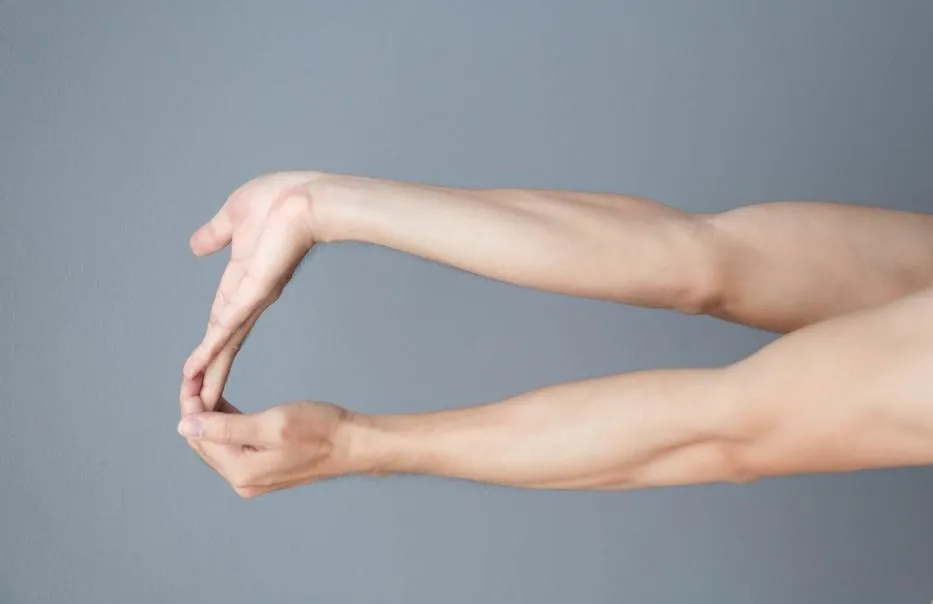
- Wrist Extension Stretch (Palm-Up Stretch)
Extend one arm straight in front of you with the palm facing upward. Using the opposite hand, gently pull the fingers back toward your body until you feel a comfortable stretch along the inside of the elbow. Hold for 15 to 30 seconds and repeat three times.
For tennis elbow, the commonly prescribed variation is a wrist flexion stretch performed with the palm facing downward, although both movements are often appropriate.
- Forearm Rotation Stretch
Extend one arm in front of you with the palm facing upward. Use the opposite hand to grasp the palm and gently rotate it outward. Hold the stretch for 10 to 20 seconds while feeling a stretch through the forearm, elbow, and shoulder. Repeat in both directions for two to three sets. - Wrist Circles
Clasp your hands together and slowly rotate your wrists in large circular motions. Perform approximately 20 rotations in each direction. - Eccentric Wrist Flexion Exercise
Hold a light dumbbell or water bottle with your palm facing upward while keeping your forearm supported. Start with your wrist flexed and slowly lower the weight as your wrist extends. Perform one to two sets of approximately ten repetitions within a pain-free range.
These exercises should not be performed during the acute stage if pain is severe. Prioritize rest initially, and gradually introduce exercises once symptoms have started to settle.
Treatment Options for Tennis Elbow and Golfer’s Elbow
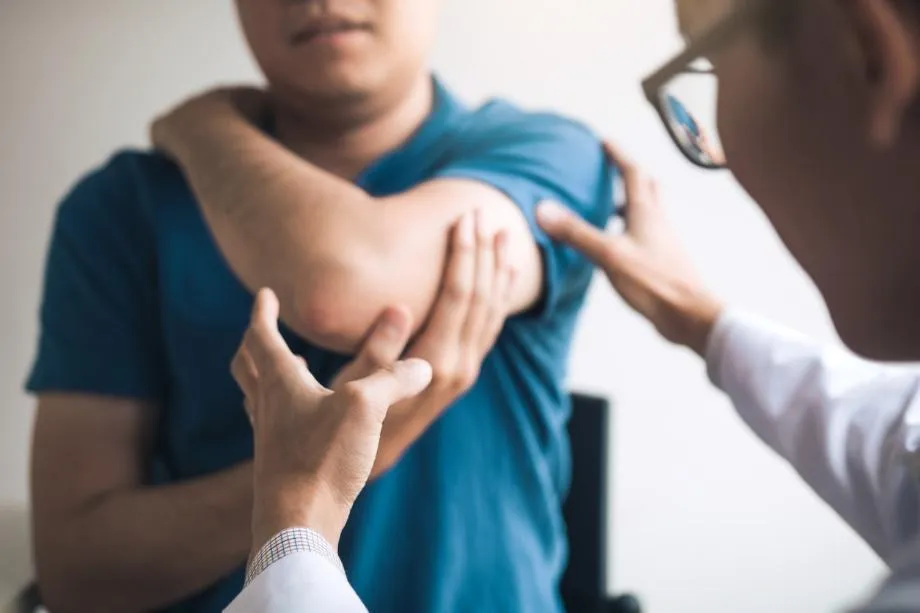
If symptoms do not improve with self-care or if pain significantly affects daily activities, professional treatment may be appropriate.
Rest and Activity Modification
One of the most important aspects of treatment is reducing stress on the affected tendon and avoiding activities that worsen symptoms. Rest provides an opportunity for healing and may ultimately help athletes return to their sport sooner.
During this stage, elbow braces, elbow pads, and elbow straps can help reduce forces transmitted through the elbow while remaining active. Rather than relying solely on rest, combining activity modification with appropriate support may help manage symptoms more effectively.
Physical Therapy
A thorough evaluation and individualized exercise program developed by a physical therapist may help accelerate recovery. Treatment may include manual therapy, strengthening exercises, stretching interventions, and education designed to reduce stress on the elbow. Physical therapists can also provide guidance on selecting an appropriate elbow brace or elbow band for your condition.
If symptoms persist despite self-directed treatment, seeking professional support may improve outcomes and help identify factors contributing to ongoing irritation.
Non-Invasive Medical Treatments
When bracing and physical therapy are not enough and symptoms remain persistent, physicians may recommend non-surgical treatment options. These may include corticosteroid injections, Platelet-Rich Plasma (PRP) injections, or prolotherapy.
These treatments are generally considered when pain has persisted for an extended period and conservative treatment has not provided sufficient improvement. Always consult with a qualified healthcare provider regarding suitability and risks.
Using an Elbow Brace
As discussed throughout this article, elbow braces can be useful at various stages of treatment, including activity modification, symptom management, and return to sport. By helping reduce stress on the affected area, braces can support both daily activities and athletic participation, making them a commonly used option for individuals dealing with tennis elbow or golfer’s elbow.
Recommended Zamst Elbow Brace: Elbow Band
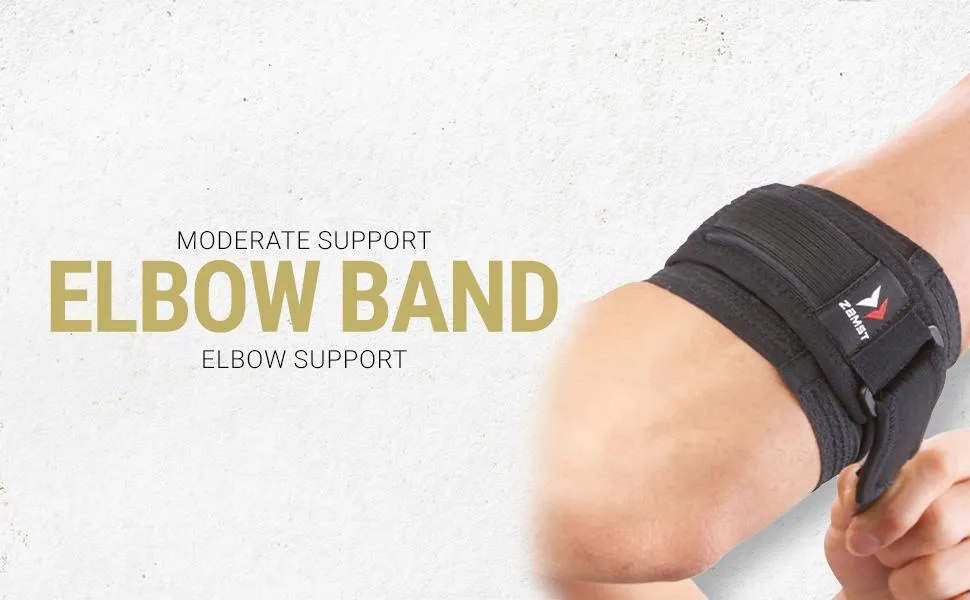
Among the many elbow support options available, the Zamst Elbow Band is specifically designed for individuals dealing with tennis elbow and golfer’s elbow.
Zamst Elbow Band Features and Benefits
The Zamst Elbow Band offers several features that may benefit people experiencing symptoms associated with tennis elbow or golfer’s elbow.
- Helps reduce stress on the elbow
The combination of a compression strap and elbow pad helps reduce stress on the affected area. By adjusting the pad position, the brace can be used on either the inside of the elbow for golfer’s elbow or the outside of the elbow for tennis elbow. This versatility allows a single product to address both conditions. - Comfortable and easy to wear
The brace uses a thin, moisture-wicking fabric that helps maintain comfort during activity. Elastic loops conform to the shape of the arm and move naturally with muscle contraction, helping reduce slipping during sports participation. - Simple one-handed application and adjustment
The design allows users to position the brace easily by sliding it onto the arm and adjusting compression with a hook-and-loop closure. This makes it convenient to use before, during, and after activity.
Both tennis elbow and golfer’s elbow develop when repetitive stress is applied to the tendons where the forearm muscles attach near the elbow. The Zamst Elbow Band is designed to apply targeted compression to this area, helping manage stress at the site of irritation. Because the pad position can be adjusted to support either the inside or outside of the elbow, it may be used for both conditions. This compression-based approach directly addresses the structures involved in the development of tennis elbow and golfer’s elbow.
Purchase here.
Frequently Asked Questions About Elbow Braces
Q. I checked the size chart, but the brace feels too tight. Should I choose a larger size?
A. Zamst braces are designed for sports use and intentionally provide a relatively high level of compression. If you prefer less compression, consider selecting one size larger or choosing an open-style brace that allows for adjustable compression.
Q. Will I become dependent on an elbow brace?
A. No. Elbow braces are designed to provide support when discomfort is present and do not create dependency. If symptoms continue long-term, consider consulting a healthcare professional for proper evaluation and treatment.
Q. Will wearing an elbow brace weaken my muscles?
A. No. Elbow braces are designed to support proper movement and positioning rather than replace normal muscle function. They do not prevent muscles from being used.
In fact, continuing to tolerate elbow pain without appropriate management may lead to compensatory movement patterns and additional discomfort elsewhere in the body. Using an elbow brace appropriately may help you maintain better movement and remain active with greater comfort.
Conclusion
Elbow pain experienced during sports is commonly associated with tennis elbow or golfer’s elbow. If symptoms develop, seeking medical evaluation should always be the first priority. In addition, self-care strategies such as compression, cooling, stretching, and strengthening exercises may help manage symptoms. When appropriate, braces can provide additional support throughout the recovery process.
Taking action early often provides the best opportunity for successful recovery and helps you continue participating in the sports you love for years to come.