Expert-Reviewed: Why Are Braces Important for Injury Prevention? Understanding Injury Risks in Sports and the Role of Braces
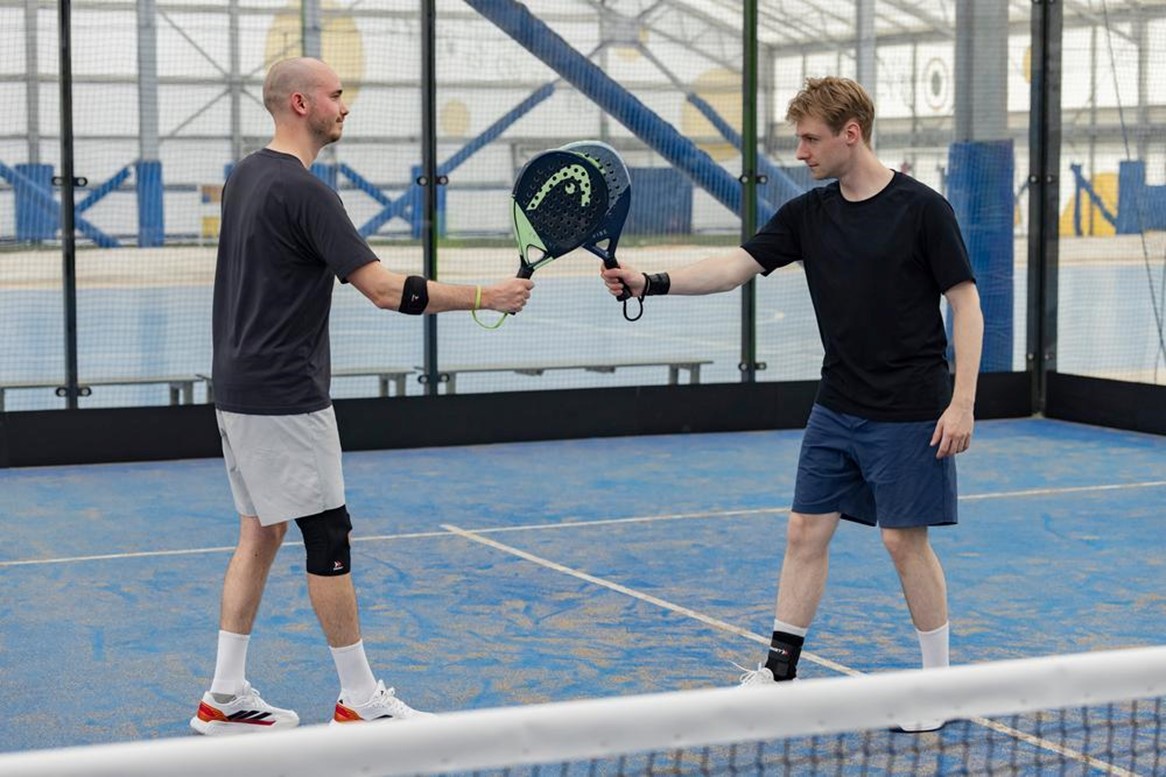
Disclaimer : This article was written by Dr. Evan Jeffries, PT, DPT. This content is provided for general informational purposes only and does not constitute medical advice, diagnosis, or treatment. The information does not guarantee specific results or effectiveness for any particular symptoms or conditions. If you are experiencing persistent symptoms or have concerns about your health, please consult a qualified healthcare professional.
“Won’t wearing a brace make it harder to play the way I want?”
Many athletes and active individuals are interested in preventing injuries but hesitate to wear a brace for this reason. However, whether you play basketball, run, or compete in soccer, the risk of injury is always present. A single injury can reduce performance and keep you away from the activities you enjoy during treatment and recovery.
In this article, based on insights from Zamst partner and physical therapist Dr. Evan Jeffreys (DPT), we’ll explore common injury risks in sports and the important role braces can play in injury prevention. We’ll also introduce Zamst’s unique philosophy, designed to address concerns about restriction and discomfort while providing the support athletes need.
About the Author
Evan Jeffreys, DPT, is a licensed physical therapist who earned his Doctor of Physical Therapy degree from the University of St. Augustine for Health Sciences. He is also the owner of Evolving Motion Physical Therapy and has extensive expertise in musculoskeletal health, helping individuals manage a wide range of orthopedic conditions through proactive healthcare and lifestyle interventions
Injury Risk Is Part of Every Sport
No matter how fit or experienced you are, injury risk can never be completely eliminated from sports. Many athletes think, “It won’t happen to me,” but injuries can affect anyone. Understanding the injury risks associated with different sports is an important first step.
Injury Risks Across Different Sports
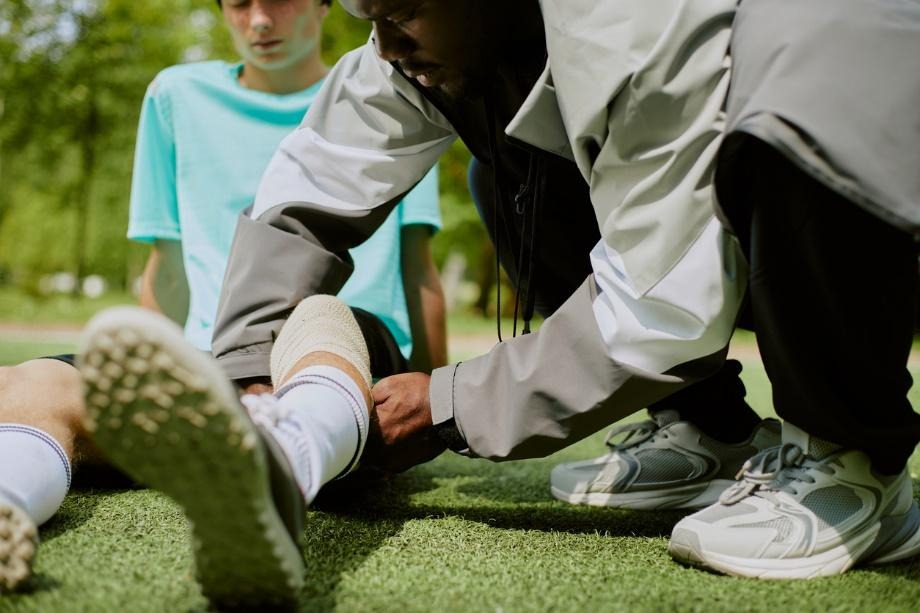
Sports have the power to inspire, entertain, and unify people around the world. Whether you're a professional athlete, a weekend warrior, or a youth participant, one thing is certain: injuries are a part of the game.
The specific risks vary by sport. Soccer demands frequent changes in direction, high-speed sprints, and unpredictable player contact, making ankle sprains and knee ligament injuries, including ACL tears, common concerns. Volleyball, on the other hand, involves explosive jumping, rapid cutting movements, and crowded landings, which place athletes at a particularly high risk for ankle injuries. Different sports create different stresses on the body, resulting in unique injury patterns.
For more on soccer injuries, see“Why Soccer Players Are at Higher Risk for ACL Injury?”
For more on volleyball injuries, see“Jump Higher, Land Safer: Ankle Injury Prevention Tips Every Volleyball Player Should Know.”
For more on basketball injuries, see“Are Ankle Braces Necessary for Basketball? Benefits, How to Choose, and Recommended Products.”
Don't Overlook the Risk of Reinjury
In addition to the initial injury risk, athletes should understand that previous injuries often increase the likelihood of future injuries. Ankle sprains are one of the most common examples.
After an ankle sprain, the ligaments may become stretched, leading to joint instability and a greater chance of reinjury. As a result, wearing an ankle brace when returning to activity can help prevent excessive ligament strain and reduce recurrence risk.
Understanding both injury risk and reinjury risk is essential for anyone participating in sports
Why Braces Are Essential for Injury Prevention
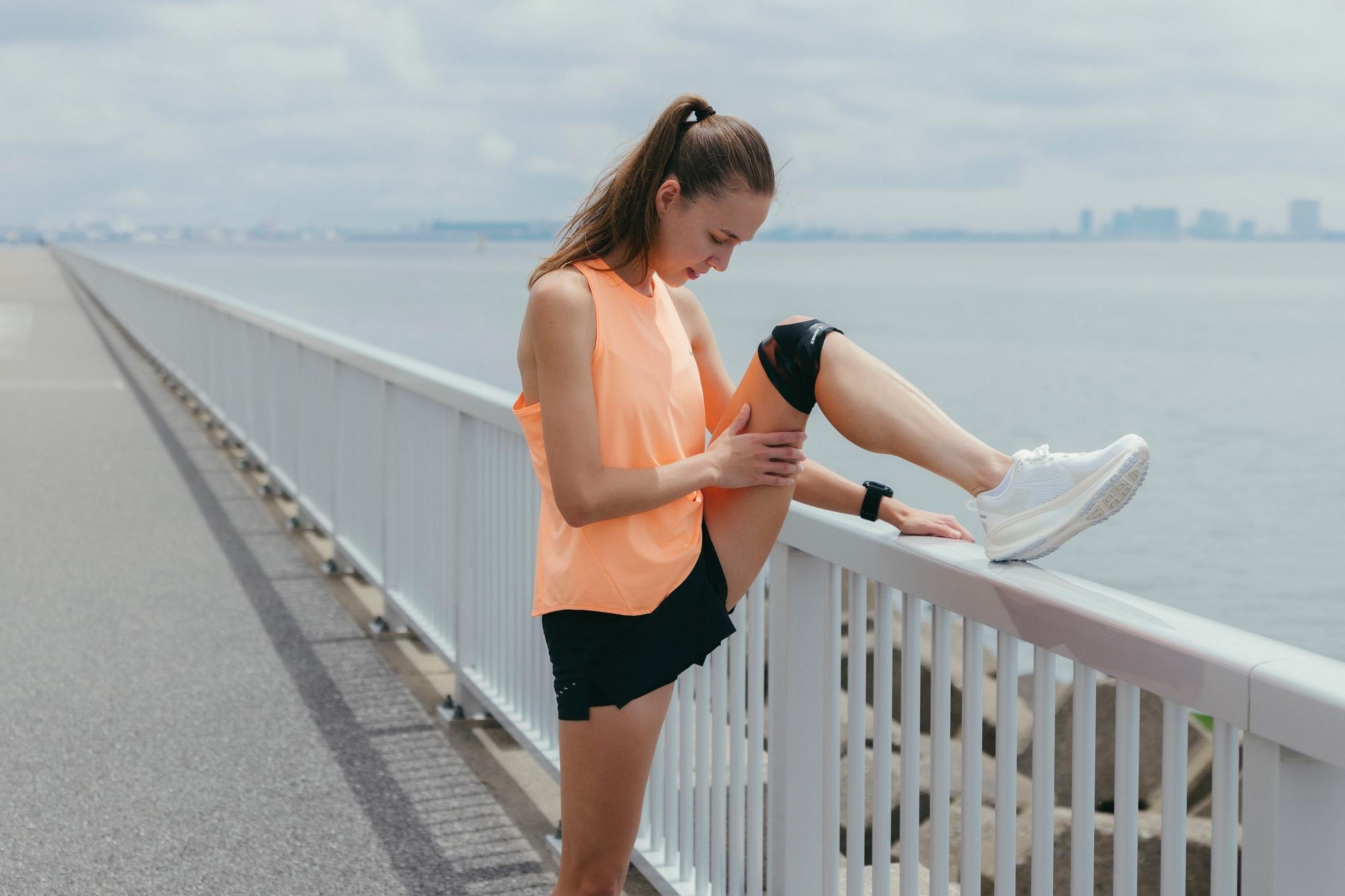
How can athletes address these injury and reinjury risks? One effective strategy is wearing a brace. Braces provide support in several important ways that can help athletes stay active and confident.
Improve Joint Stability
One of the primary functions of a brace is to enhance stability by limiting excessive motion around a joint.
For example, most ankle sprains occur when the ankle rolls excessively inward. An ankle brace can mechanically restrict this movement, reducing stress on the ligaments. This becomes especially valuable during unpredictable situations such as crowded landings, contact plays, or rapid changes in direction, where athletes may not have full control over their body position.
Reduce the Risk of Reinjury
As mentioned earlier, a previous injury can leave ligaments and joints in a less stable condition.
Braces provide external support that helps protect vulnerable structures during recovery and while strength is being rebuilt.
In fact, a 2021 study reported that athletes with a history of mild ankle sprains who used external bracing reduced reinjury rates by up to 47% compared with athletes who relied solely on neuromuscular and proprioceptive training.
Enhance Awareness of Joint Position
Braces may also improve proprioception, which is the body's ability to sense joint position and movement.
By increasing awareness of ankle or knee positioning, a brace can encourage safer foot placement during landings and more controlled cutting, pivoting, and directional changes. This sensory feedback is often overlooked but can play an important role in injury prevention
These benefits demonstrate why braces are valuable tools for reducing injury risk and helping athletes perform with greater confidence.
Why Injury Prevention Matters
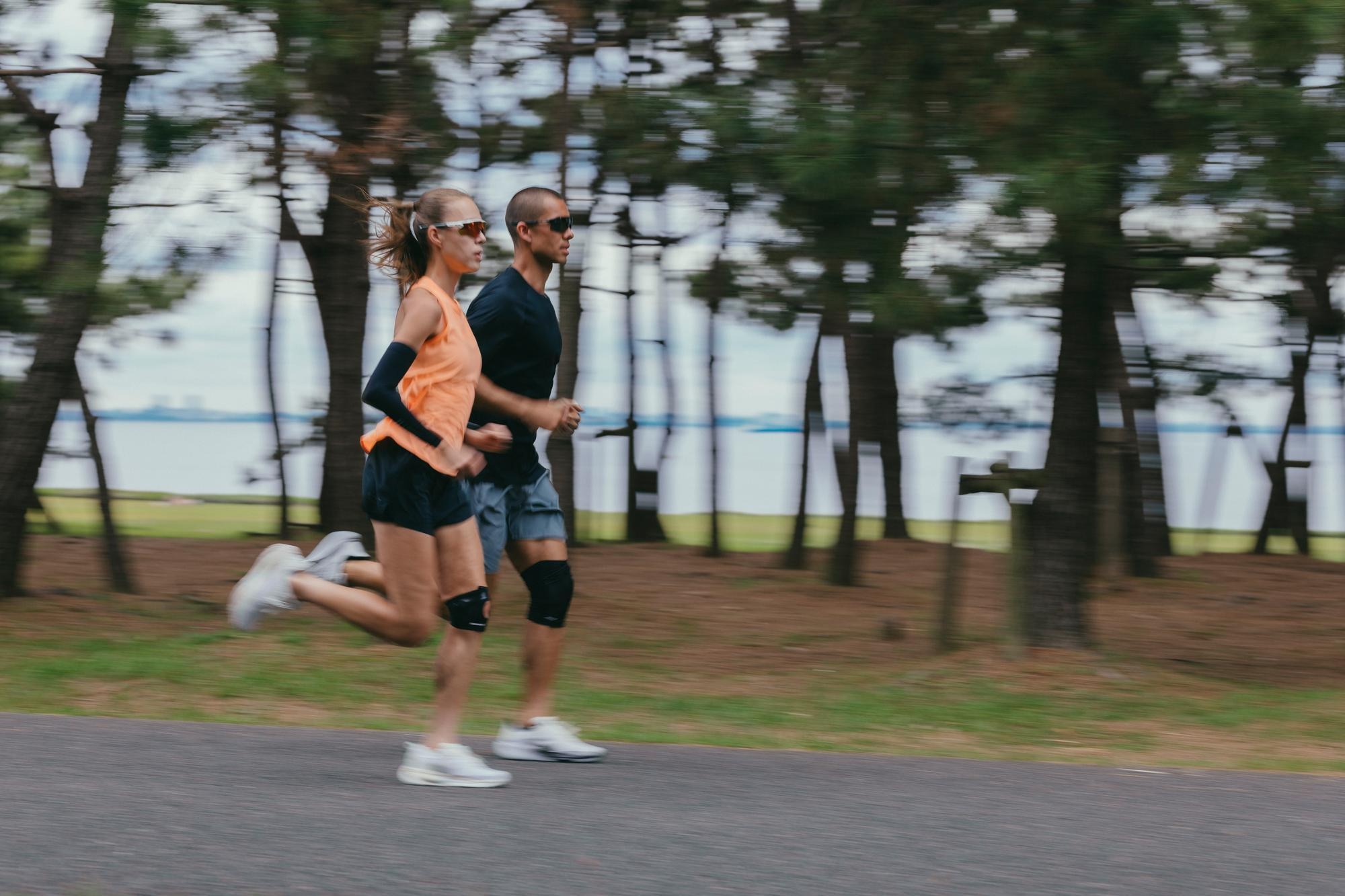
Some athletes may feel that injuries are simply part of sports and can be managed when they occur. However, injury prevention offers benefits that extend well beyond reducing injury risk alone.
Protect Your Athletic Career
One of the clearest reasons to prioritize injury prevention is to help sustain participation in the sports and activities you love.
Serious injuries can shorten athletic careers, limiting opportunities for competition, development, and enjoyment. By reducing the likelihood of major injuries, athletes can continue pursuing their goals for longer while remaining active in their chosen sport.
Improve Performance
One of the primary functions of a brace is to enhance stability by limiting excessive motion around a joint.
For example, most ankle sprains occur when the ankle rolls excessively inward. An ankle brace can mechanically restrict this movement, reducing stress on the ligaments. This becomes especially valuable during unpredictable situations such as crowded landings, contact plays, or rapid changes in direction, where athletes may not have full control over their body position.
Preventing injuries also supports better athletic performance.
When athletes stay healthy, they can train consistently and effectively over longer periods of time. Building resilience through injury prevention efforts allows athletes to continue progressing without interruptions caused by injury setbacks, ultimately supporting improved performance.
Reduce Medical and Rehabilitation Costs
Long-term health should always be a priority.
Sports injuries can result in chronic pain, reduced mobility, and lasting health consequences if not properly addressed. In addition to the physical impact, medical treatment and rehabilitation can create significant financial burdens. By investing in preventive strategies, athletes can reduce both healthcare expenses and the time lost to recovery, freeing more resources for training, competition, and enjoyment of sport.
For more information on the value of injury prevention, see“Why Is Injury Prevention Important?”
To prevent injuries effectively, it is also important to understand how injuries occur. Let's take a closer look at common injury mechanisms affecting the knee and ankle.
Common Knee Injury Mechanisms
The knee supports body weight while performing complex movements such as bending, extending, and changing direction. As a result, it is exposed to substantial forces during sports participation.
Iliotibial Band Syndrome (Runner’s Knee)
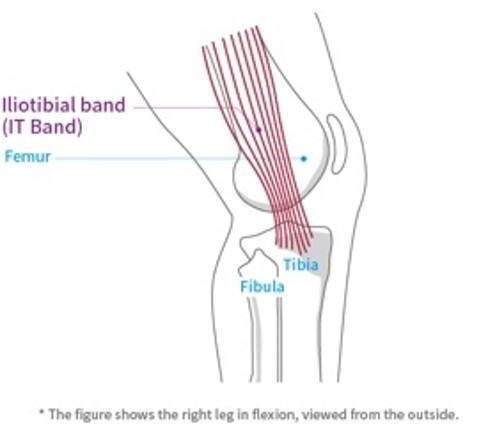
Iliotibial Band Syndrome occurs when the iliotibial band, which runs along the outside of the thigh from the hip to the knee, becomes inflamed due to repetitive overuse. This condition is especially common among runners and cyclists.
For more information, see“Types of Injuries: IT Band Syndrome.”
ACL Injury
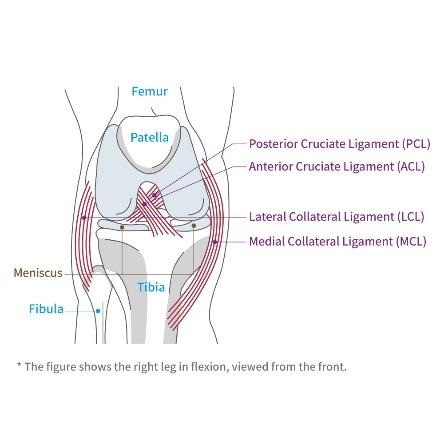
ACL injuries are among the most serious sports injuries, particularly because of their prevalence among athletes and the lengthy recovery required.
An ACL tear occurs when the anterior cruciate ligament, one of the primary stabilizing structures of the knee, is damaged or ruptured. These injuries commonly occur during sudden stops, rapid changes in direction, jumping, or direct impact to the knee. Recovery often requires 9 to 12 months before returning to sports, creating significant physical and psychological challenges for athletes. Female athletes also experience ACL injuries at higher rates than males.
- Learn more in“Types of Injuries: ACL.”
- Learn more in“Why Are ACL Injuries More Common in Females?”
Jumper’s Knee (Patellar Tendinitis)
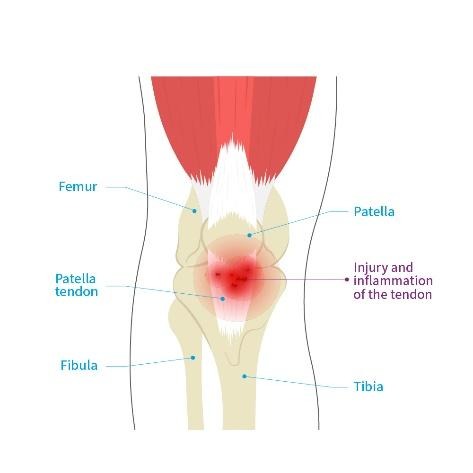
Jumper’s Knee occurs when the patellar tendon becomes inflamed due to overuse.
It is commonly seen in sports such as volleyball, basketball, and track and field, where repetitive jumping, rapid acceleration, and deceleration place significant stress on the tendon. Over time, this repeated loading can lead to pain and inflammation.
For more information, see“Types of Injuries: Patellar Tendinitis (Jumper’s Knee).
Common Ankle Injury Mechanisms
The ankle bears the body's full weight during landing, running, and directional changes, making it one of the most frequently injured regions in sports.
Ankle Sprain
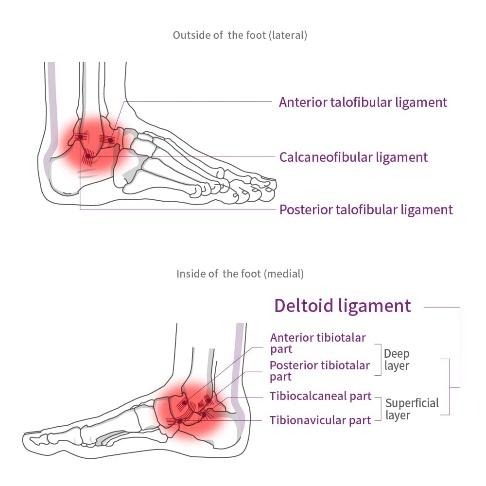
An ankle sprain occurs when the ligaments supporting the ankle are stretched or torn, typically as a result of excessive twisting or rolling motions.
Sports such as basketball and volleyball have particularly high rates of ankle sprains because of the demands created by jumping, landing, and cutting movements. Once an ankle sprain occurs, the risk of future sprains often increases.
For more information, see“Types of Injuries: Ankle Sprain.
High Ankle Sprain

A high ankle sprain involves injury to the ligaments located above the ankle joint and typically requires a longer recovery period than a traditional ankle sprain.
These injuries often occur when significant rotational forces are applied to the ankle and lower leg, such as during sudden direction changes or awkward landings on another player's foot.
For more information, see“Types of Injuries: High Ankle Sprain.”
Understanding these injury mechanisms highlights why targeted support is important for injury prevention.
Zamst’s Unique Philosophy: TRIFORCE TECHNOLOGY
Zamst braces are developed with a unique philosophy called TRIFORCE TECHNOLOGY, which combines three key elements:
- Precision Support
- Optimized Fit
- Dynamic Comfort

Precision Support focuses on stabilizing vulnerable joints without unnecessarily restricting movement. Optimized Fit is designed around biomechanics and anatomy to provide a customized fit that responds to the body's movements. Dynamic Comfort emphasizes lightweight, breathable, and quick-drying materials to promote comfort during extended wear. Together, these elements help athletes perform at their best while maintaining support and comfort.
For example, some ankle braces incorporate structures inspired by taping techniques, while certain knee braces utilize rotational-control features designed to help manage twisting movements. These approaches aim to provide joint support while maintaining freedom of movement and wearer comfort.
How to Choose a Brace for Injury Prevention
Choose Based on Your Sport
Different sports place different demands on the body.
Basketball players often benefit from braces that provide high levels of ankle support during landings and lateral movements, while soccer players may prefer lighter, lower-profile options that allow unrestricted speed and agility.
Understanding the movement patterns and injury risks associated with your sport can help you choose the most appropriate brace.
Choose Based on How You'll Use It
Your intended use also matters.
For competitive play, many athletes prefer braces that provide secure support and resist slipping during intense movement. For everyday use or rehabilitation, lightweight designs that are easy to wear for longer periods may be more practical.
Choose Based on Support Level
Braces are available in various support levels depending on your needs.
- Light Support: Daily prevention and minor discomfort
- Moderate Support: Previous injuries or mild instability
- Maximum Support: Significant injuries or chronic instability
Selecting the right level of support helps ensure protection without unnecessarily restricting movement.
Injury Prevention FAQ
Q. Can an ankle brace actually help prevent ankle sprains?
Ankle braces help support the joint by limiting excessive motion in situations where sprains commonly occur. Research has shown meaningful benefits, especially for athletes with a history of ankle sprains. However, braces should be viewed as one component of a broader injury prevention strategy rather than a complete solution.
Q. Should runners wear knee braces for prevention?
Routine brace use is generally not recommended for healthy runners who have no symptoms or injury history. Running-related injuries are influenced by many factors, including training volume, biomechanics, and strength levels. However, runners with previous injuries or feelings of instability may benefit from brace use.
Q. Who should consider wearing a brace during sports?
Braces are particularly beneficial for athletes with a history of injury, since previous injuries are among the strongest predictors of future injury. They may also be valuable for athletes returning to play and participants in sports that involve frequent jumping, landing, and rapid directional changes.
For additional guidance from Dr. Evan on brace selection, timing, and usage, please visit our FAQ page.
Conclusion: Make Braces Part of Your Injury Prevention Strategy
Injuries are an unavoidable part of sports, but proactive prevention can make a significant difference. Protecting yourself from injury helps preserve athletic participation, supports performance development, and reduces the physical, emotional, and financial burdens associated with recovery.
Braces can play an important role in that process by improving stability, reducing reinjury risk, and helping athletes perform with greater confidence. By choosing a brace that matches your sport, activity level, and support needs, you can take an important step toward staying healthy and enjoying the sports you love.