
Blog: How to Prevent Injuries in Racket Sports | Causes, Prevention Strategies, and How to Choose the Right Brace by Body Part
Disclaimer : This article was written by Dr. Evan Jeffries, PT, DPT. This content is provided for general informational purposes only and does not constitute medical advice, diagnosis, or treatment. The information does not guarantee specific results or effectiveness for any particular symptoms or conditions. If you are experiencing persistent symptoms or have concerns about your health, please consult a qualified healthcare professional.
Racket sports such as tennis, badminton, squash, pickleball and padel are fun and dynamic ways to stay active. However, without proper care, they also carry a risk of injury. By understanding the movements that commonly lead to injuries and adopting appropriate preventive strategies, you can continue enjoying these sports safely for years to come.
In this article, based on the clinical insights of Zamst partner and physical therapist Dr. Evan Jeffries (DPT), we explain common racket sports injuries by body part, along with practical prevention tips and guidance on choosing the right braces.
________________________________________
About the Author
Evan Jeffries is a physical therapist with a Doctorate in Physical Therapy (DPT) from the University of St. Augustine for Health Sciences. He is the owner of Evolving Motion Physical Therapy and has extensive experience treating orthopedic conditions through a proactive approach to healthcare and lifestyle.
________________________________________
Common Injuries in Racket Sports
Racket sports are often considered lifelong sports, suitable for players of all ages. At the same time, they are commonly associated with the following injuries:
• Knee discomfort or instability
• Ankle and wrist sprains
• Lateral elbow pain (tennis elbow)
In tennis, for example, studies show that approximately two thirds of injuries are caused by overuse, while the remaining third result from traumatic or acute injuries. Similar injury patterns are seen across racket sports.
Why Injuries Occur Frequently in Racket Sports
Rapid Direction Changes and Sudden Stops
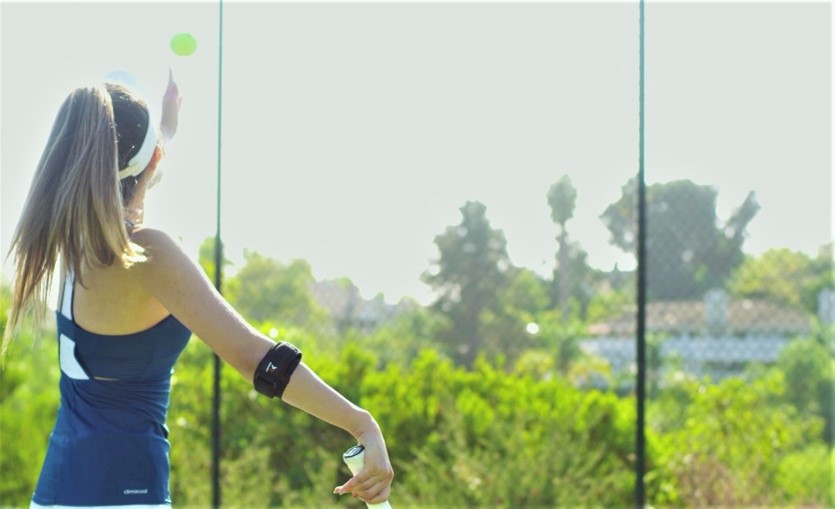
Racket sports require players to react instantly to an opponent’s shot, moving side to side or stopping abruptly from a sprint. These movements place significant stress on the knees, ankles, and hips. Without proper warm up, the body may not be prepared for such high loads, increasing injury risk.
Repetitive Use of the Forearm
Because play involves repeated gripping and swinging motions, constant stress is placed on the wrist, elbow, and forearm muscles. Forceful or technically difficult shots further increase this load. Recreational players, in particular, may jump into intense play without sufficient preparation, leading to overuse injuries over time.
Understanding these injury mechanisms is essential for effective prevention.
Injury Prevention by Body Part
Knee
In racket sports, frequent lateral steps and quick cutting movements apply both rotational stress and impact to the knee joint. This puts strain on structures such as the meniscus and ligaments, especially the ACL and MCL. From the 40s onward, reduced mobility, muscle strength, and joint resilience make knee problems more likely.
Common symptoms
• Discomfort on the inner or outer knee during or after play
• A feeling that the knee may “give way”
• Warmth or mild swelling after activity
Prevention tips
Proper warm up is essential. Begin with light jogging, followed by dynamic stretches such as lunges and standing or seated stretches to warm the hips, thighs, and calves together. This prepares the knee for sudden, high impact movement.
In addition, wearing a knee brace can help reduce excessive movement and external stress during play.
Ankle
Ankle sprains are among the most common racket sports injuries, often occurring during sudden direction changes. Most are inversion sprains, where the ankle rolls inward forcefully.
Common symptoms
• Discomfort on the outer side of the ankle when landing
• Difficulty standing or bearing weight
• Swelling around the ankle
Prevention tips
Balance training is highly effective for ankle injury prevention. Using balance boards or single leg exercises improves proprioception and strengthens not only the ankle, but also the knee, hip, and core.
Strength exercises such as calf raises further improve ankle stability. Wearing an ankle brace can also help reduce injury severity if a sprain occurs.
Elbow
Lateral epicondylitis, commonly known as tennis elbow, occurs due to repeated use of the forearm muscles and tendons. Although named after tennis, it is also common in badminton and padel.
Common symptoms
• Discomfort near the bony area on the outside of the elbow
• Difficulty gripping objects or twisting motions
Prevention tips
Improving flexibility in the forearm and shoulder region helps reduce tendon load. Stretching before and after play should be part of your routine.
Wearing an elbow band during play can help disperse force away from the tendon and reduce strain.
Wrist
Forceful shots and repeated gripping place continuous stress on the wrist. Over time, this may lead to sprains or repetitive strain injuries.
Common symptoms
• Discomfort when swinging the racket
• Stiffness or grinding sensations when rotating the wrist
Prevention tips
Grip strength training is key for wrist injury prevention. Exercises using dumbbells or grip trainers improve endurance and help maintain stable racket control during long matches.
Wrist braces and bands stabilize the joint while maintaining necessary mobility, helping prevent both acute and overuse injuries.
Benefits of Using Braces
Stretching and strength training are essential, but braces provide real time external support during play.
Stabilizing Excessive Movement
Braces limit unwanted motion while allowing necessary sport specific movement. For example, ankle braces restrict risky inward rolling while still allowing quick directional changes.
Providing Confidence During Play
Wearing a brace often provides peace of mind, especially after a previous injury. This psychological reassurance helps players move more naturally instead of compensating and placing stress on other areas.
Three Key Points When Choosing a Brace
Choose Based on Support Level
Support needs vary from light assistance for mild discomfort to firm fixation for instability or post injury phases. Select a level that matches your symptoms.
Choose Based on Mobility
Higher support often means more restriction. In racket sports, minimal restriction with sufficient protection is usually ideal.
Choose Based on Comfort and Fit
Breathability, secure fit, and resistance to slipping are essential, especially during long matches with heavy sweating.
Recommended Zamst Braces by Body Part
Knee Braces 【ZK-Protect / ZK-Motion / ZK-X】
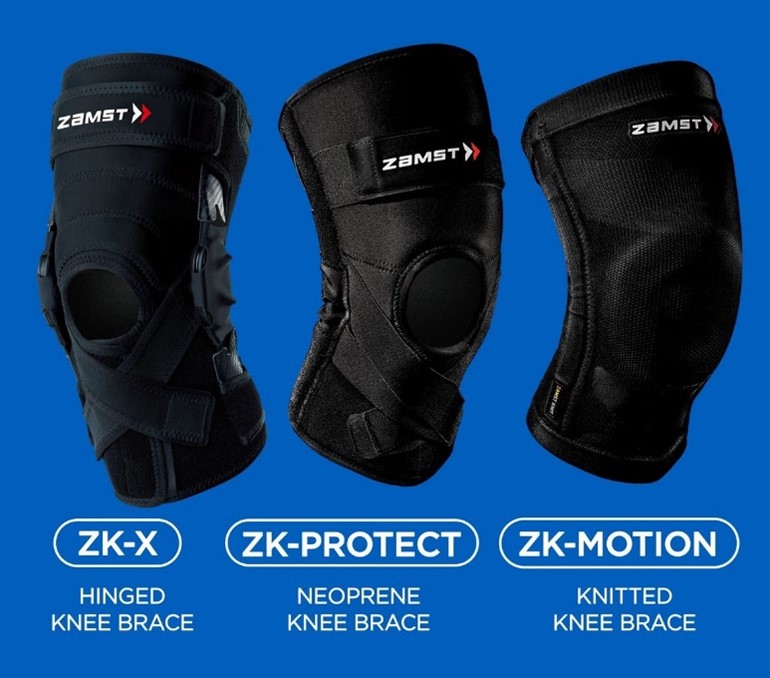
To support the knees during lateral movement and sudden stops common in racket sports, the following options are recommended.
For Firm Stabilization|ZK-Protect
ZK Protect provides the strongest stabilization in the ZK series, firmly supporting the knee in multiple directions. Shape fit pads apply compression around the kneecap to protect the entire joint. Breathable materials ensure comfort even during extended play—ideal for those returning from injury.
For Stability with Mobility|ZK-Motion
Designed for players who want support without excessive restriction, ZK Motion balances fixation and freedom of movement. It supports twisting and lateral instability while allowing natural motion.
For Maximum Fixation with Hinges|ZK-X
ZK X features a hinged structure and is recommended for players needing stronger fixation, such as during rehabilitation after ligament injuries or high intensity play involving aggressive movement.
Ankle Braces 【Filmista Ankle / A1 Ankle Brace / A2 DX】
Light Support|Filmista Ankle
Thin and lightweight, Filmista Ankle provides gentle support while minimizing movement restriction. Its taping theory design helps control inversion without interfering with performance.
Moderate Support|A1 Ankle Brace
A balanced option for those concerned about recurrence after a sprain. A1 offers reliable stabilization while remaining comfortable for regular play.
Strong Support|A2 DX
The strongest ankle brace in the Zamst lineup, A2 DX is recommended for players with significant instability or during return to play phases after ligament injury. It offers excellent fixation, stability, and breathability.
Elbow Brace 【Zamst Elbow Band】
For Reducing Elbow Load|Zamst Elbow Band
Designed to reduce vibration and stress on the elbow, this compact band is easy to wear and highly breathable. Suitable for both prevention and ongoing elbow discomfort.
Wrist Braces 【Filmista Wrist / Zamst Wrist Band】
Lightweight Support|Filmista Wrist
Thin and flexible, Filmista Wrist controls excessive movement while maintaining comfort and mobility, allowing players to perform as usual.
Firm Support|Zamst Wrist Band
With its twin strap design, this wrist band allows adjustable compression and strong fixation. Anti slip features provide stability even during long matches.
Frequently Asked Questions About Braces
Q. Is it okay to wear braces throughout play?
Wearing braces during play is generally fine. However, excessive reliance outside of activity may contribute to reduced muscle use. Remove braces during rest and recovery periods.
Q. Can braces be washed?
Most braces are machine washable, but care instructions vary by product. Always check the manufacturer’s guidelines.
Final Thoughts: Enjoy Racket Sports Safely for the Long Term
Most racket sports injuries develop gradually through accumulated stress rather than occurring suddenly. By understanding which body parts are most vulnerable and combining proper preparation with appropriate braces, you can continue playing safely without sacrificing performance.
With the right care, racket sports can truly be enjoyed for a lifetime. Start with small preventive steps today and protect the areas most important to your game.


