Case Study: How Fysiofitaal Integrates ZAMST Knee Braces Throughout ACL Rehabilitation
Introduction
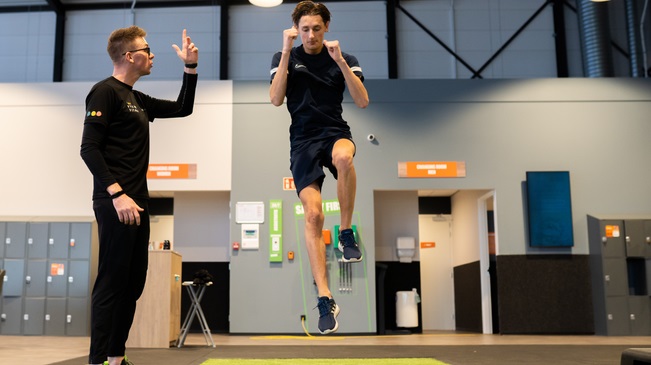
Recovering from an ACL injury involves much more than tissue healing alone. Successful rehabilitation requires a combination of physical recovery, progressive loading, confidence building, and evidence-based decision making.
To understand how knee braces can support athletes throughout different stages of rehabilitation, we spoke with Kevin Van Geel, MSc, founder of Fysiofitaal, a leading sports physical therapy clinic specializing in ACL rehabilitation.
Drawing from years of experience and more than 100 ACL rehabilitation cases annually, Kevin shared two examples demonstrating how different ZAMST knee braces can be integrated into the recovery process.
About Fysiofitaal
Fysiofitaal is a Dutch rehabilitation practice specializing in orthopedic injuries of the lower extremities, with particular expertise in knee injuries and ACL rehabilitation.
The clinic is known for applying the latest scientific evidence alongside a data-driven rehabilitation approach, ensuring that return-to-sport decisions are guided by objective performance measures rather than timelines alone.
About Kevin Van Geel
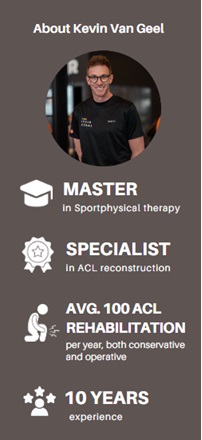
- 10+ years of experience
- Master's specialization in Sports Physical Therapy
- Approximately 100 ACL rehabilitation cases per year
- Specialist in ACL rehabilitation
As Kevin explains:
"After ACL reconstruction, it's important that we are more of a coach than a physical therapist. We guide our clients through the process and support them at every step of the journey."
Patient A: Pre-Surgery Phase
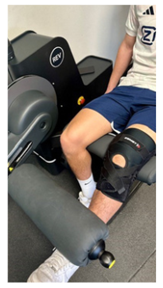
- Patient Condition : The patient sustained an ACL injury combined with an MCL injury during a soccer match.
- Patient Concern : The patient was concerned about permanent instability if the MCL did not heal properly.
When Was the Brace Recommended?
Before the exact nature of the injury was confirmed and before the patient consulted an orthopedic surgeon for diagnostics, a ZAMST brace was utilized to support the MCL.
Why Was a Brace Recommended?
Literature indicates that bracing the MCL for six weeks, initiated within two weeks after injury, leads to significant recovery of the ligament.
Recommended Brace |
ZAMST ZK-X Hinged Knee Brace
The ZK-X was selected because its rigid hinged construction provides strong medial and lateral stabilization, helping to protect the healing structures around the knee.
Additional Rehabilitation Protocol
In addition to the bracing protocol, prehabilitation was initiated with a focus on achieving full knee extension and maintaining overall muscle strength prior to surgery.
Patient B: Late Rehabilitation Phase
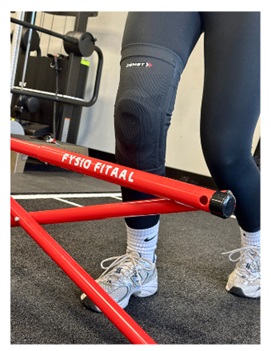
- Patient Condition : The patient sustained an ACL injury and hoped to return to skiing after 12 months. However, participation in the sport had stopped due to psychological factors.All test results were excellent, indicating that skiing without a brace should be feasible.
- Patient’ Concern : The patient felt apprehensive and found skiing intimidating.
Why Was a Brace Recommended?
To help address the patient's psychological concerns.
Recommended Brace |
ZAMST ZK-Motion Knee Brace
The ZK-Motion was selected for its comfortable knitted construction and supportive design, allowing the athlete to maintain mobility while feeling more secure during activity.
Additional Rehabilitation Protocol
In addition to ongoing rehabilitation, the patient is also participating in a program with a sports psychologist.
Kevin's Comments
"The psychological aspect is crucial, and identifying and addressing it is essential to help the patient progress in the recovery process. Research shows that reduced psychological readiness increases the risk of re-rupture."
Conclusion
These two cases demonstrate how knee braces may be incorporated at different stages of ACL rehabilitation.
In the pre-surgery phase, bracing was used to support an associated MCL injury and facilitate recovery prior to surgery. In the later stages of rehabilitation, bracing was utilized to help address psychological factors that can influence an athlete's return to sport.
As these cases illustrate, successful ACL rehabilitation requires consideration of both physical and psychological factors throughout the recovery journey.