ZAMST ZW-5 (Lower back support)





ZAMST ZW-5
Standard support for stability and ease of movement
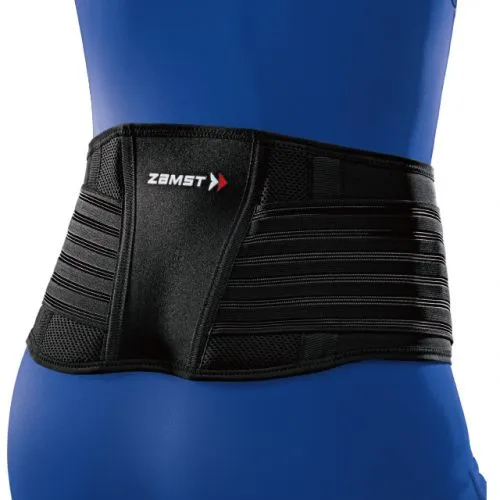
Supporting movements with freedom of movement and stability during sports. The 3D back panel provides good level of stability and comfortable fit.
Recommended For
・Athletes experiencing mild to moderate lower back discomfort
・Athletes seeking lower back stability without restricting movement
・Individuals returning to sports and physical activity
・Athletes looking for comfortable everyday lower back support
・Active individuals seeking additional support during exercise
Ideal For
・Managing mild to moderate lower back discomfort
・Supporting lower back stability during physical activity
・Reducing lower back strain during repetitive movement
・Everyday exercise and recreational sports
・Long periods of standing or movement

Product Description
Sterically stabilize with the 3D back panel
With the part made of EVA resin that reproduces the shape of the lower back based on the 3D anthropometric measurement data (*), the product realizes both high level of stability and comfort fit.
* Database independently investigated by 3D measuring machine.
Support widely on the lower back
A 3D backpanel attached to the back of the main body widely provides support and enhances stability on the lower back.
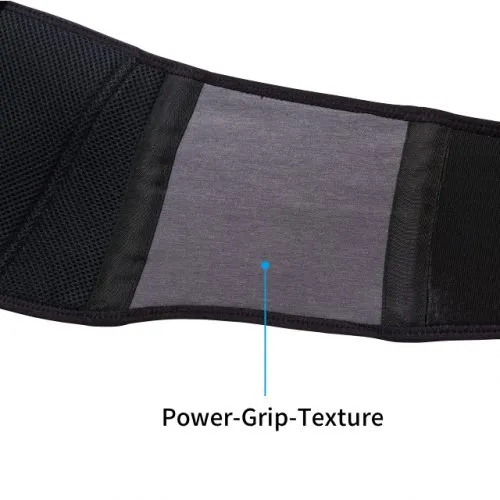
Power-grip-texture for suppression of upward slip during sports
The fabric utilizing distinctive grip feature of urethane suppresses sliding upward while it keeps low-profile and breathability.
Comfortable fit
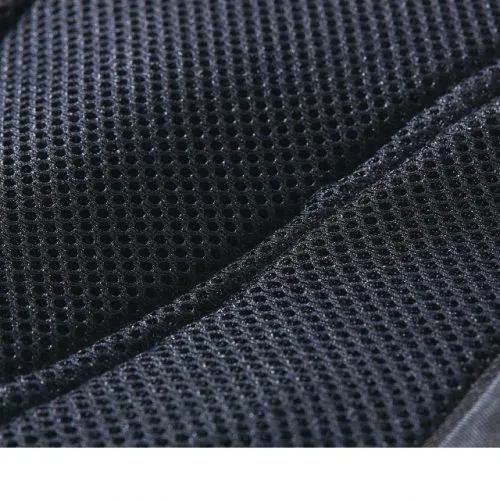
Use a three-dimensional mesh material with soft, reasonable thickness and sufficient breathability. Provide comfortable fit without getting humid during sports.
Easy-to-use integrated assistive belt
The assistive belt enhances the effect of abdominal pressure elevation. The assistive belt is integrated into the main body allows easy application without placing the strain on the lower back.
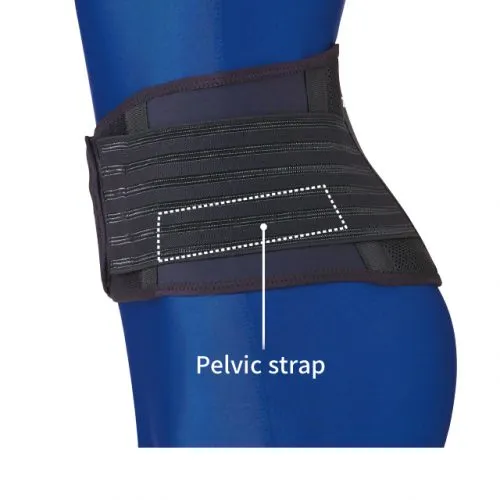
Firm stabilization on the pelvis
Firmly secure the pelvis with the pelvis strap attached to the elastic part of the main body.
Customer Testimonials

“Purpose of Use (Brace): Injury Prevention
Male, 40s. I had been using the ZW-7 before (and still do). Its strong support has been incredibly helpful for managing my lower back pain, and I have been very satisfied with it. If I had to point out one drawback, it would be that the pads are quite rigid and sometimes caused chafing during my trail runs and marathons.
To address that issue, I decided to purchase the ZW-5. The result was exactly as the title says. I used it during a trail run that lasted about 10 hours, and the balance between the level of support and the size of the pads was excellent. It provided solid support for my lower back without causing any chafing.
Going forward, I plan to use the ZW-5 for trail running and marathons, and continue using the ZW-7 for everyday activities.”
“I wore this brace during the Tokyo Marathon. It stayed securely in place throughout the race, and I did not experience any discomfort from heat or moisture buildup. Most importantly, it allowed me to run with confidence and finish the race without worrying about my back pain.”
“I had previously purchased the same brace.
I wear it when playing tennis, and I really like how it stays in place even during intense movements. It provides great support for my lower back and allows me to play much more comfortably.”
Size Chart
Measure the circumference of your natural waist at the navel. If your measurement falls between two sizes, choose the larger one.

Size
SS
S
M
L
LL
3L
Circumference of the waist for JP/Asia model
55 - 65 cm
65 - 75 cm
75 - 85 cm
85 - 95 cm
95 - 105 cm
105 - 115 cm
Circumference of the waist for US/EU model
65 - 75 cm
(25.5 - 29.5 inches)
75 - 85 cm
(29.5 - 33.5 inches)
85 - 95 cm
(33.5 - 37.5 inches)
95 - 105 cm
(37.5 - 41.25 inches)
105 - 115 cm
(41.25 - 45.25 inches)
115 - 125 cm
(45.25 - 49.25 inches)
scroll to the right
Instruction


FAQ for this product

The use of a lower back brace may be used outside of exercise. Wearing a brace can increase pressure on the abdomen, stabilize the lower back, and lighten the burden on the muscles that maintain posture for long periods by using the back support (stay). However, over a long time, the pressure on the abdomen may become painful or uncomfortable due to slippage or steam, so please take off the brace during breaks and do light flexibility exercises to relax your back as needed.
Most braces are machine washable. After washing, hang them to dry in the shade. Please avoid washing with light-colored items, as colors may fade or transfer to other fabrics. When washing with other clothes, use a laundry net to prevent fraying or streaking. *Hand washing is recommended for some products. Please refer to the instruction manual for specific details (instruction manuals are also available on each product page of the Zamst website).
First, ensure you have the correct size and follow the instructions in the manual for proper application. Be cautious not to tighten it too much, as excessive tightness can lead to congestion.
If the size is borderline, we recommend the larger size.
From Dr. Evan Not necessarily. One of the biggest mistakes I see is athletes assuming they're fully recovered just because the pain has gone away. Pain is only one piece of the puzzle. Before I recommend discontinuing a brace, I want to see good strength, balance, confidence, and sport-specific movement. Can you jump, cut, sprint, and land without hesitation? That's what matters. Many athletes feel fine before their body is truly ready for the demands of competition. In most cases, I recommend gradually reducing brace use rather than stopping all at once. The goal is to make sure you're not only pain-free but also physically prepared to handle your sport safely.
From Dr. Evan As a sports physical therapist, I don't believe everyone needs a brace. But there are situations where a brace can be a smart tool. If you had just had an acute injury such as an ankle sprain or knee sprain a brace is a great tool during the protection phase to reduce the risk of further injury and provide stability and comfort. In my clinic, I often see athletes wait until they've been injured multiple times before thinking about prevention. A brace can provide an extra layer of protection during high-risk activities while you're continuing to build strength, balance, and movement control. The goal isn't to rely on the brace—it's to use it strategically to help keep you healthy and performing at your best.
Evan Jeffries, PT, DPT, MS
EVAN JEFFRIES is a physical therapist with a Doctorate in Physical Therapy (DPT) from the University of St. Augustine for Health Sciences. He has vast knowledge of the musculoskeletal system and has treated many orthopedic conditions by bringing a proactive approach to healthcare and lifestyle.