ZAMST Finger Wrap [Single]
%20(1).webp)
ZAMST Finger Wrap [Single]
For support after sprained finger
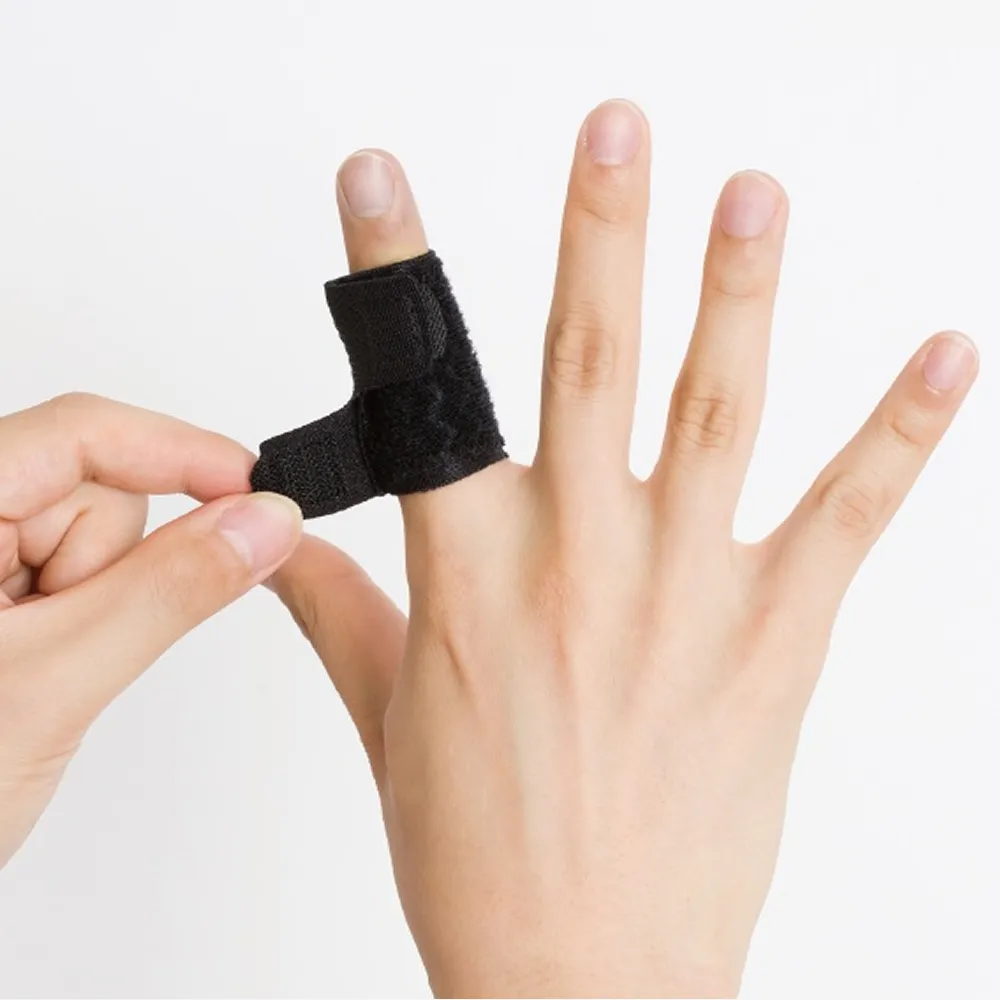
Firmly stabilize with a thin material. The urethane film applied inside and outside of the product is designed to suppress slip and prevent the ball from slipping. The product is easier to apply than the athletic tape by simply placing fingers and wrapping a strap.

Product Description
Proper stabilization with thin fabric
With a combination of the elastic fabric and urethane film, it realizes thineess and proper stability.
Easier to apply than the athletic tape
Simple application by wrapping strap with your finger. Proper fit with double-crossing strap.
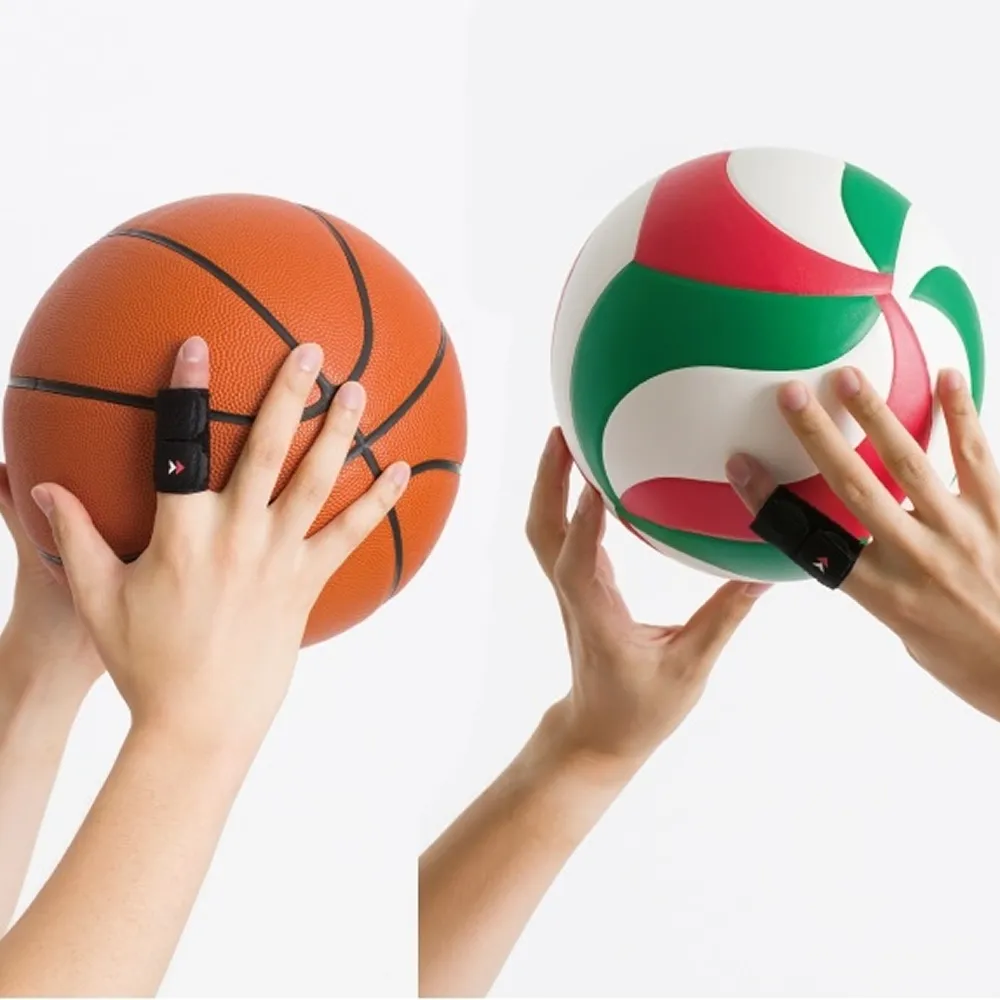
Urethane film for anti-slip function
The urethane film applied inside and outside the product prevents slipping off while in motion and throwing a ball.
Size Chart
Measure the circumference of the finger to support. Measure the circumference of the second joint of your finger at its widest part. If your measurement falls between two sizes, choose the larger one. For multiple fingers, measure the circumference of each finger and select the proper size.
![Finger Wrap [Double] chart](https://cdn.prod.website-files.com/65cd6fc0bb76f74aaf3403ea/660275f9328fe5bc9865f2ff_finger-wrap-double_chart.webp)
Size
S
M
L
The circumference of the finger
4.1 - 5.3 cm
5.3 - 6.5 cm
6.5 - 7.7 cm
Recommended Products

ZAMST Bodymate Palm
For light compression and protection of the wrist to palm

ZAMST Bodymate Thumb
For light compression and protection of the thumb

ZAMST Finger Wrap [Double]
For support after sprained finger

ZAMST Thumb Guard Soft
Easy compression on the entire thumb

ZAMST Thumb Guard
Assure stability and fitness to the entire thumb
FAQ for this product

Most braces are machine washable. After washing, hang them to dry in the shade. Please avoid washing with light-colored items, as colors may fade or transfer to other fabrics. When washing with other clothes, use a laundry net to prevent fraying or streaking. *Hand washing is recommended for some products. Please refer to the instruction manual for specific details (instruction manuals are also available on each product page of the Zamst website).
First, ensure you have the correct size and follow the instructions in the manual for proper application. Be cautious not to tighten it too much, as excessive tightness can lead to congestion.
If the size is borderline, we recommend the larger size.
From Dr. Evan Not necessarily. One of the biggest mistakes I see is athletes assuming they're fully recovered just because the pain has gone away. Pain is only one piece of the puzzle. Before I recommend discontinuing a brace, I want to see good strength, balance, confidence, and sport-specific movement. Can you jump, cut, sprint, and land without hesitation? That's what matters. Many athletes feel fine before their body is truly ready for the demands of competition. In most cases, I recommend gradually reducing brace use rather than stopping all at once. The goal is to make sure you're not only pain-free but also physically prepared to handle your sport safely.
From Dr. Evan As a sports physical therapist, I don't believe everyone needs a brace. But there are situations where a brace can be a smart tool. If you had just had an acute injury such as an ankle sprain or knee sprain a brace is a great tool during the protection phase to reduce the risk of further injury and provide stability and comfort. In my clinic, I often see athletes wait until they've been injured multiple times before thinking about prevention. A brace can provide an extra layer of protection during high-risk activities while you're continuing to build strength, balance, and movement control. The goal isn't to rely on the brace—it's to use it strategically to help keep you healthy and performing at your best.
Evan Jeffries, PT, DPT, MS
EVAN JEFFRIES is a physical therapist with a Doctorate in Physical Therapy (DPT) from the University of St. Augustine for Health Sciences. He has vast knowledge of the musculoskeletal system and has treated many orthopedic conditions by bringing a proactive approach to healthcare and lifestyle.