Blog: Pain on the Outside of Your Knee? It Could Be a Sign of Runner’s Knee. Causes, First Aid, and Prevention Tips

Disclaimer : This article was written by Dr. Evan Jeffries, PT, DPT. This content is provided for general informational purposes only and does not constitute medical advice, diagnosis, or treatment. The information does not guarantee specific results or effectiveness for any particular symptoms or conditions. If you are experiencing persistent symptoms or have concerns about your health, please consult a qualified healthcare professional.
Pain on the outside of your knee may be a sign of Iliotibial Band Syndrome (Runner’s Knee). Learn about the causes, warning signs, first-aid measures, and prevention strategies, along with tips for choosing a knee brace and information about the Zamst RK-1 Plus.
Have you ever felt a sharp pain on the outside of your knee after your usual workout? In sports that involve repetitive bending and straightening of the knee, such as running and cycling, you may develop Iliotibial Band Syndrome (IT Band Syndrome), commonly known as Runner’s Knee, which causes pain on the outside of the knee. If left untreated, it can become persistent and may even affect your daily life.
In this article, based on insights from expert physical therapist Dr. Evan Jeffries, we explain the causes of pain on the outside of the knee, signs that indicate you should see a doctor, first-aid measures, and strategies to prevent recurrence. We will also introduce how to choose a knee brace and recommend a product that may help reduce stress on the knee.
About the Author
Evan Jeffries, DPT, is a licensed physical therapist who earned his Doctor of Physical Therapy degree from the University of St. Augustine for Health Sciences. He is also the owner of Evolving Motion Physical Therapy and has extensive expertise in musculoskeletal conditions, helping individuals recover through a proactive approach to healthcare and lifestyle management
What Causes Pain on the Outside of the Knee?
There are several possible causes of pain on the outside of the knee. One of the most common conditions among runners and active individuals is Iliotibial Band Syndrome (IT Band Syndrome).
Iliotibial Band Syndrome (Runner’s Knee)
IT Band Syndrome is a common overuse injury affecting the iliotibial (IT) band. The IT band is a thick band of connective tissue running from the hip to the knee along the outer portion of the thigh. This type of injury can become persistent and may even interfere with daily activities if left untreated.
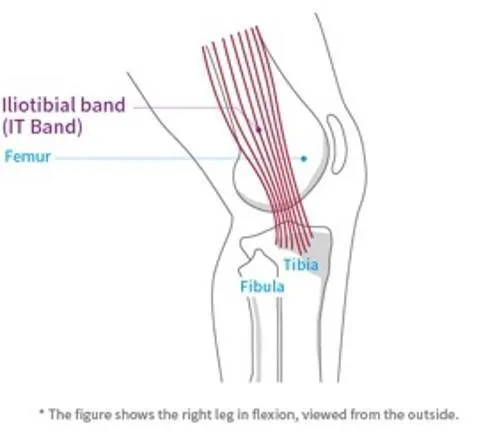
Symptoms of IT Band Syndrome may include:
- Pain and tenderness on the outside of the knee
- A popping or snapping sensation around the knee
- Increased pain when running downhill
When the IT band becomes tight or inflamed, physical activity can become painful.
Common contributing factors include:
- Excessive running volume or repetitive activity
- Poor exercise biomechanics
- Limited flexibility in the hip flexors, tensor fasciae latae (TFL), and gluteal muscles
- Weakness in the hips and gluteal muscles
- Inadequate warm-up
- Improper footwear
The IT band acts as a stabilizer for the knee, and excessive use can lead to discomfort and pain. Recovery time varies depending on activity level, treatment, and how proactively the condition is managed. In some cases, symptoms may last from several weeks to several months.
For more information about IT Band Syndrome, please visit “Types of Injuries: IT BAND SYNDROME.”
When Should You See a Doctor?
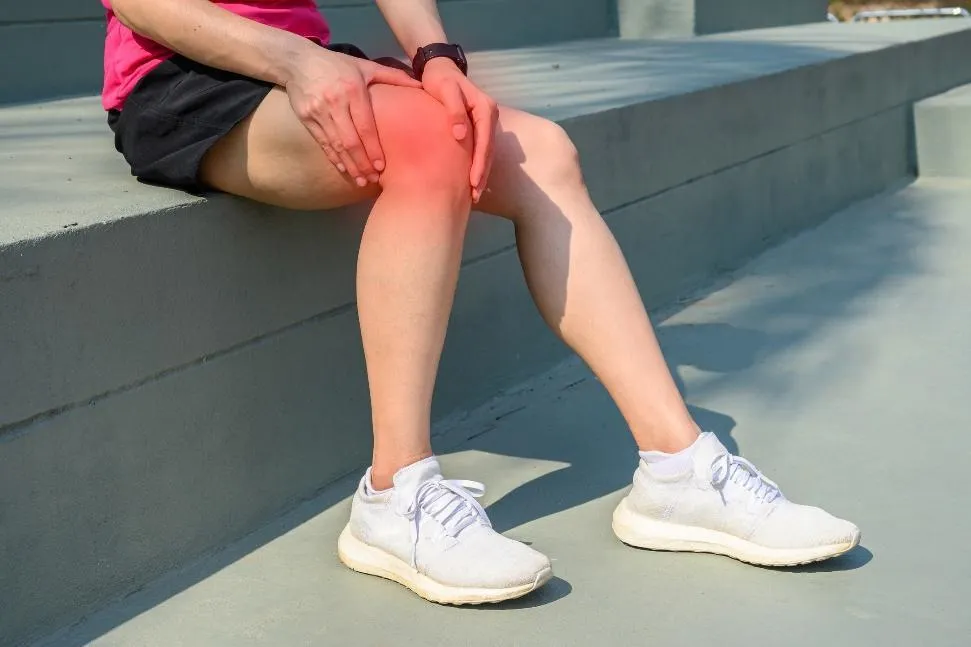
IT Band Syndrome can progress through different stages, and treatment approaches may vary depending on severity. Use the following guide to assess your symptoms.
- Mild: A dull ache on the outside of the knee
- Moderate: Inflammation with consistent or sharp pain during activity
- Severe: Persistent pain even at rest
If you experience moderate to severe symptoms such as persistent pain at rest, ongoing swelling, or difficulty walking, do not rely solely on self-treatment. Seek medical evaluation promptly. Mild cases often improve within two to four weeks, while more severe cases may require several weeks to several months depending on severity and adherence to treatment.
Remember P.O.L.I.C.E. for Immediate First Aid
If you notice pain on the outside of your knee, taking action early is important to prevent the condition from worsening. Injury recovery generally progresses through different phases, including the acute phase, post-inflammatory phase, and return-to-sport phase. During the acute phase, one commonly recommended approach is the P.O.L.I.C.E. principle.
Managing pain and inflammation early plays an important role in the recovery process. Knee braces may help protect the affected area and provide support during activity. Gradually introducing appropriate movement and loading during this phase can also contribute to recovery.
However, if pain is severe or your symptoms do not improve with self-care, consult a healthcare professional as soon as possible.
Three Ways to Prevent Knee Pain from Coming Back
To reduce the risk of recurrence, consider focusing on the following three strategies.
Reduce Your Training Volume
The first thing to review is your training load. If you notice pain occurring at a certain distance or duration, reduce your workload to a pain-free level. If pain persists throughout your run, taking time to rest may be the best option to allow healing.
Strengthen and Stretch
Along with modifying training volume, incorporating hip strengthening exercises and stretches targeting the tissues surrounding the IT band can help reduce recurrence. Limited hip mobility and weakness around the hips can increase stress on the IT band, making regular maintenance especially important.
For effective stretches, see “5 Stretches for IT Band Syndrome | What Causes It and When to Do Them.”
Wear a Knee Brace
In addition to proper warm-ups and stretching, wearing a knee brace may be a useful option. Knee braces can help reduce or prevent discomfort associated with the IT band, particularly during running. Two common brace types include:
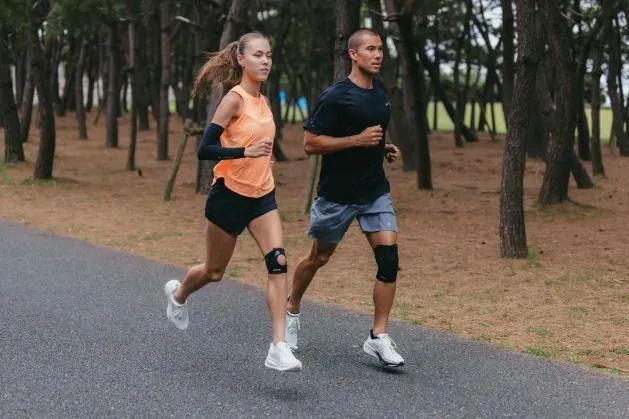
> Braces That Reduce Rotational Stress
Braces designed to limit excessive knee rotation may help reduce unnecessary stress on the joint. They can also help control lateral movement and twisting forces that place load on the outside of the knee, contributing to a more stable stride.
> Braces That Provide Gentle Full-Knee Compression
Many knee braces use compressive materials and fit snugly around the knee. This gentle compression can provide a sense of support and stability during activity, making them a popular option for runners concerned about knee discomfort.
How to Choose a Knee Brace
Not all knee braces are designed the same. The best choice depends on your activity level, support needs, and the area of concern. Consider the following three points when selecting a knee brace.
Choose Based on Activity
The first consideration is how and where you plan to use the brace.
- Daily activities to light exercise: Suitable for walking, household tasks, and general support.
- Light sports: Activities such as golf and hiking may require moderate support.
- Competitive sports: Sports involving sudden direction changes or contact often benefit from higher levels of support.
- Jumping sports: Basketball, volleyball, and handball may require products designed to address stress around the kneecap.
- Running: Because repetitive motion can place stress on specific areas of the knee, choosing a brace that supports your area of concern is important.
Since IT Band Syndrome commonly develops during running, selecting a brace appropriate for running is recommended.
Choose Based on Support Level
The amount of support you need is another important factor. Depending on symptom severity, injury history, and personal preference, you may prefer light support, moderate stabilization, or maximum support for instability. Individuals with IT Band Syndrome often benefit from a brace that helps support the outer and inner portions of the knee during running.
Choose Based on the Area of Concern
Consider which part of the knee feels uncomfortable:
- Outside or inside of the knee
- Around the kneecap
- Above or below the knee
Different brace designs target different areas. If your discomfort is primarily on the outside of the knee, as is common with IT Band Syndrome, a brace designed to help reduce stress in that area may be a good choice.
Based on these criteria, we recommend the Zamst RK-1 Plus for runners experiencing concerns on the outside of the knee.
Recommended Knee Brace from Zamst: RK-1 Plus
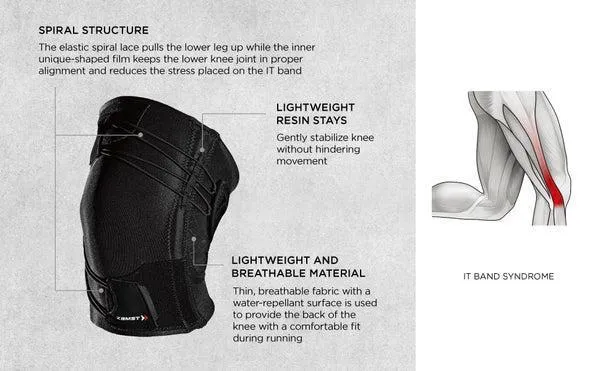
The Zamst RK-1 Plus is a popular option for individuals experiencing knee discomfort.
Three Features That Help Reduce Stress on the Outside of the Knee
The RK-1 Plus combines compression, stabilization, and alignment features that may help reduce stress on the outside of the knee. The brace provides comfortable compression while supporting knee stability during movement. In addition, its elastic spiral lace lifts the lower leg while a uniquely shaped inner film helps maintain proper knee alignment, helping relieve stress on the outside of the knee.
Supports Both the Outside and Inside of the Knee
The RK-1 Plus can be worn in different orientations to address concerns on either the outside or inside of the knee. By adjusting how the brace is worn, users can tailor support to their specific needs.
Comfortable During Running
Thanks to its textured fabric and water-repellent design, the RK-1 Plus is less likely to feel sticky when you sweat. Its moisture-dispersing structure helps maintain comfort during longer runs, allowing you to focus on performance rather than discomfort.
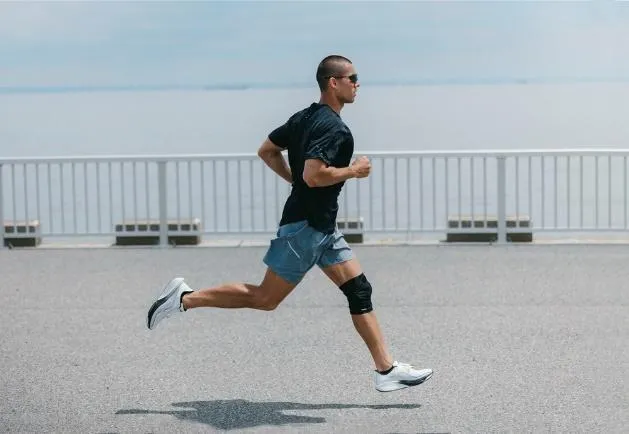
Because it helps reduce stress on the knee during running, it may be a useful option for runners who feel concerned about their knees. Purchase information is available [here].
What Users Are Saying
- “I run recreationally and recently started experiencing a feeling of looseness in my knee. After trying this brace, I felt that my knee was supported much better, and my anxiety when turning corners was reduced.”
- “I decided to purchase this brace because of my runner’s knee. The compression feels just right, and I can run comfortably while wearing it.”
Frequently Asked Questions About Knee Braces
Can a Knee Brace Help Reduce Pain During Long-Distance Running?
Depending on the cause of the pain, a knee brace may help reduce discomfort and make it easier to continue training. However, addressing the root cause, such as improper training habits or muscle weakness, remains essential for long-term improvement.
Knee Sleeve vs. Knee Brace: Which One Do I Need?
A knee sleeve is designed primarily for compression and comfort and is suitable for individuals seeking light support. A knee brace typically provides greater stability and support and may be more appropriate for those with previous injuries or instability.
What Is the Difference Between Kinesiology Tape and a Knee Brace?
Kinesiology tape is commonly used to enhance body awareness and help manage discomfort, but it provides minimal structural support. Knee braces, on the other hand, are specifically designed to provide compression, stability, and movement control. The two tools serve different purposes and may be useful in different situations.
For additional questions about braces, including when to wear them and how to choose the right one, please visit our FAQ page. You can also explore our knee category page for more knee-related information.
Summary: Choose the Right Brace and Keep Enjoying Your Sport
Pain on the outside of the knee may be a sign of Iliotibial Band Syndrome (Runner’s Knee). If symptoms become severe, especially if pain persists even at rest, seek medical attention rather than relying solely on self-care.
To help prevent recurrence, focus on appropriate training loads, regular stretching and strengthening, and consider using a knee brace to help reduce stress on the knee during activity. Finding the right brace for your needs may help you stay active and continue enjoying the sports you love.