
Blog: 4 Recommended Knee Braces for Running|Benefits and How to Choose the Right One
Disclaimer : This article was written by Dr. Evan Jeffries, PT, DPT. This content is provided for general informational purposes only and does not constitute medical advice, diagnosis, or treatment. The information does not guarantee specific results or effectiveness for any particular symptoms or conditions. If you are experiencing persistent symptoms or have concerns about your health, please consult a qualified healthcare professional.
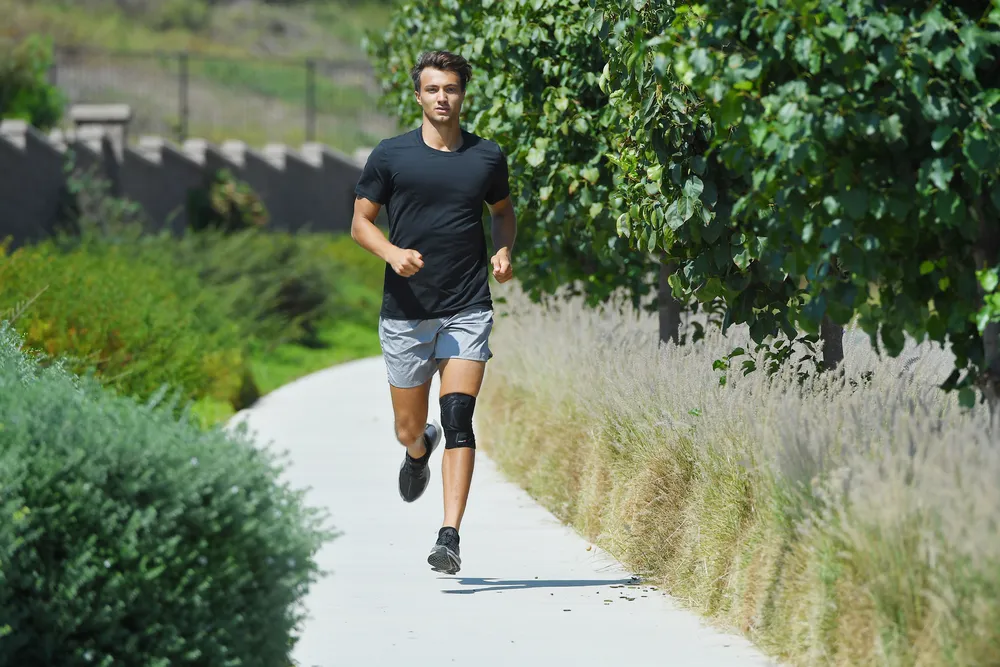
Have you ever looked forward to a weekend run only to feel a twinge of worry about your knee? For many runners, that nagging concern becomes a real barrier to enjoying the miles. Knee issues can disrupt training and motivation alike—this is where a well‑chosen knee brace can help you keep moving with confidence.
In this article, we explain four recommended knee braces for runners, along with the benefits of using a brace and how to choose the right model for your needs. For the sections on symptoms and brace selection, we draw on guidance from our partner, Dr. Evan Jeffries, DPT.
What Causes Knee Problems While Running?
Running is a full‑body aerobic exercise that uses the entire body and is great for your health when done properly. However, it also places significant stress on the knee joints. Continuing to run in a state of overuse—repeatedly loading the knees while already feeling discomfort or fatigue—can lead to various conditions and further knee trouble., which in turn worsens knee problems.
So what exactly causes these issues? Dr. Evan, a Zamst partner, explains the causes and what you can do about them.

If You Feel Discomfort Around the Entire Knee
“If you feel aching throughout your whole knee—especially if you have stiffness in the morning, swelling after running, or grinding sensations—you may be dealing with osteoarthritis.”
In such cases, a knee brace that offers firmer, more comprehensive support can be appropriate.
If You Feel Discomfort on the Inner, Front, or Outer Side of the Knee
Pain localized to the inside (medial), front, or outside (lateral) of the knee often points to issues such as meniscus tears, ligament instability, or overuse syndromes like iliotibial (IT) band syndrome and runner’s knee (patellofemoral pain syndrome), which is common among runners.
If your pain worsens on the outside of the knee as you run longer distances, a brace designed to control rotational stress can help you manage symptoms related to IT band syndrome by improving stability.
Benefits of Wearing a Knee Brace While Running
You might be wondering, “Do braces really make a difference?” In short, when you choose the right type and wear it correctly, a brace can stabilize and protect the joint and reduce the worry that often accompanies running with knee concerns. Here are the main benefits in plain language
1. Improved Stability
A well‑fitted knee brace helps control excessive side‑to‑side and inward movements, which enhances knee joint stability. If you sometimes feel your knee “wobbles” or that each landing is unsettling, added external stabilization can make your stride feel more secure.
2. Reduced Anxiety About Knee Trouble
By supporting specific areas—inner, front, or outer knee—the brace reduces stress on ligaments and cartilage. With less strain, discomfort decreases, helping you feel more at ease while running
3. Gentle Compression
Most knee braces are made from compression materials like neoprene, and fit snugly around the knee, providing a gentle, reassuring pressure. For runners who feel anxious due to knee issues, this compression can serve as a source of comfort.
About the author
EVAN JEFFRIES is a physical therapistwith a Doctorate in Physical Therapy (DPT) from the University of St. Augustinefor Health Sciences. He is the owner of Evolving Motion Physical Therapy, hasextensive knowledge of the musculoskeletal system, and has treated manyorthopedic conditions through a proactive approach to healthcare and lifestyle.
Top 4 Recommended Zamst Knee Braces (By Use Case)
If you want to run with a brace but aren’t sure which model suits you, these Zamst options balance quality, comfort, and function. Choose based on your symptoms and running style.
For Mild Discomfort|EK-1
.webp)
If your knee simply feels heavy after a run or “a bit off,” EK‑1 is a practical entry point. The back‑of‑knee panel uses a smooth, skin‑friendly fabric that stays comfortable even for longer wear. Compression is easy to adjust while keeping overall reinforcement light, making it ideal for first‑time users or anyone who wants to start casually in daily life before taking it on a run.
For Noticeable Knee Concerns|EK-3
.webp)
If your knee bothers you every time you run and you want a notch more stability, choose EK‑3. Like EK‑1, it uses a comfortable back‑of‑knee fabric, but its support level is a step up. It’s a well‑balanced choice for weekend runners through to those who run regularly—especially if you want to keep running despite ongoing concerns.
For firm protection and stronger instability|EK-5

When you feel pronounced instability or want firmer protection, EK‑5 is the top pick in the EK series. Its materials maintain breathability while delivering precise compression, supporting stable performance across sports—from running to leisure activities. If you want to run with peace of mind, this is a strong, confidence‑boosting option.
For issues on the outside of the knee (and rotational stress)|RK-1 Plus
.webp)
If longer distances make the outside of your knee feel unstable, controlling rotational load can help you run more steadily. RK‑1 Plus is structured to limit knee rotation, making it a good match for runners dealing with lateral (and sometimes medial) knee trouble related to IT band stress.
How to Choose a Knee Brace for Running
With so many types, materials, and support levels, it’s understandable to feel unsure. Avoid the “I bought what everyone else did, but it wasn’t right for me” trap by matching the product to your knee status, comfort preferences, and running demands.
1. Choose Based on Your Knee Condition
Broadly, there are light‑support braces and firm‑support braces. If your issue is just mild discomfort or fatigue, a thinner, more mobile brace can be enough. If you crave more stability, choose a firmer model. First, gauge your symptom level, then try on an appropriate category.
2. Choose Based on Comfort and Fit
Running generates sweat. Materials with breathability, a secure fit, and anti‑slip design matter for comfort—and to avoid wanting to take the brace off mid‑run. Check both the fabric and the patterning so long wear stays stress‑free.
3. Choose Based on Running Intensity
For once‑or‑twice‑weekly jogs, a lightweight, easy‑on brace can be sufficient. If you’re logging half or full marathons, look for a brace that maintains stability over long durations. For trail running on uneven terrain, the ability to resist lateral sway becomes especially important. Align your choice with your running style.
Frequently Asked Questions About Knee Braces
Q. Will wearing a knee brace weaken my muscles?
You may have heard that “relying on a brace makes muscles atrophy,” but with appropriate use for everyday running, there’s no need for excessive concern. A brace is assistive, not a replacement for muscle function. Maintaining stretching and strength training alongside use is the best way to protect knee health long‑term.
Q. Can I use a brace on every run?
Yes, using it for every run is generally fine. Just be sure to wash and dry it properly after each use.
Q. Can I wear a brace over tights?
Zamst knee braces are designed to be worn directly on the skin. Wearing them over tights may cause slipping depending on the fabric.
Check each manufacturer’s instructions.
Q. What if the size doesn’t fit?
First, remeasure using the correct method. Fit can vary depending on swelling, especially in the evening.
If it still doesn’t fit, request a size exchange or contact Zamst’s official site or your retailer.
Summary: Enjoy Running with the Right Knee Brace
If you experience knee concerns while running, using a knee brace can make a significant difference.
Start by choosing a model that matches your symptoms and goals.
To keep enjoying your running safely and comfortably for years to come, try a Zamst knee brace.
Many runners are surprised at how much more comfortable running becomes once they use one.


