Stretching Basics You Might Be Afraid to Ask | A Q&A Guide to Understanding Stretching

Today, the word stretching is used so commonly that it has become part of everyday language. But what does stretching actually mean? Stretching was first introduced to Japan in the early 1980s, and over the past 45 years, its importance has continued to gain recognition. In this article, we look back at the history of stretching and review its fundamental principles.
INDEX
The History of Stretching
Muscles and Stretching
Stretching and Blood Circulation
The Benefits of Stretching
Stretching Q&A for Beginners
The History of Stretching
In the United States, the term stretching began to be widely used in the late 1970s. In 1975, Bob Anderson published his book Stretching, which later became a milestone in popularizing stretching practices. In 1981, the book was translated into Japanese under the title Bob Anderson’s Stretching, marking the introduction of modern stretching concepts to Japan. This publication played a major role in spreading stretching nationwide as part of sports warm‑ups and health exercises.
Initially, static stretching was the dominant approach. Over time, however, various methods—including dynamic stretching—became widely known and practiced.
From the 2000s onward, the popularity of yoga and Pilates further increased awareness of the benefits of stretching. Stretching the shoulder blades to relieve stiff shoulders, as well as stretching the gluteal muscles and hamstrings to help alleviate lower back pain, became well known. In addition, stretching has been recognized as a way to improve blood circulation and help relieve modern conditions such as eye strain and headaches caused by prolonged computer use.
Although stretching originally developed as part of sports warm‑up and cool‑down routines, it is now widely recognized as an important method for overall health promotion.
Muscles and Stretching
Stretching literally means “to lengthen muscles.” Its primary purpose is to maintain flexibility in skeletal muscles. By gently pulling and lengthening muscles, a variety of benefits can be achieved.
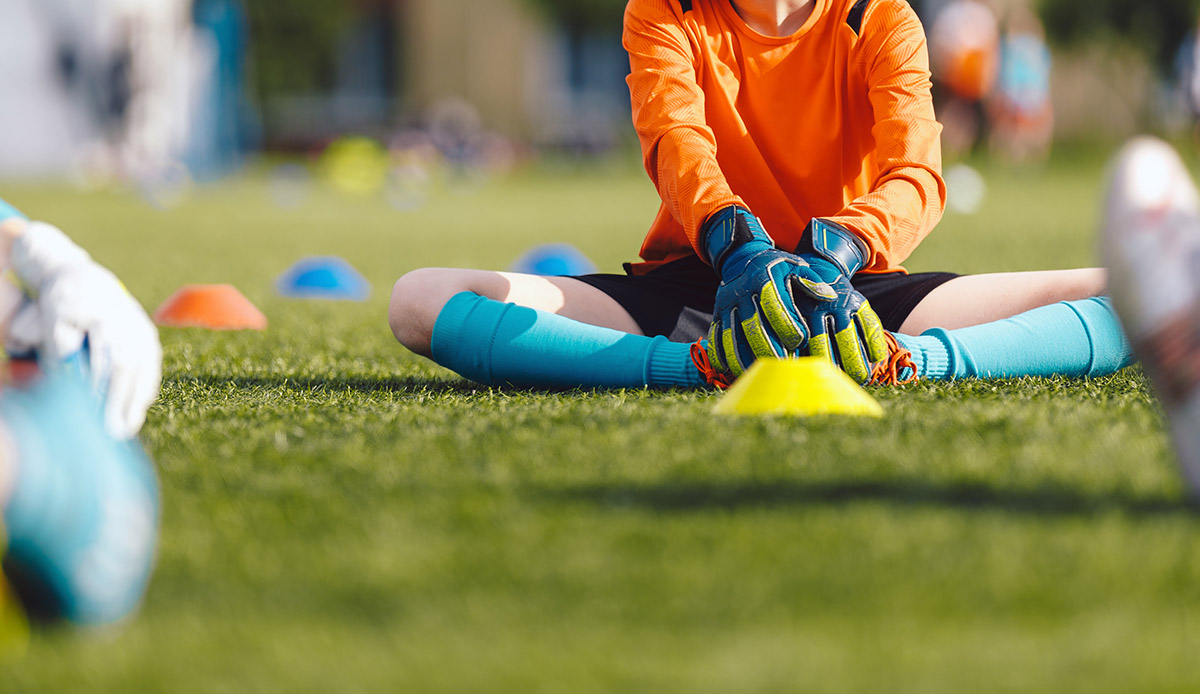
Stretching increases muscle flexibility and expands the range of motion of the joints. This not only helps prevent sports injuries but also allows the body to move more smoothly in everyday activities. However, because the effects of stretching do not last for long periods, regular and continuous practice is necessary.
Muscles naturally tend to shorten when they are not used. Morning stretching helps lengthen muscles that have stiffened during sleep and serves as an effective warm‑up for the day. Stretching after bathing, on the other hand, contributes not only to improved flexibility and recovery from fatigue but also provides mental relaxation. Before exercise, stretching should be performed to enhance performance and prevent injury, while after exercise it helps promote blood circulation and reduce fatigue.
Stretching and Blood Circulation
Muscles tend to shrink more easily with aging and lack of exercise. However, maintaining muscle flexibility allows muscles to act like pumps, promoting blood circulation. For example, the calf muscles are often referred to as the “second heart” because flexible calf muscles help move blood smoothly from the lower extremities back to the heart.
When stretching promotes circulation throughout the body, fatigue‑related substances in the blood are more easily removed, while oxygen and nutrients are delivered more effectively. As a result, overall physical condition improves, pain and discomfort may be reduced, and tissue repair can be accelerated. Improved circulation also stimulates metabolism, contributing to the prevention of lifestyle‑related diseases.
The Benefits of Stretching
One of the greatest advantages of stretching is that anyone can do it easily. For middle‑aged and older adults, stretching is also effective as a form of light exercise for maintaining health. In recent years, stretching has been recognized for its ability to warm the body, and it is believed to help improve sensitivity to cold and enhance immune function.
In this way, stretching is an excellent conditioning method that helps balance the body and promote overall health. We encourage you to incorporate it into your daily routine.
Stretching Q&A for Beginners
Q1. What is the difference between static stretching and dynamic stretching?
There are two main types of stretching: static stretching and dynamic stretching (also known as dynamic or ballistic stretching).
Static stretching: A method in which muscles and tendons are slowly stretched while holding a stationary position.
Dynamic stretching: A method that uses gentle momentum and body movement to stretch muscles and tendons.
The differences between these methods also appear in their effects. Static stretching is effective for increasing muscle elasticity, while dynamic stretching primarily aims to expand joint range of motion.
Q2. How intense should stretching be?
The basic guideline for stretching is to stretch until it feels “comfortably tight.” However, stopping just before feeling pain is also perfectly acceptable. It is important not to force the stretch and to stay within a comfortable range.
By continuing this practice daily, you will gradually notice improvements in both muscle flexibility and joint mobility.
Q3. How long and how many times should muscles be stretched?
For static stretching, use the following durations as general guidelines depending on muscle size:
Large muscles (such as the thighs or back): up to about 30 seconds
Small muscles (such as the neck or wrists): about 10 seconds
Stretching for too long can cause overstretching and increase the risk of muscle injury. Always stay within a pain‑free range and follow the recommended duration.
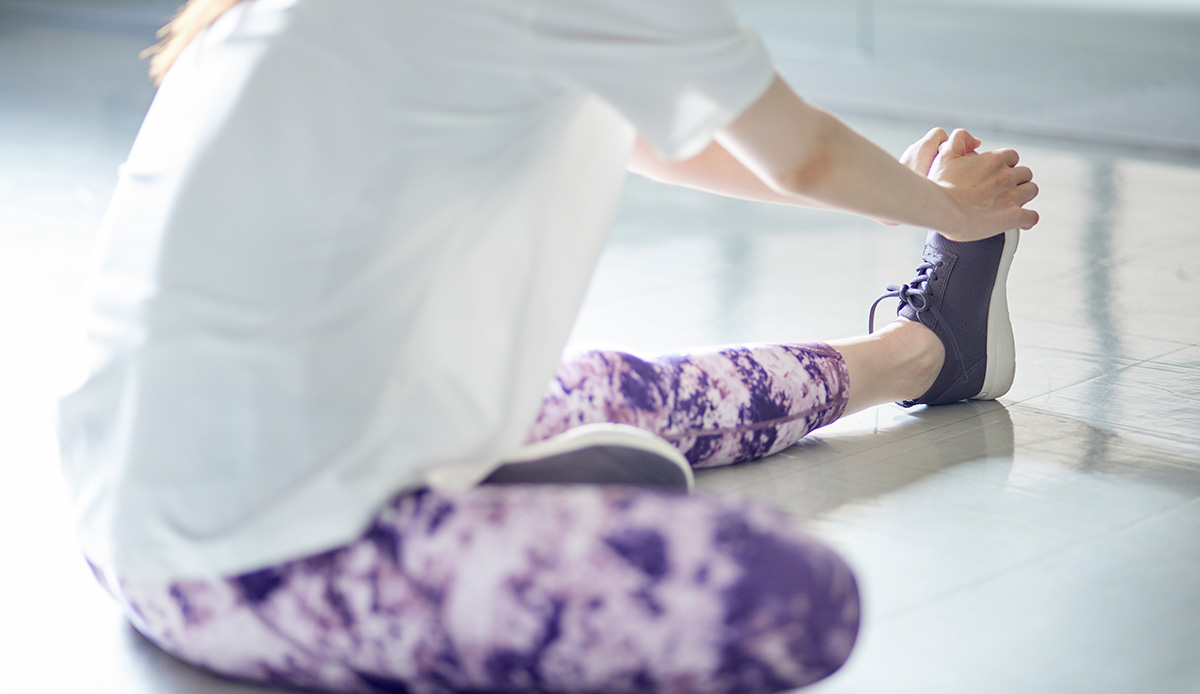
Q4. How should you breathe while stretching?
It is important not to hold your breath while stretching and to remain in a relaxed state. In particular, exhale as you stretch the muscle.
Continuing to breathe promotes parasympathetic nervous system activity, which enhances blood circulation and relaxation. Be mindful of the muscle you are stretching and maintain natural, steady breathing.
Q5. What is the best time of day to stretch?
Stretching can be done at any time, but there are moments when it should be avoided. Do not stretch within 30 minutes after eating, as this may divert blood flow away from digestion and potentially lead to digestive discomfort.
The ideal time to stretch is immediately after bathing. At this time, muscles are warm and relaxed, making it easier and safer to stretch effectively.
Q6. Is it good to stretch in the bath or in a pool?
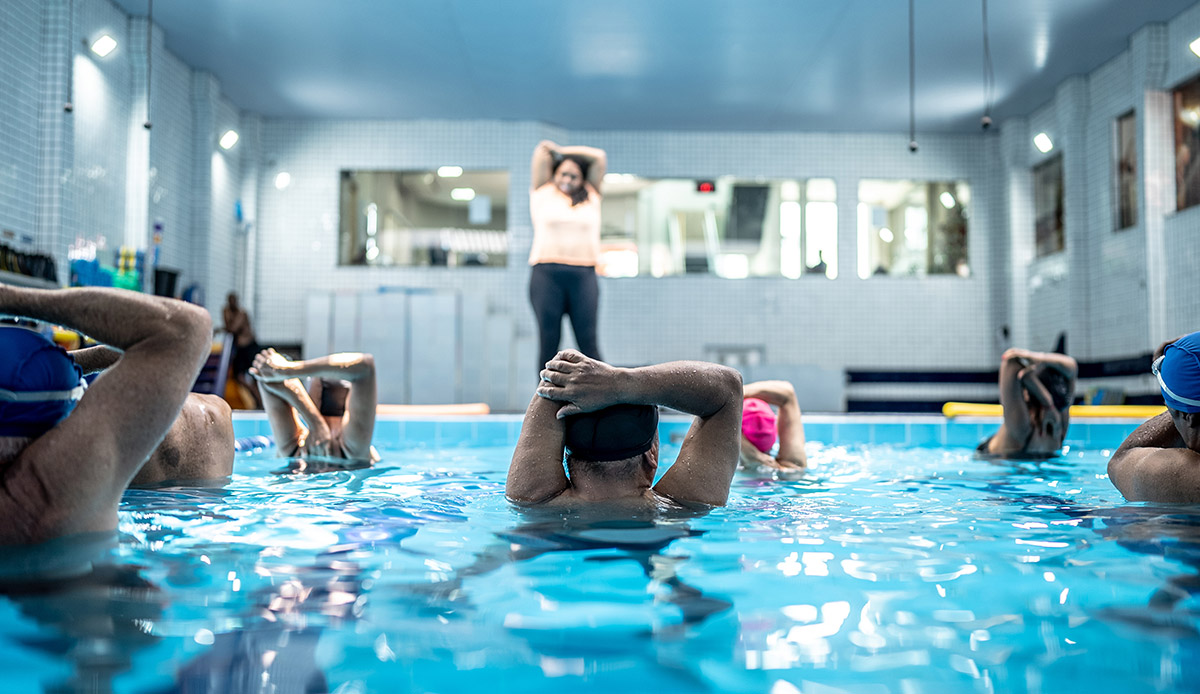
Baths and pools provide excellent environments for stretching. In a bath, muscles warm up and relaxation makes stretching easier and safer. In a pool, buoyancy reduces load on the body, allowing muscles to relax more than on land. Taking advantage of these environments can make stretching even more effective.
Q7. How long does it take to become more flexible?
To significantly improve flexibility, continuous practice for at least three to six months is required. However, even after just a few weeks, many people begin to notice changes in daily life.
For example, golfers often experience improved performance and reduced fatigue as shoulder and hip mobility increases. Many also find that their body feels lighter and easier to move overall.
Q8. Is hydration necessary during stretching?
Hydration is extremely important for maximizing the effects of stretching, especially after bathing when dehydration is more likely. Be sure to drink water.
Muscles contain a large amount of blood. Even if stretching improves circulation, dehydration can make blood thicker and reduce effectiveness. Adequate hydration helps maintain a healthy internal environment.
Q9. How often should stretching be performed?
The flexibility gained from stretching gradually decreases within a few hours. For this reason, stretching every day is ideal whenever possible.
As a general guideline, stretching once a day for about 15 minutes is effective. For those who play sports, stretching before and after exercise also helps prevent injuries and reduce fatigue.
Disclaimer
This article is intended to provide general information on physical conditioning for sports and daily life. The content does not guarantee specific effects for particular symptoms or conditions. If symptoms persist or if you have concerns, please consult a medical professional.
References
SPORTS MEDICINE LIBRARY, ZAMST
The Basics of Stretching: 75 Poses for Shoulder Stiffness, Lower Back Pain, Headaches, Cold Sensitivity, Dieting, and More, Ei Publishing, Kenta Toyama
Article Supervision / Trainer
Kenta Toyama :
Graduated from the College of Education at Washington State University and completed the doctoral program in Sports and Health Science at Juntendo University Graduate School. He is the CEO of Wingate Inc. and holds a PhD in Sports and Health Science.He has worked as a trainer for the Japan National Mogul Ski Team, providing training guidance for elite athletes, while also conducting research on improving children’s physical fitness through programs such as Wingate Kids. He received the Sports Agency Commissioner’s Excellence Award (Corporate Category, Lifestyle Disease Prevention Field) at the 11th “Extending Healthy Life Expectancy” Awards.His publications include Rurubu Kids: Parks in Tokyo That Boost Children’s Athletic Ability (JTB Publishing) and Learn the Basics! Physical Education Encyclopedia (Holp Publishing).