
Blog: Back to School: Choosing the Best Gear for Volleyball to Reduce Injury Risk
Disclaimer : This article was written by Dr. Evan Jeffries, PT, DPT. This content is provided for general informational purposes only and does not constitute medical advice, diagnosis, or treatment. The information does not guarantee specific results or effectiveness for any particular symptoms or conditions. If you are experiencing persistent symptoms or have concerns about your health, please consult a qualified healthcare professional.
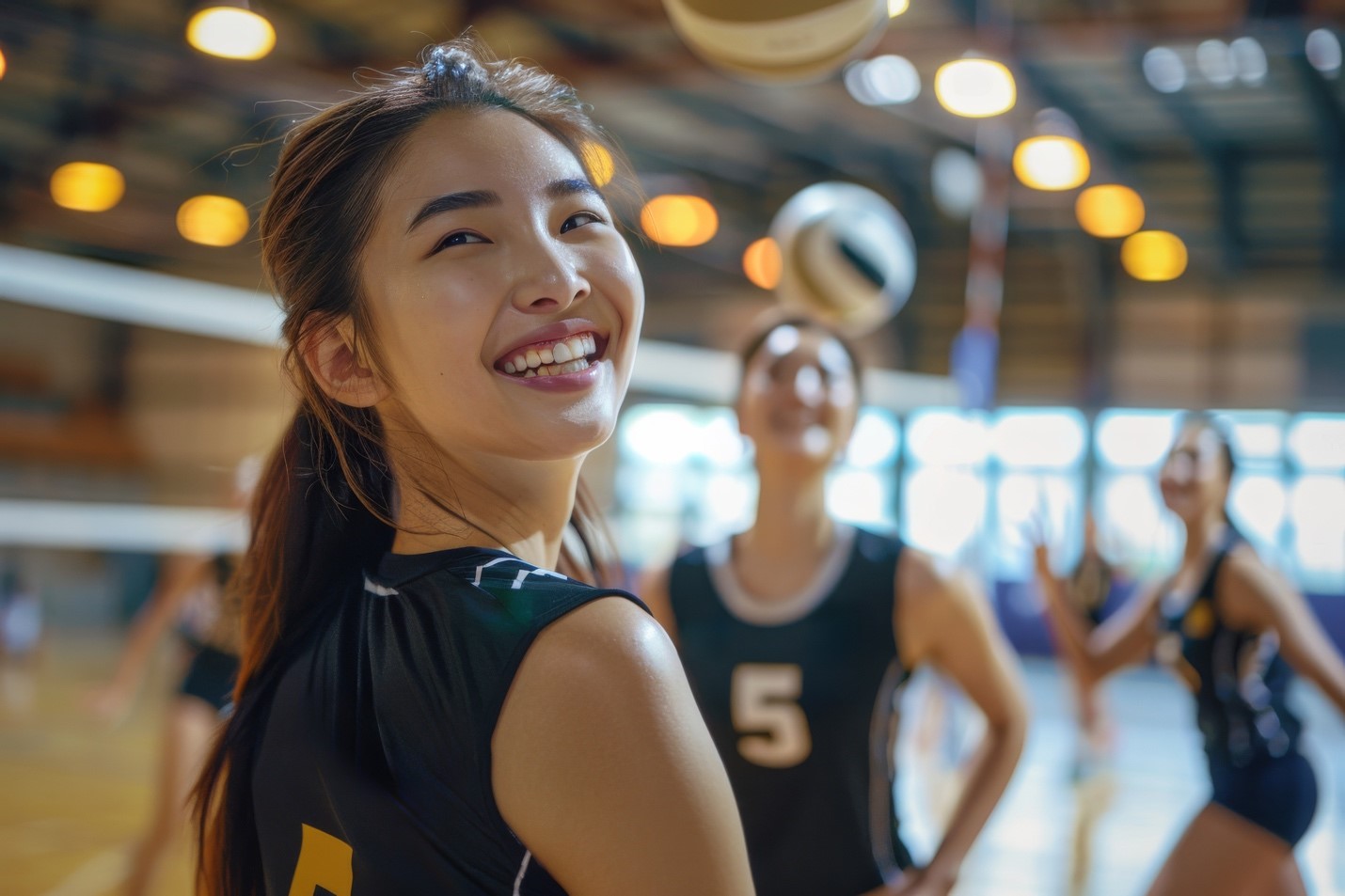
As the back-to-school season approaches, athletes are preparing to get back into sports, and volleyball players are no exception. The return to training and competition brings excitement, but it also presents challenges. One of the key concerns for volleyball athletes, particularly during the transition from summer break to regular practices, is injury prevention—especially knee injuries. The demands of volleyball, with its constant jumping, quick directional changes, and high-impact landings, make the knees particularly vulnerable. Choosing the right gear can play a pivotal role in reducing injury risk and ensuring that players stay healthy throughout the season.
In this blog, we’ll take a closer look at why knee injuries are so common in volleyball and how the right gear, including knee braces and other protective equipment, can help mitigate the risk.
Increased Risk of Knee Injuries Post-Break
Coming back to school and resuming regular volleyball practices after a period of reduced activity can put a strain on the body. The sudden increase in the intensity and frequency of practices can lead to muscle fatigue and stress on the joints, particularly the knees.
Essential Gear for Volleyball Injury Prevention
While conditioning, strength training, and proper warm-up routines are crucial to injury prevention, selecting the right gear also plays a significant role. Here’s a list of the most important volleyball equipment that can help reduce the risk of injury, particularly knee injuries.
1. Knee Pads
Knee pads are one of the most basic and essential pieces of equipment for volleyball players. They provide protection for the knees when diving or sliding across the court, absorbing impact and preventing cuts or bruises.
2. Knee Braces
Knee braces offer additional support to the knee joint and surrounding muscles, helping to prevent excessive movement that could lead to injury. For volleyball players, knee braces can be especially beneficial for those who have a history of knee injuries.
There are different levels of knee brace support, depending on a player’s needs. Here, we’ll focus on two great options from Zamst—an industry leader in athletic braces—designed to provide support for varying degrees of injury prevention:
This brace offers moderate compression and support, making it ideal for players looking to prevent minor knee issues or those recovering from mild sprains. The ZK-Motion is designed for athletes who need a brace that won’t limit their mobility. It’s lightweight, breathable, and provides support for the knee joint without restricting movement, which is key for volleyball players who need full range of motion on the court.
- Zamst ZK-Protect Knee Brace:
For players seeking maximum knee compression and protection, the ZK-Protect is an excellent choice. This brace provides is essentially a knee stabilizer, making it ideal for athletes with a history of more severe knee injuries, or for those looking to prevent injury in high-impact situations. The ZK-Protect’s robust design offers support for the patella and helps protect against lateral and rotational movements that could lead to injury.
Both of these knee braces offer excellent protection, but the choice between them will depend on the player’s personal preference and the level of support they require. The ZK-Motion is better suited for players looking for flexibility and mobility with moderate protection, while the ZK-Protect is a great option for those needing enhanced stability and support.
3. Ankle Braces
Ankle injuries are also common in volleyball due to the sport’s frequent jumping and quick lateral movements. An ankle brace can help reduce the risk of sprains by stabilizing the joint and preventing excessive inversion or eversion (rolling in or out of the ankle).
Learn more about Ankle sprain
4. Compression Sleeves
Compression sleeves for the calves, thighs, and arms can help improve circulation, reduce muscle fatigue, and provide extra support during long matches or practices. These sleeves can be especially useful for players prone to cramping or muscle strains.
5. Proper Footwear
Lastly, wearing the right volleyball shoes is essential for injury prevention. Volleyball shoes are specifically designed to provide the support and cushioning needed for the sport’s unique movements. They offer a combination of grip, shock absorption, and stability to support quick lateral movements and frequent jumping.
Final Thoughts
As volleyball players head back to school and prepare for the upcoming season, focusing on injury prevention is key to maintaining peak performance. By selecting the right protective gear, including knee pads, ankle braces, compression sleeves, and high-quality knee braces like the Zamst ZK-Motion and ZK-Protect, players can minimize the risk of injury and stay on the court.
Incorporating this gear into a comprehensive injury prevention plan, which includes proper conditioning, mobility, and strength training, will help ensure a successful and injury-free season.
EVAN JEFFRIES is a physical therapist with a Doctorate in Physical Therapy (DPT) from the University of St. Augustine for Health Sciences. He is also the owner of Evolving Motion Physical Therapy and has vast knowledge of the musculoskeletal system and has treated many orthopedic conditions by bringing a proactive approach to healthcare and lifestyle. Recently he has also been active on social media as an injury analyst mainly in related to injuries NBA players have sustained. Evan can be followed on his social media accounts.


